Urrbrae House Gardens

AU

About the Gardens

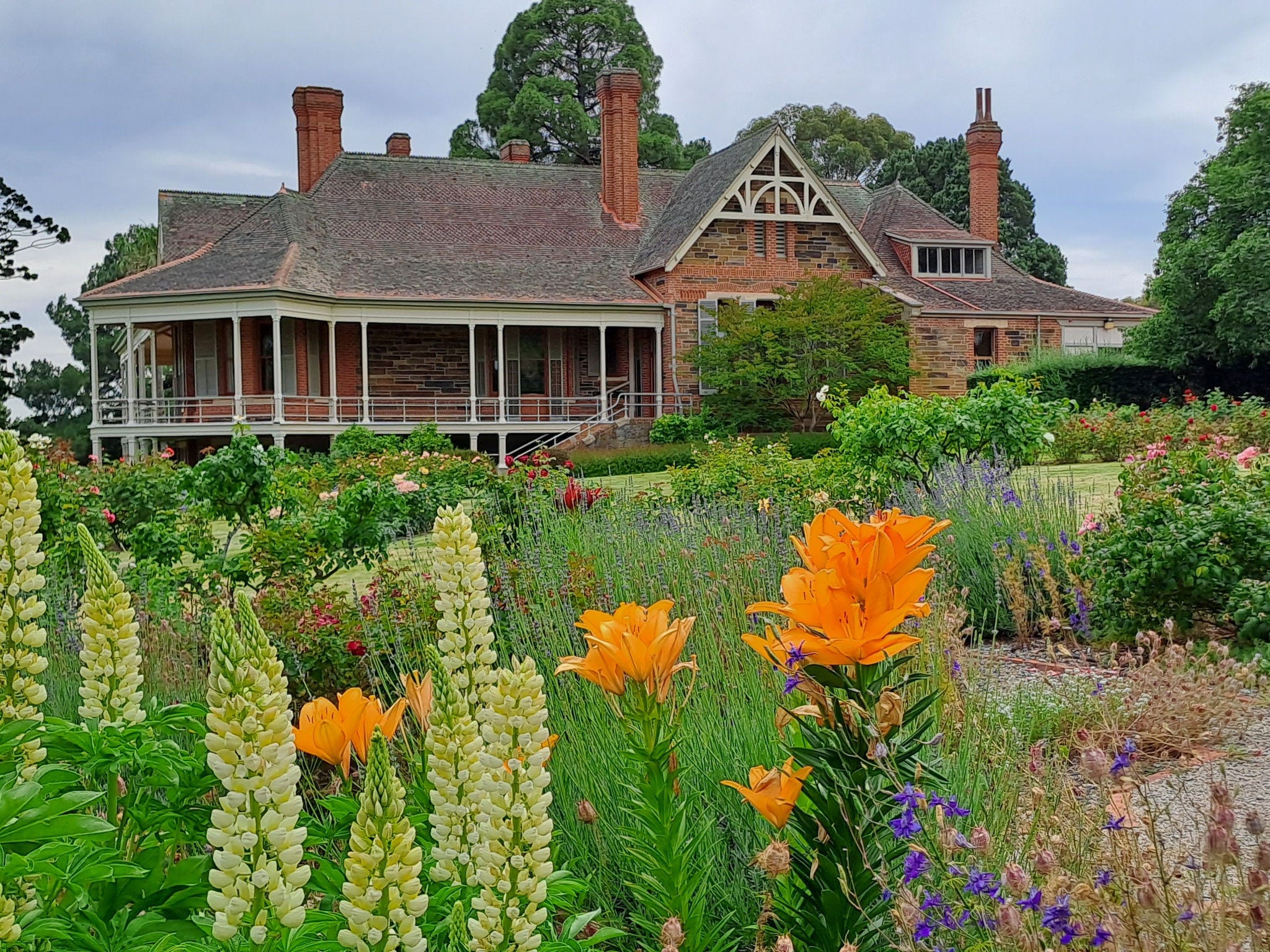
In Peter Waite’s time, the Urrbrae House gardens featured a Croquet Lawn, often used for Adelaide Hunt Club events, a Lavender Walk, a Rose Arbour extending to Claremont Avenue, a Tennis Court and Pavilion, a Wild Garden, Eva’s Garden, and an Orchard of over a hundred trees. Linked by roses, the gardens evolved from a formal Victorian layout into a more romantic design with formal lines that contrasted with the house’s innovative ‘Arts and Crafts’ style. Largely separated from the house by a driveway and hedge, the gardens were likely intended to be viewed from the veranda. 

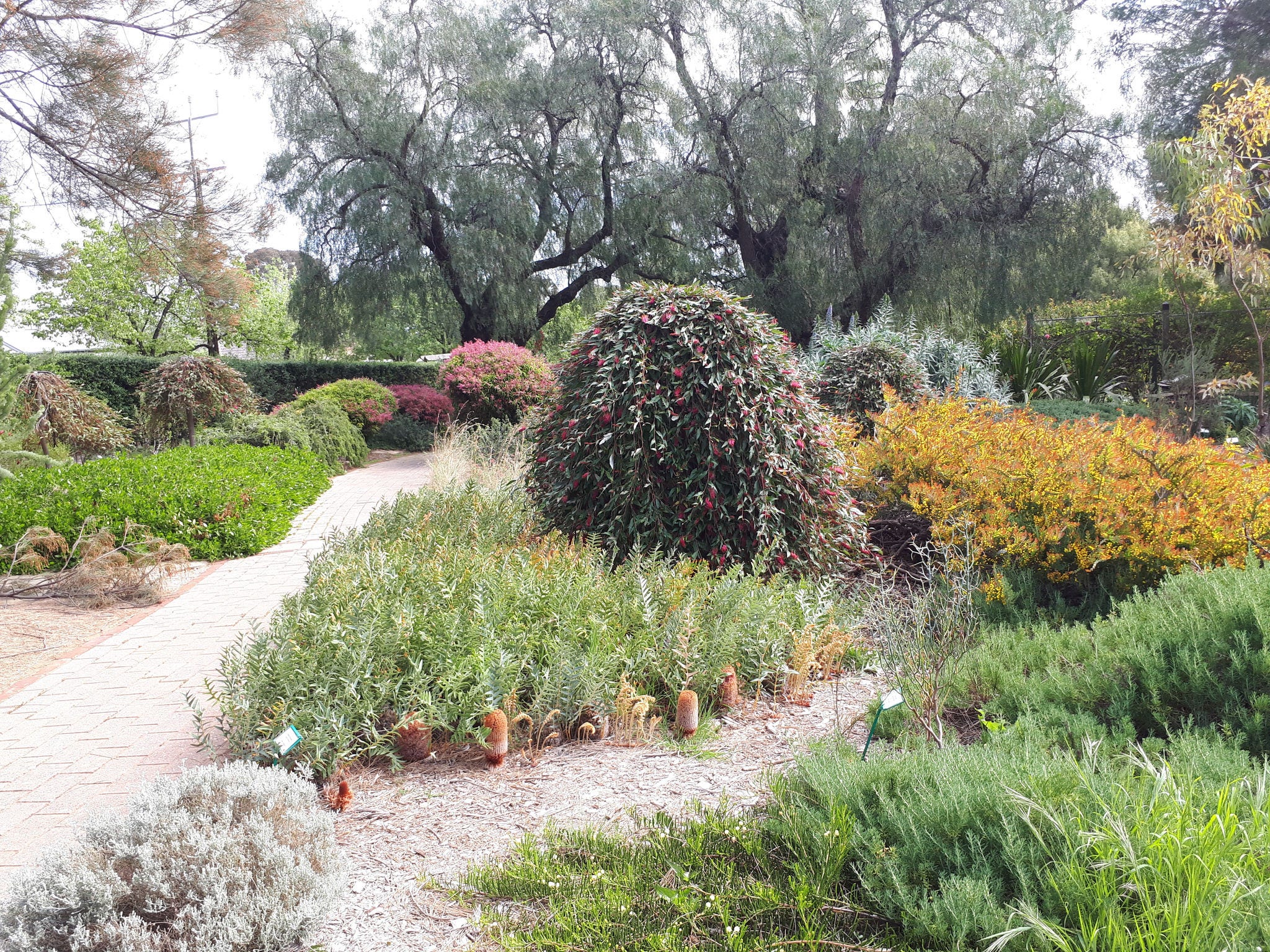
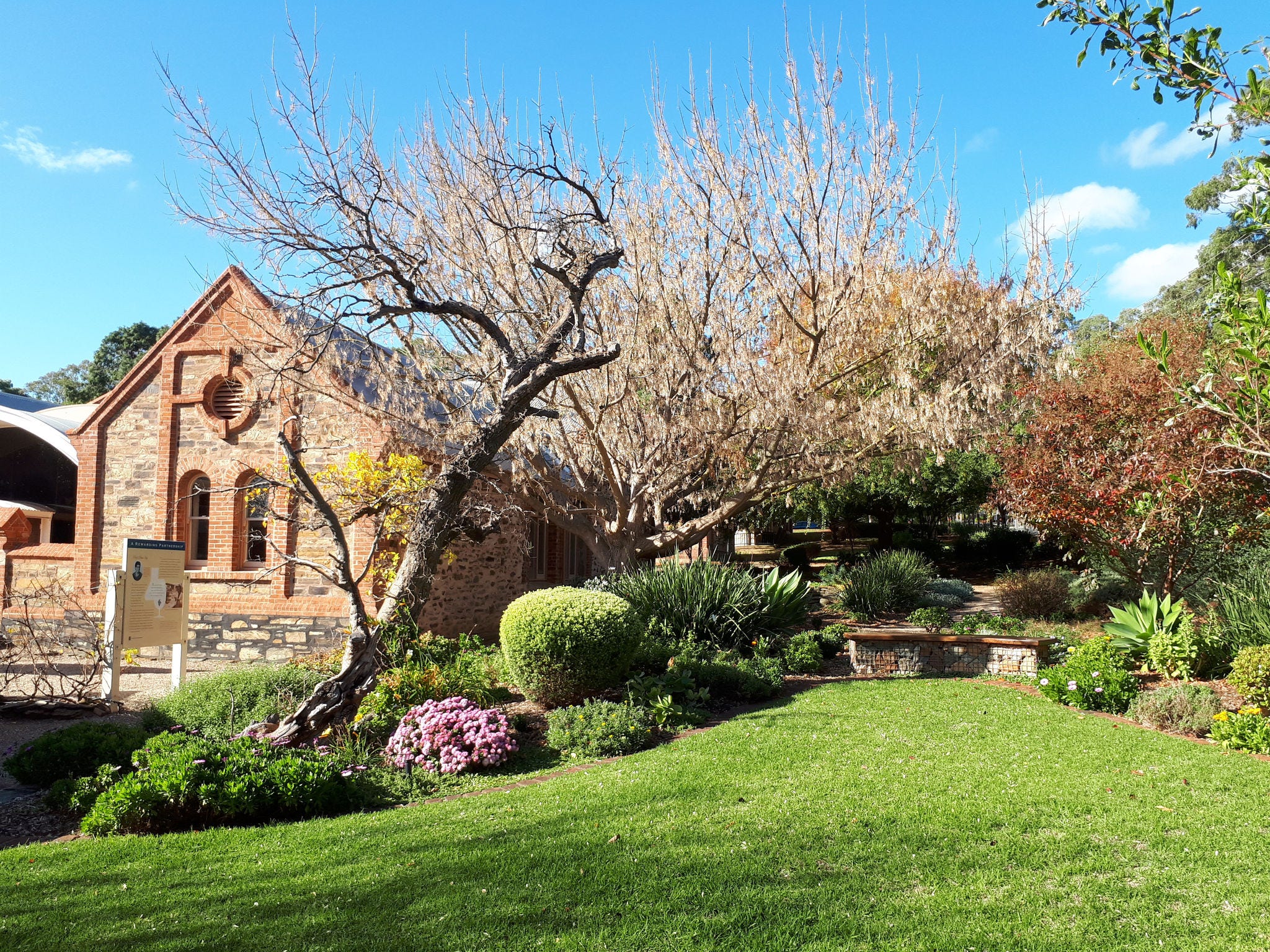
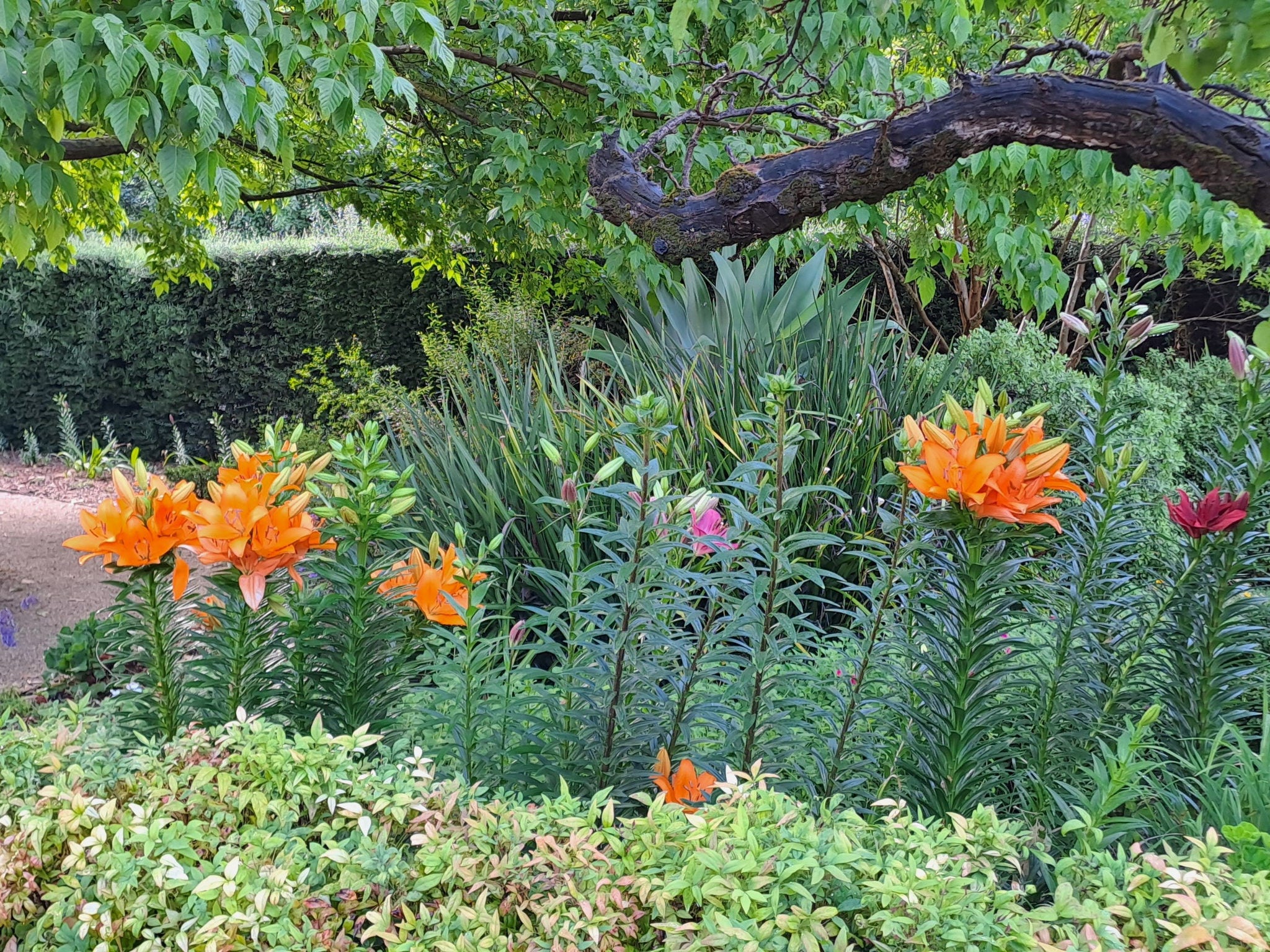
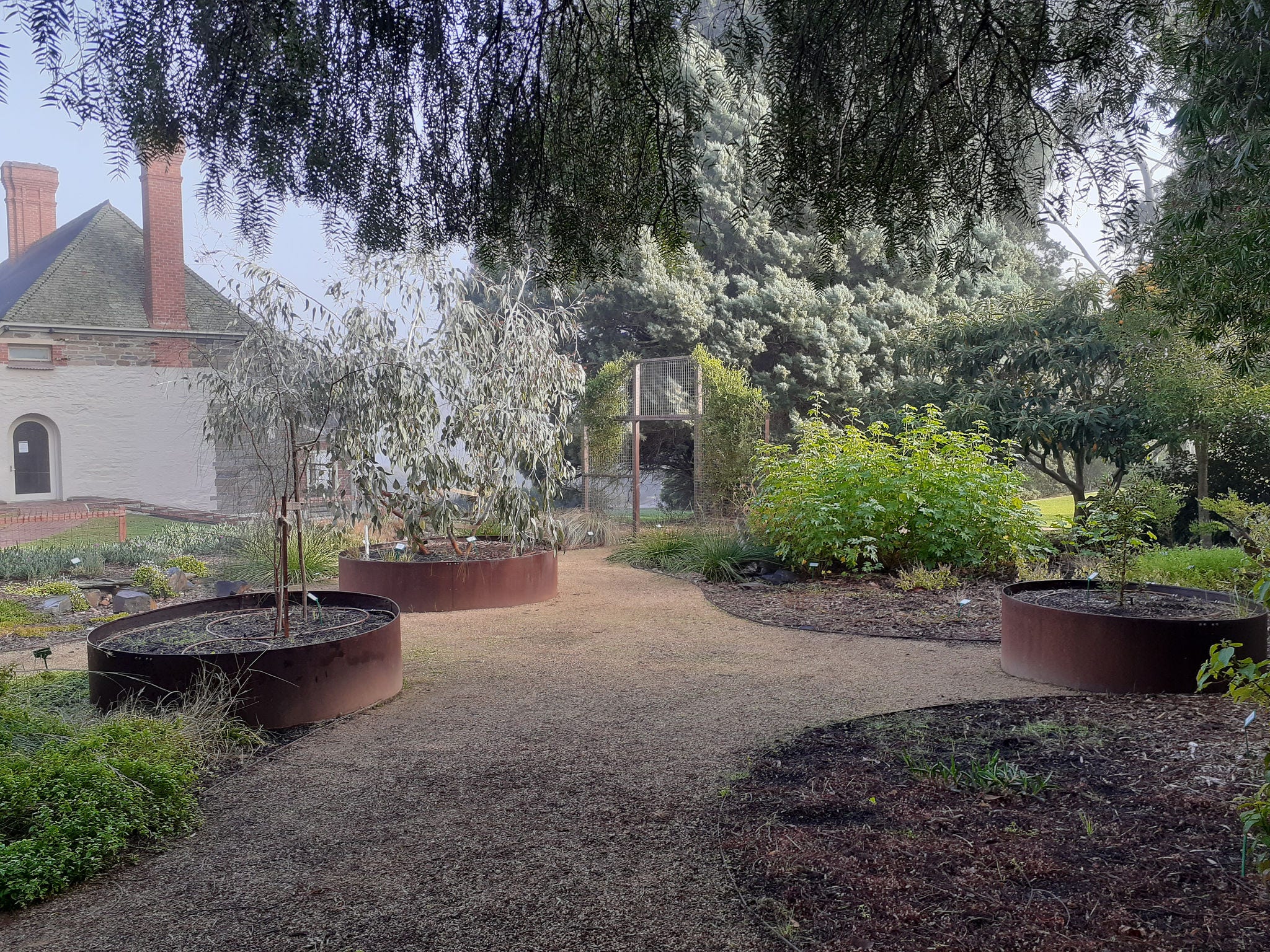
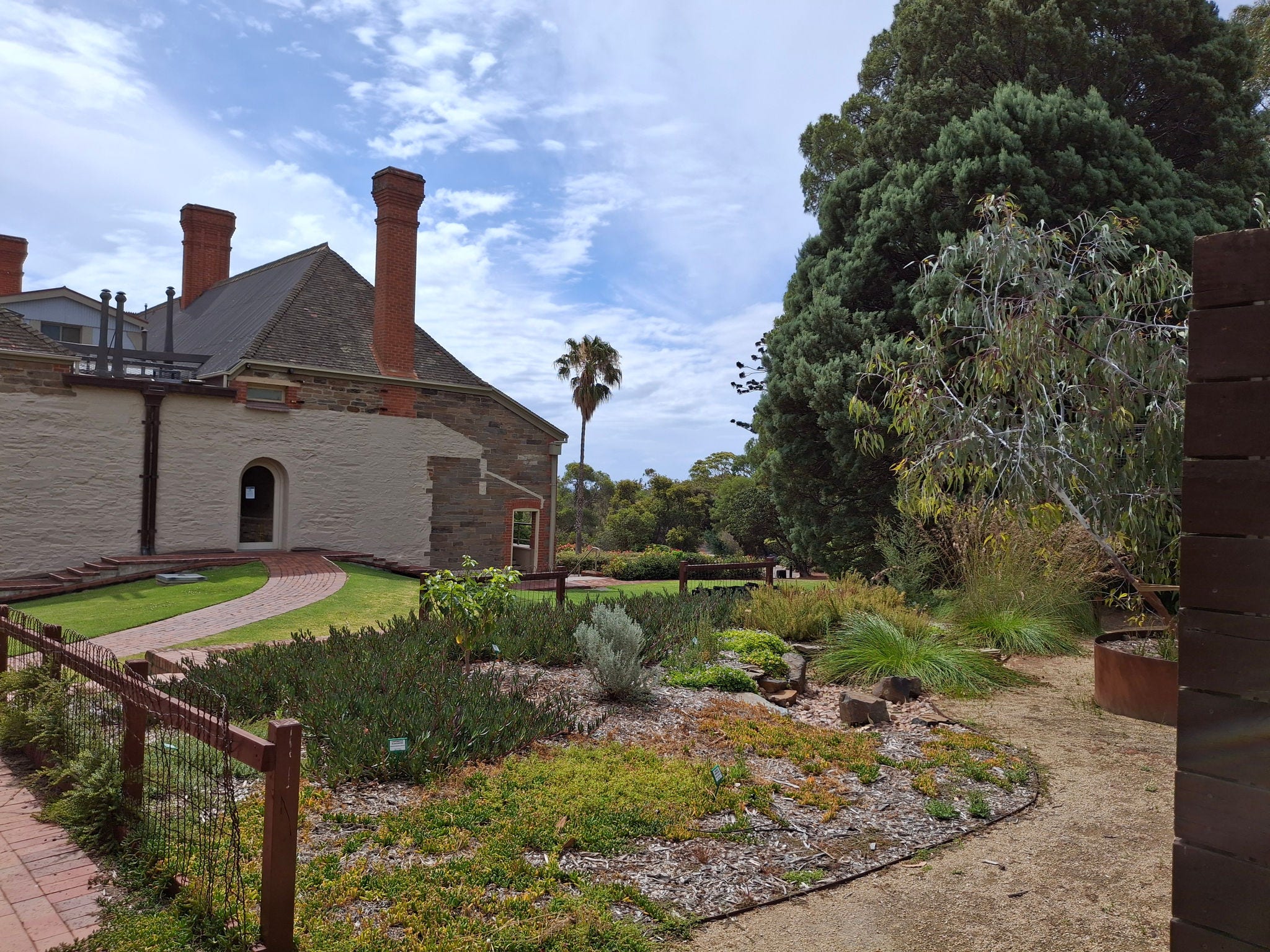
Today the gardens at Urrbrae House are a fusion of past, present and future, representing the legacy of Peter Waite and the scientific achievements of many people over the last 100 years. Redesigned by landscape designer Viesturs Cielens in collaboration with architect Susan Phillips, and artist Berenice Carrington, the interlinked thematic gardens express the essence of the Urrbrae House Historic Precinct and are jointly managed by the Waite Arboretum and Urrbrae House, with continued input from staff, volunteers, and community groups.

Visitor Information & Opening Hours

Open from dawn until dusk every day except on Christmas Day and during Fire Ban Days in the metropolitan and Mount Lofty Ranges fire districts. Urrbrae House carpark is closed. The toilet facilities block in the gardens is closed. Entry is free. 

Photography at the Gardens

Recreational, student and not-for-profit photography of our beautiful gardens is encouraged. Commercial photography requires permission and may incur a fee. Contact Urrbrae House office for more details.


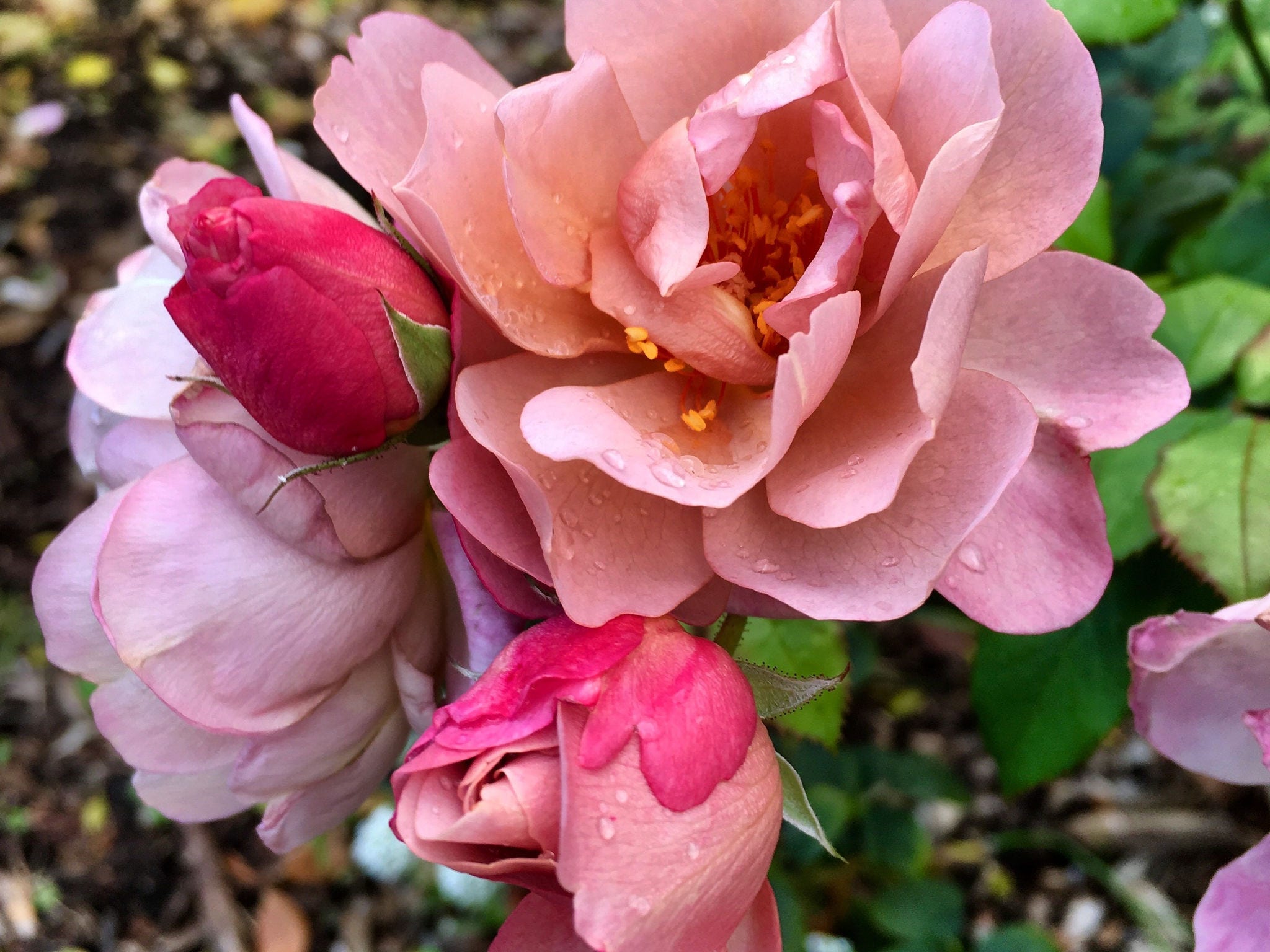
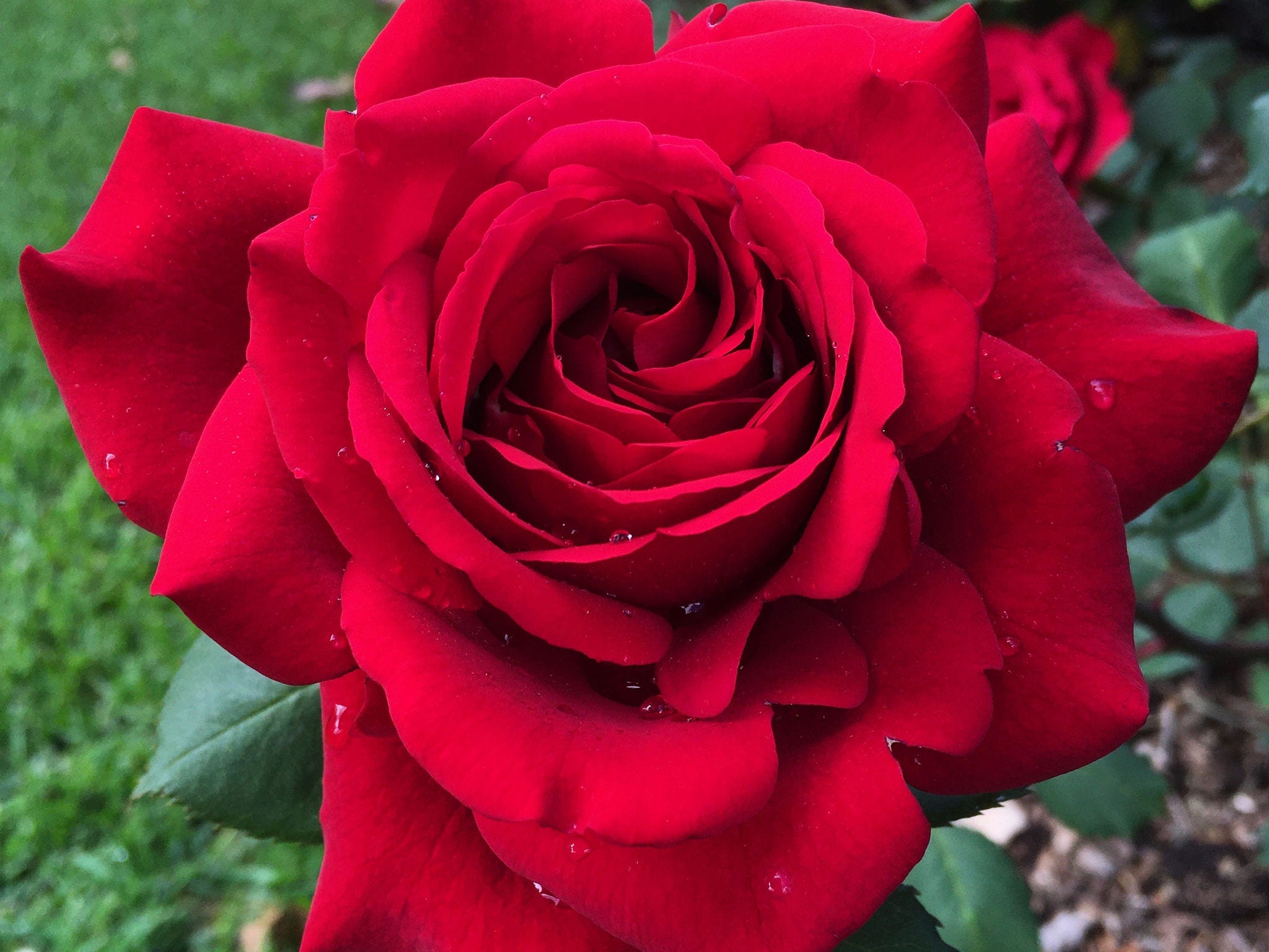
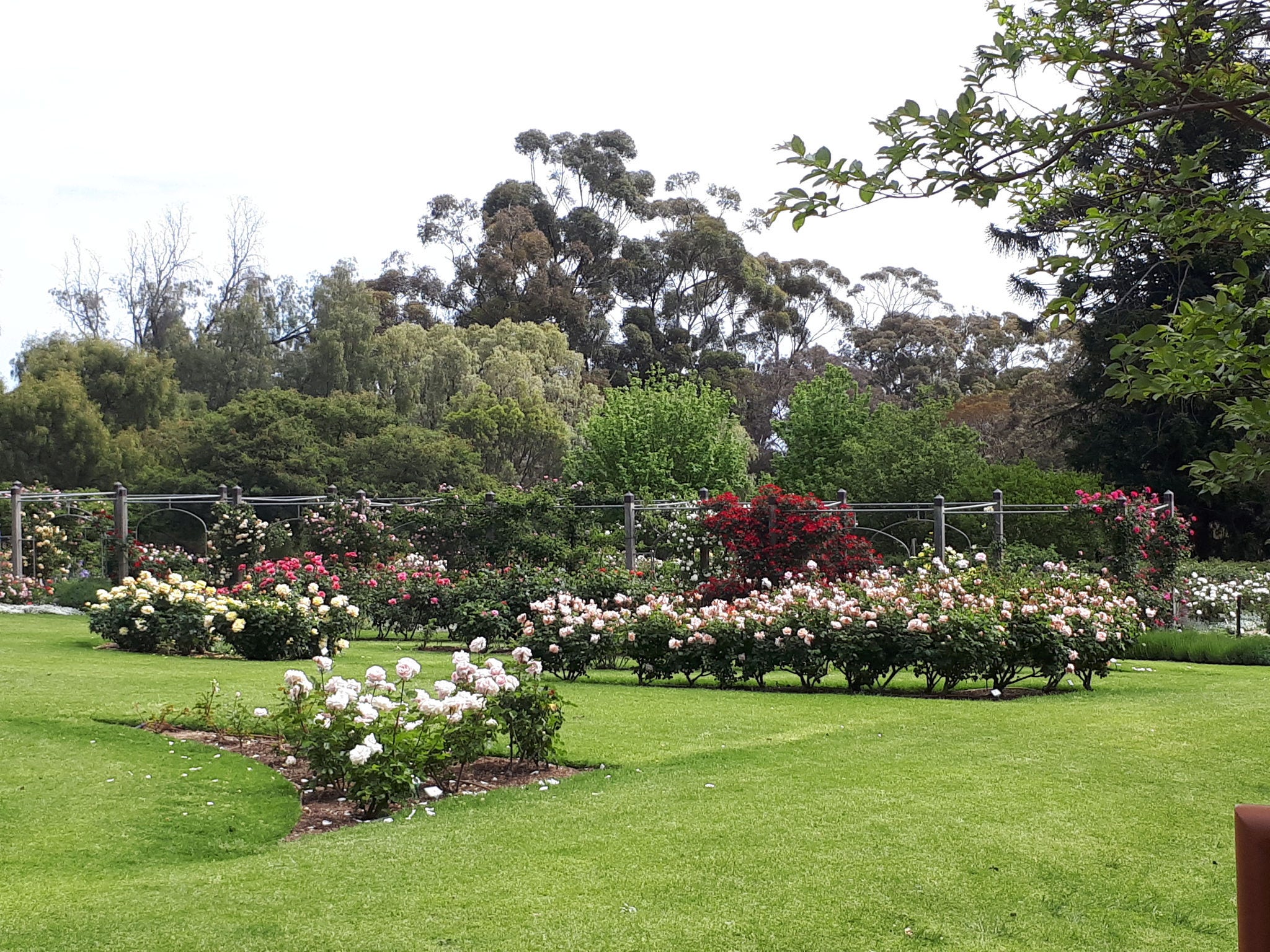
This garden traces the history and evolution of roses from 1900 to the present day. With over 1,500 bushes from 200 cultivars and species, it showcases roses that hold significance to different periods in history, inviting visitors to enjoy their fragrance and beauty.

Whilst not the original designs from Peter Waite’s time, it incorporates many of the original features such as the rose arbour. The southern end features earlier varieties in a formal layout, while the other end features different varieties in a more informal, contemporary design. 

Roses are in full bloom from September until May.

History of the Rose Garden

The original rose garden was established by Peter Waite to the west of the present site. An arbour covered in pale yellow double roses stretched from Urrbrae House to Claremont Avenue. Roses would have also bordered the main lawn in front of Urrbrae House.

By 1956 the rose garden had deteriorated, overgrown with Kikuyu grass and infested with wilt and dieback. In 1959 a new trial rose garden was established by the South Australian Rose Society and Alex Ross to the northeast of Urrbrae House to replace these diseased original ones. Despite cuttings being taken many did not live. Two roses do survive from Peter Waite’s time: Polyantha rose Cécile Brünner hedge (cultivar introduced in Australia in 1911) and Noisette rose Madame Alfred Carriere (introduced in Australia in 1889), both of which are located near the house.

In 1972 the second rose garden had to be removed to make way for a new teaching wing. In 1991 as part of Urrbrae House's centenary plans, a new rose garden was established in its present site to the south of Urrbrae House. Again, the Ross family was involved, this time Alex's son, Deane Ross a famous Australian rose breeder agreed to design this new garden. All the roses for this garden were donated by Ross Roses.

Some of the roses which Deane wanted to include had now become commercially unavailable and had to be sourced from England, America and New Zealand. The C20th Rose Garden has become a historic collection of wide-ranging roses and attempts have been made to represent the most significant of each class; over 200 varieties are represented. The first stage of the garden was opened in 1993. The second stage, the more contemporary design, was developed by Viesturs Cielens in collaboration with Susan Phillips. It features low mounds and three ponds. It was opened in 1996.

Sponsors and volunteers have been, and continue to be, involved in the development and maintenance of the rose garden.

Sponsors include Ross Roses, Heritage Roses Australia -SA, Rose Society of South Australia and Neutrog Australia.

Special thanks to the Urrbrae House Garden Volunteers for their continuing work and support.

RG
RG
RG
RG

Design to awaken the senses, this garden features plants with different colours, textures, aromas and tastes, encouraging visitors to touch, taste and smell them. 

The Sensory Garden is one of a series of thematic gardens in the Urrbrae House Historic Precinct Gardens. Its purpose is to create a special garden that stimulates different senses and is designed to incorporate plants with captivating colours, textures, aromas and tastes. Within this garden are exciting artworks and plantings which provide a tranquil, informative, humorous and stimulating recreational space for everyone, particularly those with disabilities.

Like all gardens, this garden continues to evolve. It is a haven for birds, butterflies and for you! 

A panel of ceramic tiles made by people with a disability reflect the challenges and achievements in their own lives as well as reference being made to Peter Waite as an important immigrant and pastoralist. Artists Bryan Tingey and Andrew Noble worked with residents of the Julia Farr centre to create this artwork.

The Sensory Garden is enclosed by a stately olive hedge, which lined the original driveway to the coachhouse and screened the kitchen garden. The well to the house still remains.

SG
SG
SG
SG

This garden celebrates the achievements of scientist at the Waite Campus. With pathways, soundscapes, outdoor books, and a range of climate-friendly plants, it highlights the internationally significant contributions of South Australian scientists in environment and agricultural science.

God

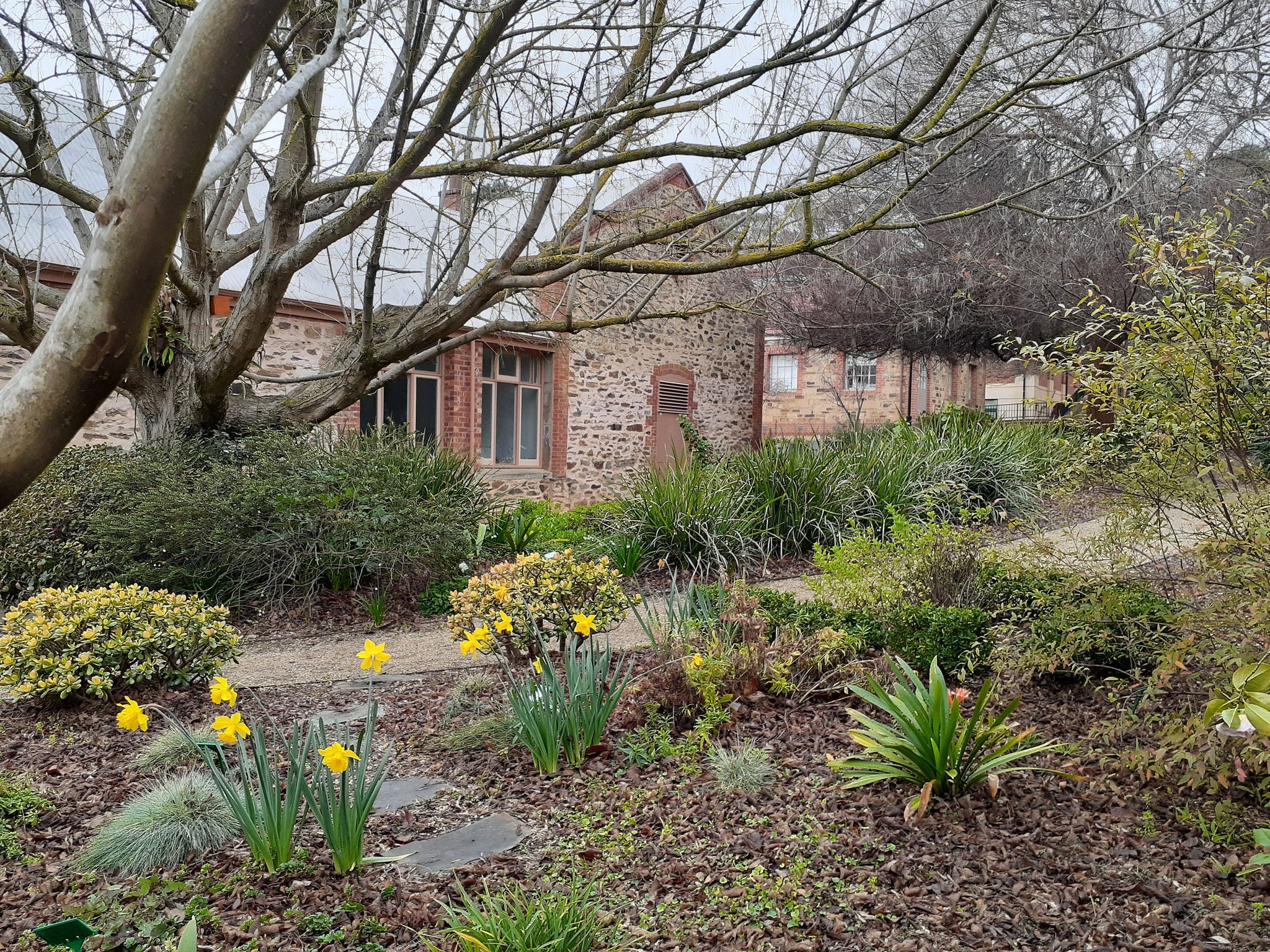
Surrounding Peter Waite’s Coach House, this small, secluded garden showcases ornamental plants popular in 19th-century South Australia, along with a charming collection of species that thrive in shaded areas.

chg
chg
chg

This small garden features a collection of First Nations food plants and provides a welcoming space for the community to gather, learn, and share knowledge and research, while also offering a peaceful spot on the Watie campus to relax and enjoy.

first nations
first nations

Several sculptures in the gardens and arboretum celebrate the life of Peter Waite, a generous benefactor of this remarkable property, while others capture the Australian landscape and the story of the Waite precinct.

‘Towards the Land’ by Greg Johns is a narrative suite of sculptures. One piece portrays Peter Waite, a Scotsman travelling from a European landscape – symbolised by roses and a gothic arch – into the Australian landscape, evoked through burnt yaccas and shimmering heatwaves. At his side is his faithful dog Shrimp, a white Scottish terrier beautifully rendered in bronze by sculptor Silvio Appongi.

‘Waterbirds’ by Meliesa Judge. The sculpture depicts a group of five birds. At its centre, a male bird spreads his wings protectively over a nesting female and their young. ‘Waterbirds’ captures both the strength and fluidity of bronze, with patinas that harmonise beautifully with the surrounding landscape. The artist, Meliesa Judge, was awarded a Churchill Fellowship in 2001 to study in France.

‘The Owl Pole’ by William Kuiper features a Tawny Frogmouth, a nocturnal bird known for its distinctive wide, flat beak. This elusive species is occasionally spotted in the Arboretum, blending perfectly with the tree bark. In this work, the artist invites quiet reflection – favouring contemplation over interpretation – allowing viewers to simply pause and connect with the stillness of nature.

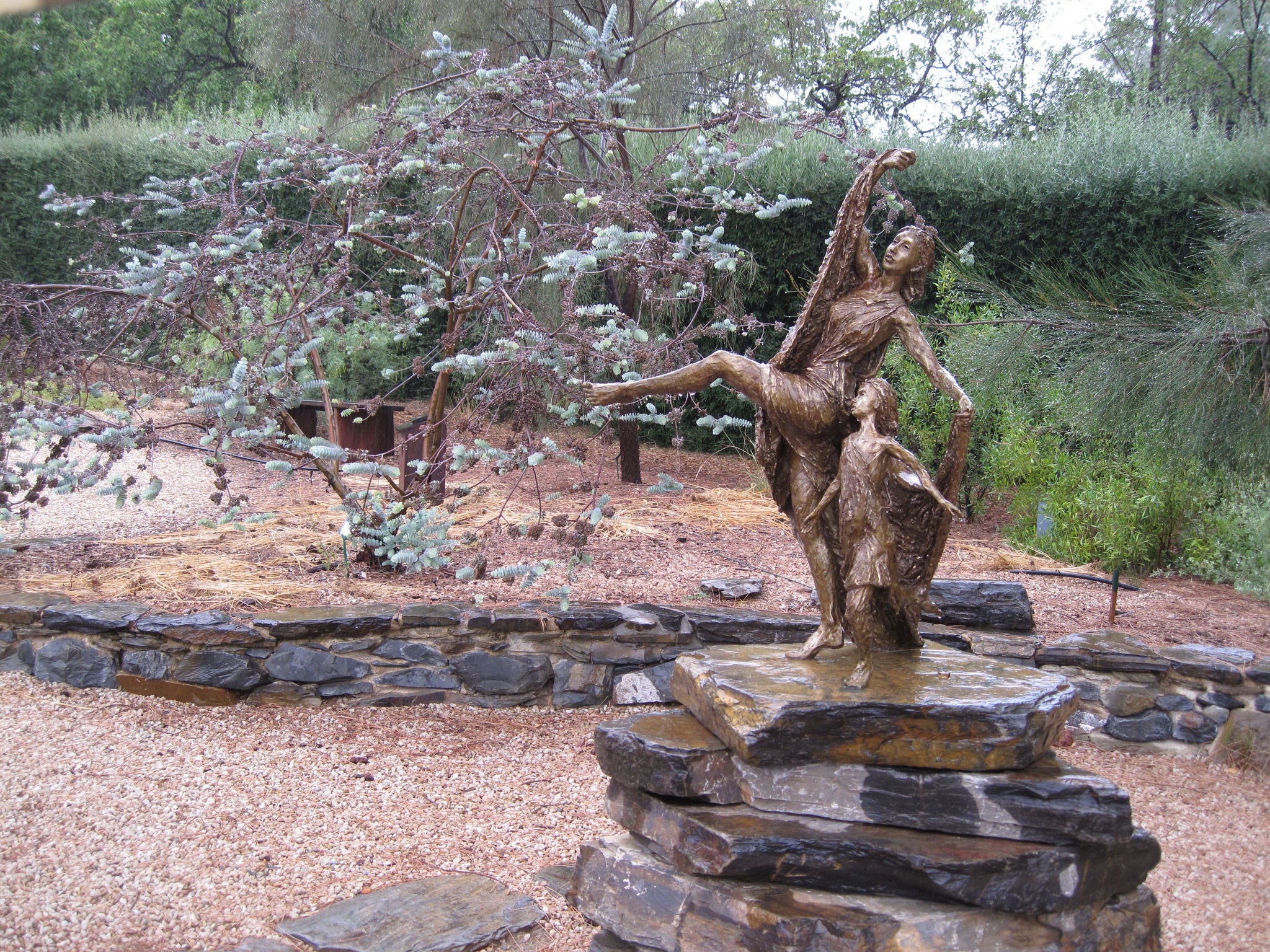
‘Dance into the Light’ by Meliesa Judge is in the Garden of Discovery within the Urrbrae house Gardens. The sculpture depicts the celebratory moment of return as Spring burst forth. Ceres, the goddess of grain and guardian of the land’s fertility, dances with her daughter Proserpina. The child moves with independence, yet is gently sheltered by her mother’s flowing robe, symbolising protection without constraint. The sculpture is mounted on large slabs of Kanmantoo bluestone, the local stone blending with the designed walls and pathways of the gardens. Find more information on ‘Dance into the Light’ from the artist.

Spread across 25 hectares, the Waite Arboretum is a peaceful haven of majestic trees, reflective sculptures, and Australian wildlife. Established in 1928, it is home to over 2,300 labelled tree specimens, all thriving under natural rainfall.

Highlights include a heritage-listed avenue of 68 Dutch Elms, a meandering watercourse, and sculptures thoughtfully placed to complement the landscape, making every turn a visually stunning experience.

sculptures

Other works of special interest 

Some of the artistic works found within the Urrbrae House Gardens and Waite Arboretum include: 

  • 'Towards the Land' by Greg Johns – a suite of 6 sculptural narratives; Corten Steel and Bronze 
  • 'Professor James Davidson' by John Dowie; Bronze
  • 'Floating Figure' by Greg Johns; Corten Steel
  • 'Waterbirds' by Meliesa Judge; Bronze
  • 'Owl Pole' by Will Kuiper; Bronze
  • 'Shield' by Greg Johns; Corten Steel
  • 'Dance into the Light' by Meliesa Judge; Bronze
  • 'Green Man' by Gillian Robertson; Ceramic
  • 'Action and Optimism' by Bryan Tingey, Andrew Noble and participants from the Julia Farr Centre; Ceramic
  • 'Armillary Sphere Sundial' by Margaret Folkard and John Ward; Bronze.

Contact us

Waite Historic Precinct

Telephone

(08) 8313 7497

Email

urrbraehouse@adelaide.edu.au