Flora and Fauna

AU

Flora

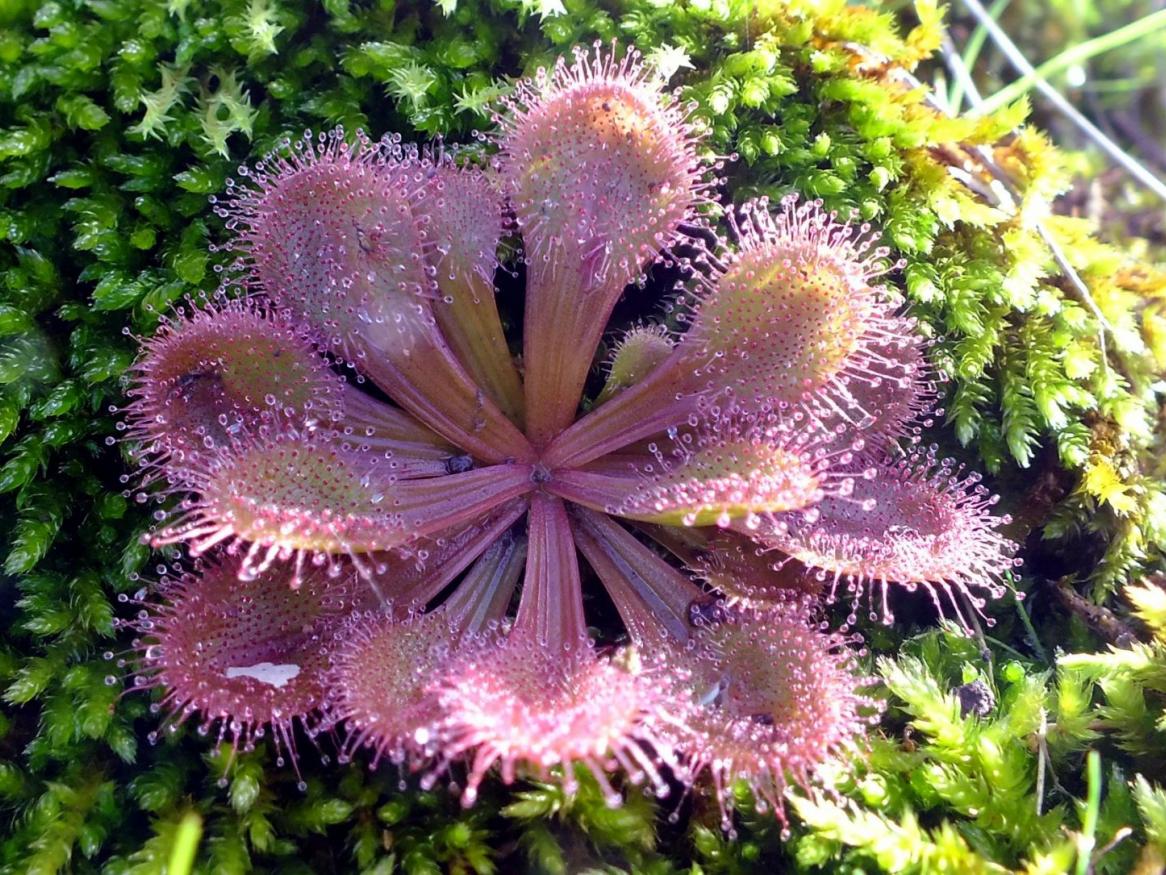
The dominant plant species over much of the Reserve is the Grey box Eucalyptus microcarpa, and this determines the vegetation type of the Reserve – 'Grey Box Grassy Woodland'.

Woodland vegetation is characterised by the dominant trees having large canopies relative to their height, and trees being spaced apart such that their canopies do not overlap one another. The 'Box' eucalypts are a distinct group which have a characteristic bark type of short, interlaced fibrous strands which extend up the trunk as far as the major branches. In favourable conditions the Grey Box may reach 25m in height.

More than 550 species of plants have been recorded in Waite Conservation Reserve. Download a complete plant list prepared by Dr Peter Lang, Senior Botanist, State Herbarium of SA, Botanic Gardens and State Herbarium, Department for Environment and Water.

Six species in Waite Conservation Reserve have conservation status in Southern Lofty.
Fauna

Biological survey

In November 2008, a nine-day intensive survey of mammals, reptiles and birds was conducted in the Reserve.

The survey was designed to sample each of the 14 vegetation communities. The combined labours of 44 Friends and others resulted in 2,800 trap/nights and 170 hours of targeted searches. View the results of the 2008 Biological Survey.

Further surveys on birds, mammals, reptiles, frogs and insects can be viewed on the Friends of the Waite Conservation Reserve website.

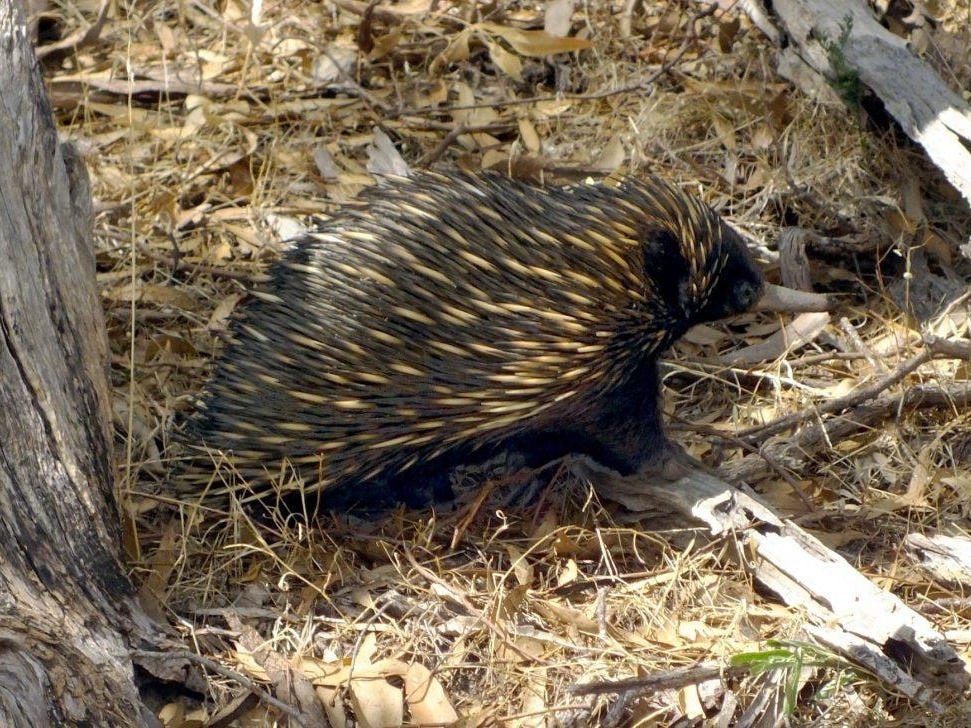
Mammals

The Yellow-footed Marsupial Mouse – Antechinus flavipes

This small, nocturnal, carnivorous animal makes its home in tree hollows and piles of dead wood. It has brown, somewhat bristly fur and a pointed face, which contains the characteristic carnivore’s set of sharp teeth, which it uses to capture and eat insects and other small animals.

Mating occurs in winter, and the tiny young are born after about 30 days gestation. 10 to 12 babies attach to the teats of the mother until the time they are able to fend for themselves. Following mating, which is prolonged and a somewhat violent affair, all the males then die before the end of the year. This is thought to be due to complex hormonal and behavioural changes which occur during the breeding season. Although these creatures are essentially nocturnal, there are reports of sightings of Antechinus foraging during the day and being unafraid of the human observers.

Download the Mammal checklist.

Birds

63 species of birds have been recorded in the Waite Conservation Reserve. Download the Birds checklist.

Are you a keen birdwatcher? You can participate in our Bird monitoring project.

Download the survey form and map of survey sites.

Insects

Download the Butterflies checklist.

Reptiles and frogs

Download the Herpetology checklist.

Contact us

Waite Historic Precinct

Telephone

(08) 8313 7497

Email

urrbraehouse@adelaide.edu.au