Transforming complex human environments through multidisciplinary design
The Studio for Complex Human Environment Design (SCHED) is a multidisciplinary design studio that develops processes, methods and knowledge for designing complex human environments.
Our research applies Human Centred Design (HCD) to understand how people live and work in highly technical, high‑risk and complex settings. These include isolated and confined environments, as well as spaces that support high‑stakes activities such as submarines, ships, spacecraft, medical facilities and Antarctic buildings. The aim is to improve usability, safety and overall human experience.
We transform spaces through a combination of HCD expertise, computer‑aided design modelling, virtual reality simulation, human experience studies, anthropometry and physical model‑making. Working alongside other university research groups specialising in biomechanics, psychology and interactive and virtual environments, we develop integrated design solutions that address technical, physiological and psychological requirements.
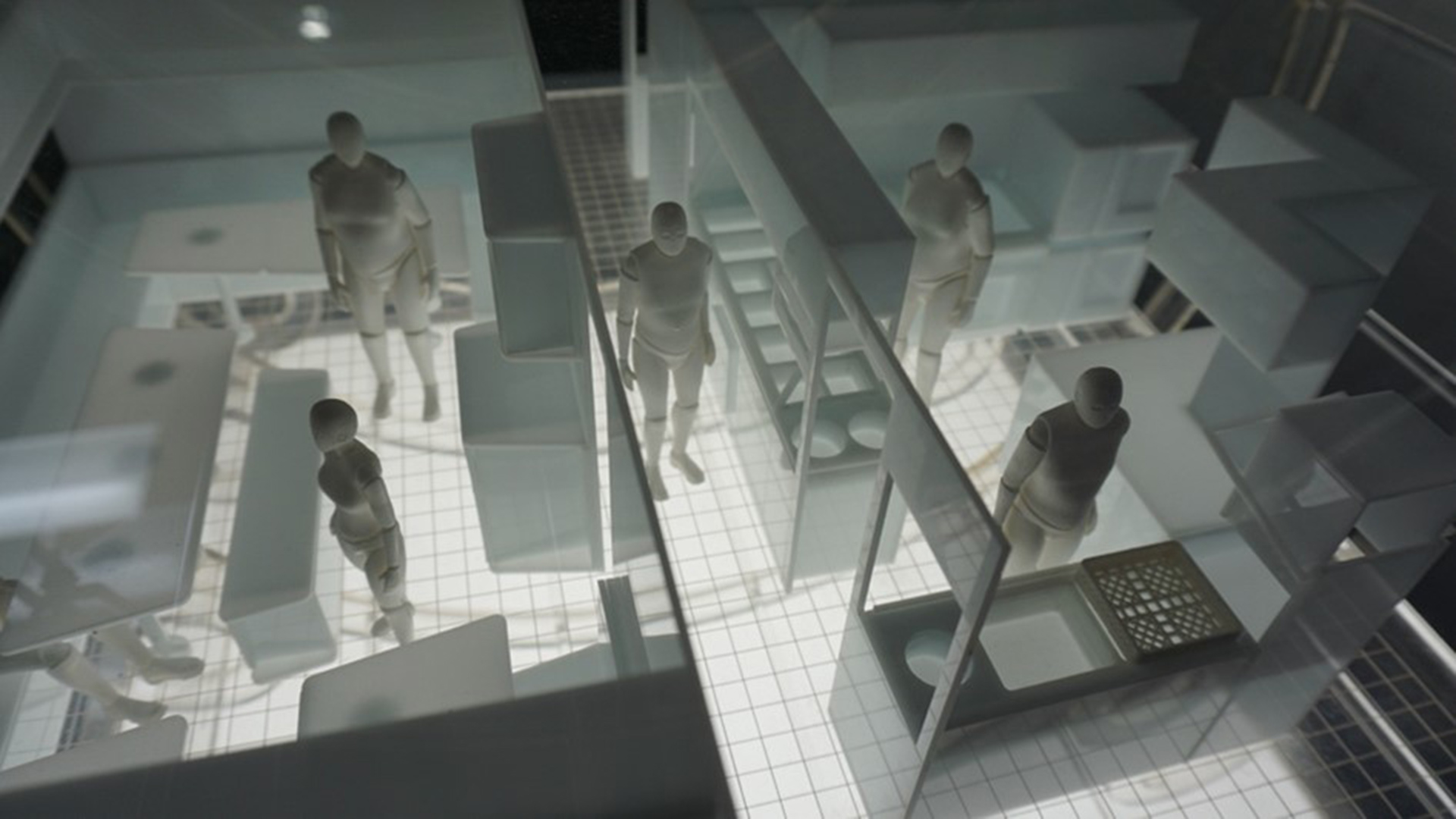
People are central to every stage of our process. We use a range of engagement methods to understand user activities, needs and contexts, ensuring design proposals are practical, effective and fit for purpose. Physical prototyping plays a key role, with functional models developed at different scales and levels of detail to support testing, collaboration and communication.
Our work results in grounded, user‑focused design proposals expressed through physical prototypes, virtual reality, fly‑throughs and functional artefacts, supported by documented research and user engagement outcomes.
SCHED has worked closely with defence partners including DST, ASC, Lockheed Martin Australia, Naval Group Australia, Saab Australia and the Royal Australian Navy, and contributed to the design of clinical spaces for South Australia’s new Women’s and Children’s Hospital.