The Richter Lab

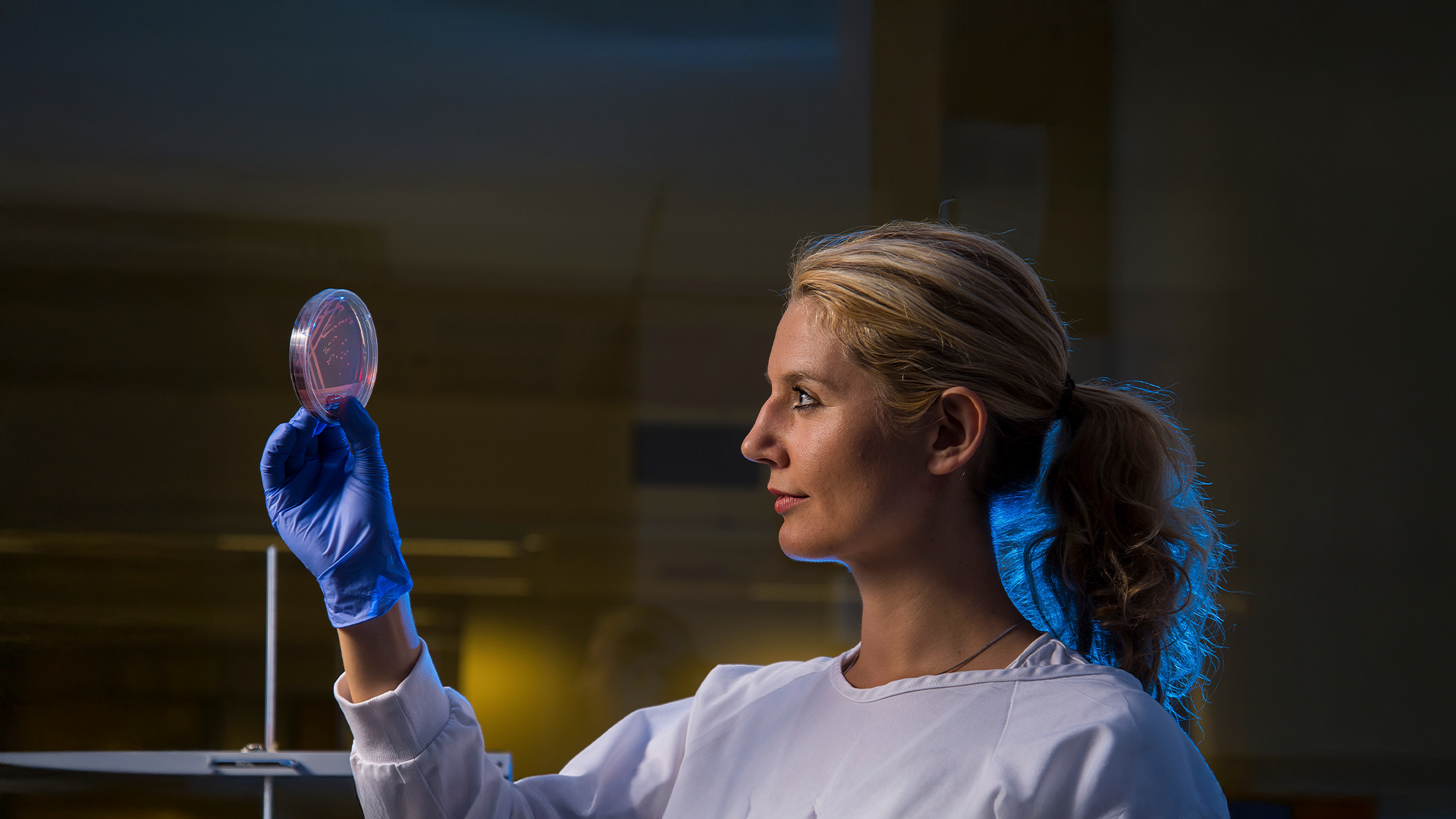
Person in lab

Innovative antibiotic-free strategies targeting superbugs and infection control

The rise of antibiotic-resistant bacteria, so-called ‘superbugs’, is one of the greatest threats to human health. If we fail to rapidly create new ways to fight superbugs, 10 million people are projected to die every year by 2050.

bacteria

Bacteria live in biofilms, which are clusters enveloped in a protective slime where bacteria find refuge. Biofilms hamper the efficacy of therapies by preventing antibiotics from reaching pathogens, allowing bacteria to mutate and establish resistance - thus becoming superbugs. There is an urgent need to revolutionise infection control as the best medical care with antibiotics fails to work.

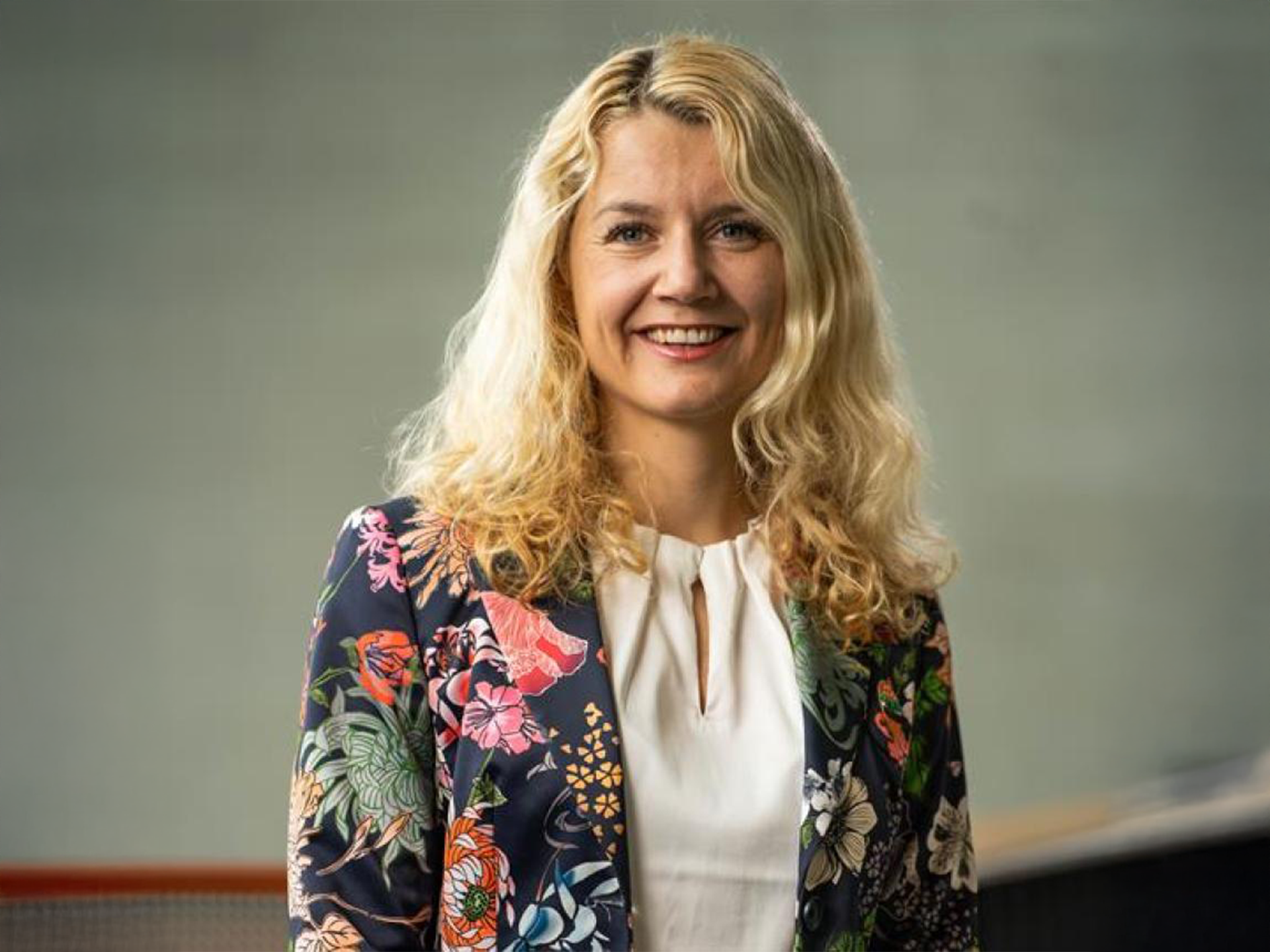
Associate Professor Katharina Richter and her team develop new treatments to join the war on superbugs, pursuing the goal of bringing innovations from the lab to real-life applications.

The Richter Lab, located at the Basil Hetzel Institute, also collaborates with veterinary and food scientists to develop sanitisers to kill food-borne superbugs. This will improve decontamination processes, increase animal wellbeing and create safer and more sustainable food production.

Drugs and pill bad icon

Novel antibiotic-free strategies to combat drug-resistant superbugs

Finger cut icon

Biofilm disruption and eradication in wounds and infections

Liquid rain drops icon

Plasma-activated water for infection control and accelerated wound healing

Bowl of cereal icon

Industry field trials in egg and food sanitisation with plasma technology

Microscope icon

Translation from lab to real-world, including clinical trials and industry field trials

Globe hand icon

Cross-disciplinary research spanning medicine, food science, agriculture, and space

Explore The Richter Lab

The Richter Lab's vision is to transform infection control for the rapid translation of four innovative, antibiotic-free strategies from preclinical validation to clinical trials. These innovations represent new weapons in the global arsenal against superbugs with the potential to save millions of lives. The strategies are part of the lab's three main themes below.


Cold plasma technology is used to create a new type of antibacterial sanitiser revolutionising the health and food industries.

Plasma, the fourth state of matter alongside solid, liquid, and gas, is attained by infusing energy into a gas, resulting in a highly energetic state of ionized gas and reactive radicals. This natural occurrence is observable in phenomena like lightning or the aurora borealis.

In plasma, gas becomes ions as some atoms lose or gain electrons. Reactive radicals, characterised by unpaired electrons, emerge from these energetic particle interactions. Their heightened reactivity makes them effective in various chemical reactions.

The Richter Lab, in collaboration with German industry partner Plasmatreat and Australian SME RIBU Plasma, has successfully recreated this phenomenon in the laboratory using a plasma generator. They introduce a similar plasma into water, enriching it with ionised gas and reactive radicals. This results in the creation of antibacterial water that neutralises harmful microorganisms, producing a disinfectant effect.

The sanitiser rapidly tackles bacteria, leaving behind pure water as radicals are consumed. This environmentally friendly solution generates no harmful waste, ensuring both its safety for the environment and its potential for human use.

Plasma water represents a significant step forward with transformative potential across multiple domains, including food safety and infection control in wound care.

Food safety: Foodborne superbug slayers

Cold plasma technology has potential for applications in the food industry, proving effective in decontaminating surfaces, extending product shelf life, and enhancing overall food safety. 

The use of food-grade sanitisers is a common practice in washing chicken meat and eggs before reaching consumers. However, concerns arise regarding the potential development of bacterial resistance to these sanitisers and the environmental impact of the chemicals used in the sanitisation process.

In response to these challenges, A/Prof Richter's team has developed plasma-activated water solutions tailored for different applications. This eco-friendly alternative aims to provide a more sustainable defence against superbugs, significantly reducing the risk of food poisoning.
eggs

More than four million cases of foodborne disease are reported in Australia each year. Therefore, preventing harmful bacteria from reaching consumers is crucial. Food poisoning outbreaks caused by bacteria such as Salmonella could be significantly reduced as this sanitiser moves from prototype trials toward commercial adoption. The Richter Lab is currently conducting an industry field trial with Feather & Peck, applying plasma water to egg sanitisation – a critical step in this journey.

The results of our prototype trials are really exciting and showed that our sanitiser destroyed Salmonella on chicken meat and eggs in just five seconds. We envisage that this sanitiser could be used as a spray or dip for at-risk foods such as eggs, meats, poultry and plant-based products during the manufacturing process, potentially providing a chemical-free alternative to current sanitisers and preventing disease.

A/Prof Katharina Richter
Lab leader, Future Making Fellow from Adelaide University’s Institute of Photonics, Advanced Sensing and Quantum Technologies, and School of Pharmacy and Biomedical Science.

This innovative approach will not alter the taste or smell of the food and ensures an environmentally friendly process, as the active ingredients become inactivated after use, leaving behind only pure water. Embracing such advancements could lead to safer food, reduced food waste, improved public health, and potentially even save lives.

Team

  • Björn Kolbe (PhD student)
  • Shizuku Inomata (PhD student)
  • Dr Adrian Abdo (Post Doc)
  • Tania Veltman (Post Doc)

In collaboration with Dr Andrea McWhorter (Animal and Veterinary Science) and A/Prof Bryan R. Coad (Agriculture and Food Science). 

Industry partners

  • Plasmatreat
  • RIBU Plasma
  • End Food Waste CRC
  • Feather & Peck and Areco Pacific

Infection control: Antibacterial wound cleanser

The Richter Lab team has showcased the capability of plasma water in efficiently eradicating pathogens in vitro while maintaining the safety of human cells. This breakthrough technology holds immense promise for advancing infection control in wound care.

Plasma water demonstrates both safety and effectiveness against biofilms formed by resistant pathogens listed on the World Health Organisation's global priority list. Collaborating with Plasmatreat and RIBU Plasma, the team has fine-tuned a specific plasma water formula that kills the notoriously challenging MRSA, all while ensuring the protection of human cells.

Critically, plasma water not only kills superbugs, including MRSA and other WHO priority pathogens, but has also been shown to actively accelerate wound healing, offering a dual therapeutic benefit that sets it apart from conventional antiseptics.

The ultimate goal is to establish the first liquid application of plasma medicine, effectively 'storing' the antimicrobial properties of plasma in water for on-demand clinical use.

A Phase I clinical trial (ACTRN12625000902493) is currently underway, evaluating plasma water as a treatment for diabetes-related foot ulcers in collaboration with clinicians across The Queen Elizabeth Hospital and Royal Adelaide Hospital.

This approach promises an outstanding safety and efficacy profile, offering a cost-effective, on-demand, scalable, and storable treatment for wound healing. Such innovation will empower clinicians to optimise therapeutic decision-making at the individual patient level.

A/Prof Katharina Richter
Lab leader, Future Making Fellow from Adelaide University’s Institute of Photonics, Advanced Sensing and Quantum Technologies, and School of Pharmacy and Biomedical Science.

Team

  • Angela Boahen (PhD student)
  • Vivian Yu (Honours student)
  • Dr Adrian Abdo (Post Doc)

In collaboration with diabetes clinicians Prof Robert Fitridge (The Queen Elizabeth Hospital, Royal Adelaide Hospital), Dr Guilherme Pena (Flinders Medical Centre), wound healing experts Dr Zlatko Kopecki (PolyNovo) and Dr Anna Antipov (Future Industries Institute).

Industry partners

  • Plasmatreat
  • RIBU Plasma

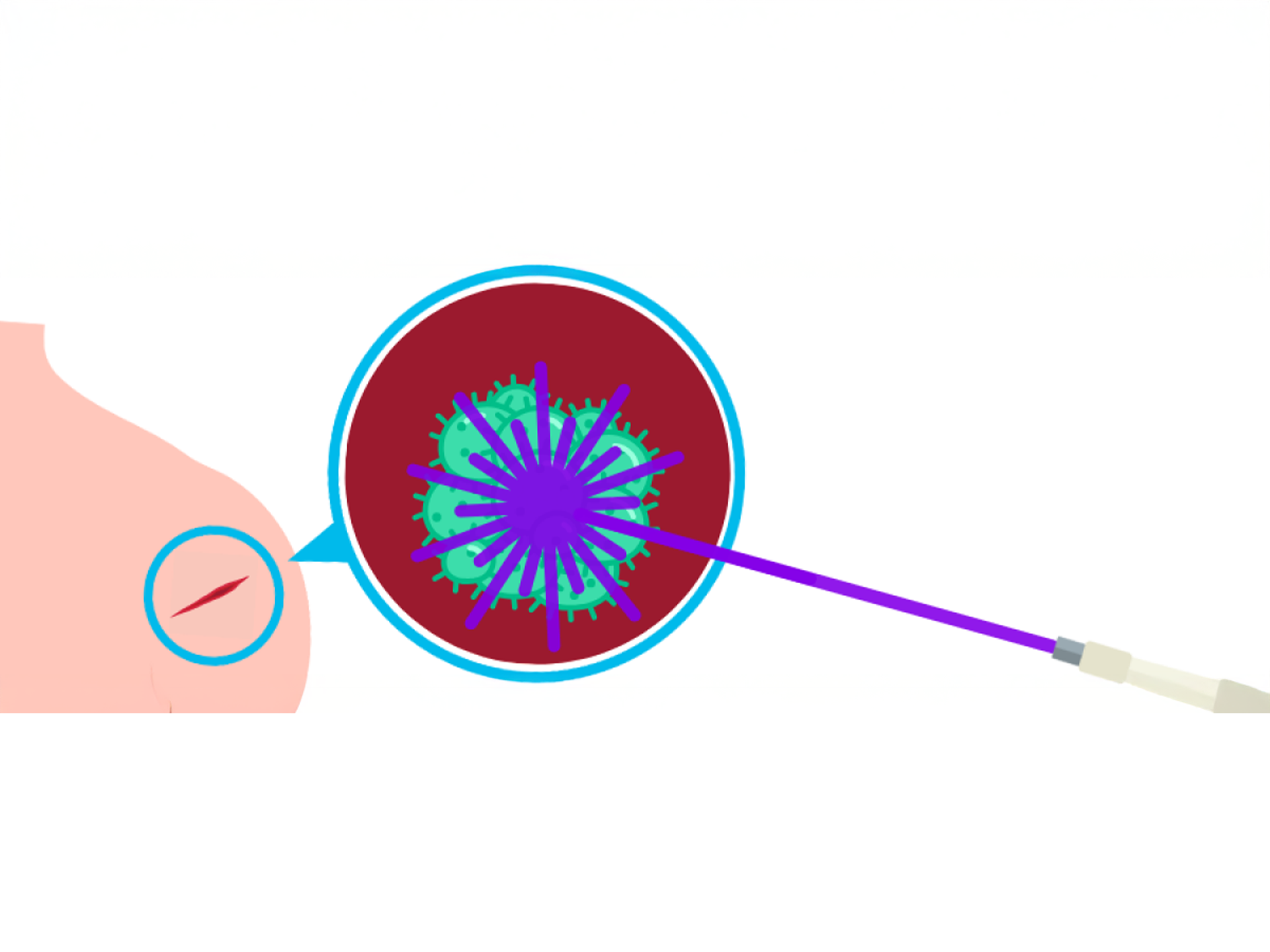
Exploring Far-UVC light, A/Prof Richter's team is developing a laser-medical device to disinfect wounds, killing superbugs without harming human cells.

Operating in the 200-222 nm wavelength range, Far-UVC light is absorbed by microbial DNA but does not penetrate human skin or eyes. At the cellular level, this means that Far-UVC cannot reach the nucleus of human cells and thus is not toxic.

Because microbes are approximately 10 times smaller than human cells, Far-UVC can penetrate and destroy their DNA without reaching the nucleus of human cells.

Far-UVC is safe in cell culture, effective against resistant pathogens on the World Health Organisation's global priority list and environmentally friendly, leaving no chemical residues. It offers a safe and effective way to control microbes without antibiotics, preventing the development of antibiotic-resistant bacteria.

Wound image

In collaboration with photonics and laser experts from Adelaide University, Prof Heike Ebendorff-Heidepriem, Dr Anoop Sunny, Dr Tom de Prinse and Prof Nigel Spooner, The Richter Lab team identified specific parameters for the laser device, ensuring the device could eliminate superbugs in just one second without causing harm to human skin cells.

The cutting-edge technology is now progressing to prototype development. The pre-clinical validation and proof-of-concept of the laser device for safety and efficacy will provide valuable therapeutic insights for first-in-human trials.

The first application of a Far-UVC laser device in surgical procedures would set a new standard in infection prevention across surgeries, sutures, and wound care.

Team

  • Harriet Cooling (PhD student)

In collaboration with IPAS-QT researchers Prof Heike Ebendorff-Heidepriem, Dr Anoop Sunny, Dr Tom de Prinse, Prof Nigel Spooner and clinician Dr Markus Trochsler (The Queen Elizabeth Hospital). 

The wound healing gel uses smart tech with a special ingredient to effectively kill bacteria in hard-to-reach places within wounds, providing excellent antibacterial efficacy whilst preventing side effects.

A/Prof Richter's team has developed a dual treatment using "DDC-Cu", a patented combination made of diethyldithiocarbamate (DDC) and copper ions (Cu2+). Copper is an essential nutrient of Staphylococci, a group of bacteria commonly found on the skin. While they are usually harmless, they can become problematic in surgical settings as they can cause infections. This group of bacteria can form biofilms, helping them develop resistance to antibiotics over time.

It is hypothesised that DDC-Cu is transported into bacteria through copper uptake mechanisms delivering the DDC-Cu like a Trojan Horse. This smart drug delivery approach will kill antibiotic-resistant bacteria by inhibiting essential copper-dependent food pathways, impairing their ability to survive.

DDC-Cu is not only safe to use and effective against biofilms of antimicrobial-resistant Staphylococci, but it also synergistically enhances antibiotic potency, making resistant bacteria susceptible again to antibiotics.

Wound healing

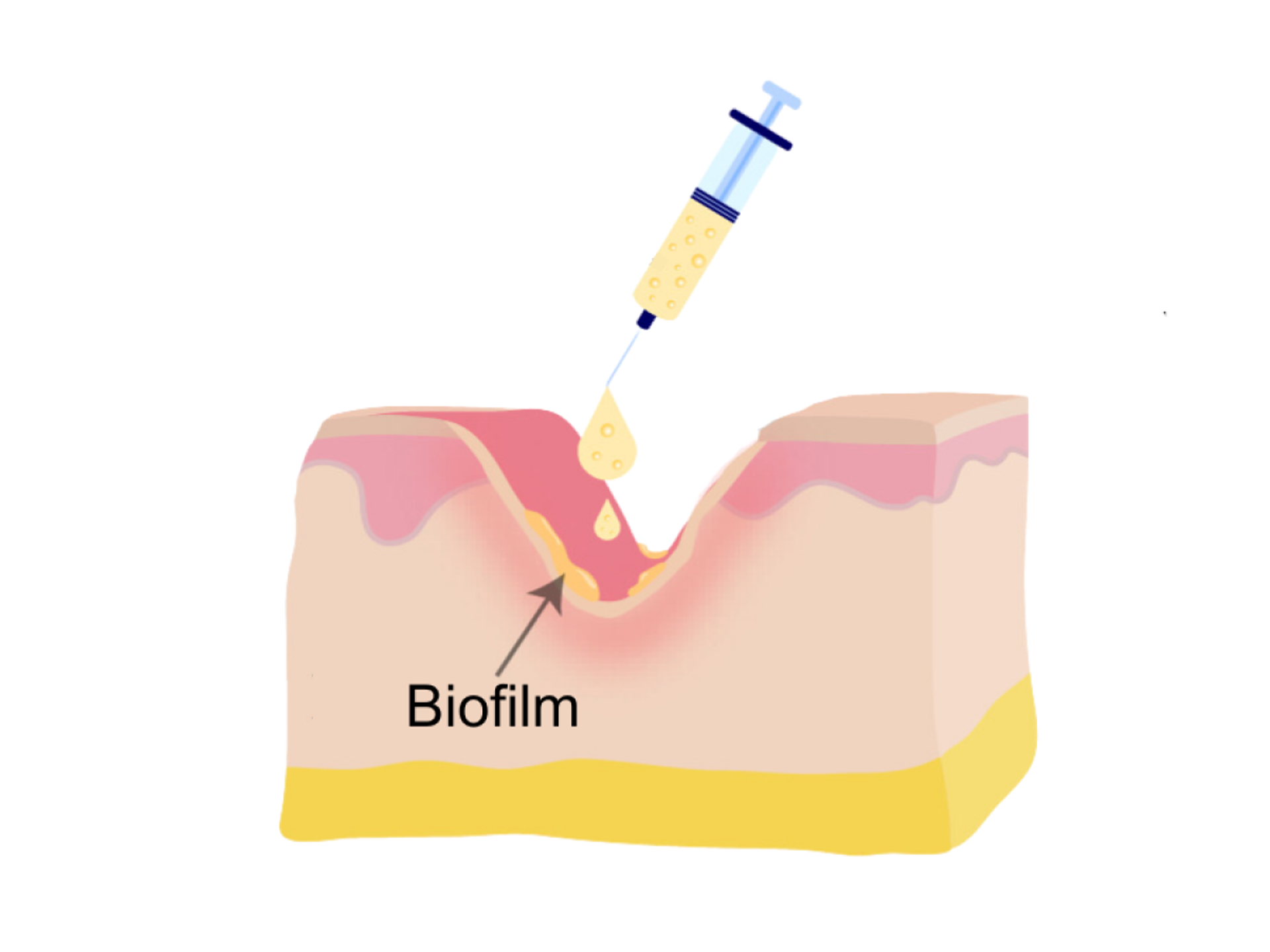
The DDC-Cu Wound Healing Gel is a thermo-sensitive healing gel that reaches bacteria hiding in wound niches.

The smart drug delivery wound healing gel was developed in collaboration with the University of Freiburg to prevent and treat surgical site infections. The gel is liquid at room temperature and can fill uneven niches of wounds where bacteria hide. At body temperature the gel solidifies, locking the drugs in place for the highest localised efficacy against bacteria without causing side effects.

This research is now at the prototype and pre-clinical testing stage.

Team

  • Dr Adrian Abdo (Post Doc). 

In collaboration with Dr Laurine Kaul (Post Doc, Uni of Freiburg), Prof Regine Süss (Uni of Freiburg) and clinician Prof Guy Maddern (The Queen Elizabeth Hospital). 

The Richter Lab believes that the most impactful science happens at the intersection of disciplines. By bringing together clinicians, engineers, food scientists, veterinarians, agriculturalists, space scientists, and industry partners, we accelerate the journey from laboratory discovery to real-world solutions. Whether you are a researcher, clinician, or industry leader, we welcome collaborations that share our commitment to fighting antimicrobial resistance.

Interested in collaborating? Contact A/Prof Richter.

Industry partners

  • Plasmatreat
  • RIBU Plasma
  • End Food Waste CRC
  • Feather & Peck
  • Areco Pacific
  • Lindo
  • Cambrian Defence & Space
  • Laimburg Research Centre

Funding bodies

  • MRFF
  • NHMRC
  • ARC
  • Australia’s Economic Accelerator
  • The Hospital Research Foundation Group

Contact us

Location

Location
The Richter Lab
Adelaide University
Level 2, Basil Hetzel Institute, QEH Campus, Woodville SA 5011

Telephone

Phone: +61 8 8222 7836

Email

Email: 
researchgroup@adelaide.edu.au
katharina.richter@adelaide.edu.au

Contact us

Institute of Photonics, Advanced Sensing and Quantum Technologies

Location

Location
Institute of Photonics, Advanced Sensing and Quantum Technologies
Adelaide University
Level 1, The Braggs Building, City Campus East, Adelaide SA 5000

Telephone

Phone: +61 8 8313 9211

Email

Email: ipasadelaide@adelaide.edu.au