A pharmaceutical breakthrough at Adelaide University is showing promise in both multi-organ radiation protection and cancer treatment.
Radiation plays a crucial role in a number of fields; it’s vital for killing cancer cells in current cancer treatments, propelling nuclear-powered military submarines and electricity grids, and more. However, radiation carries risks. Overexposure can lead to radiation poisoning, triggering severe symptoms and conditions such as cancers, cognitive impairments and fatal multi-organ failure (bone marrow, lung, intestines, heart). In Australia, workers including uranium miners, military personnel, emergency service professionals, and astronauts are all vulnerable to radiation poisoning. To mitigate its adverse effects, Adelaide University researchers have made great strides towards a world first: a multi-organ anti-radiation drug.
Researchers at the South Australian immunoGENomics Cancer Institute (SAiGENCI) are working to develop and manufacture SAi001, the world’s first broad-spectrum pharmaceutical radiation protectant, and to develop its key ingredient as an anti-cancer drug.
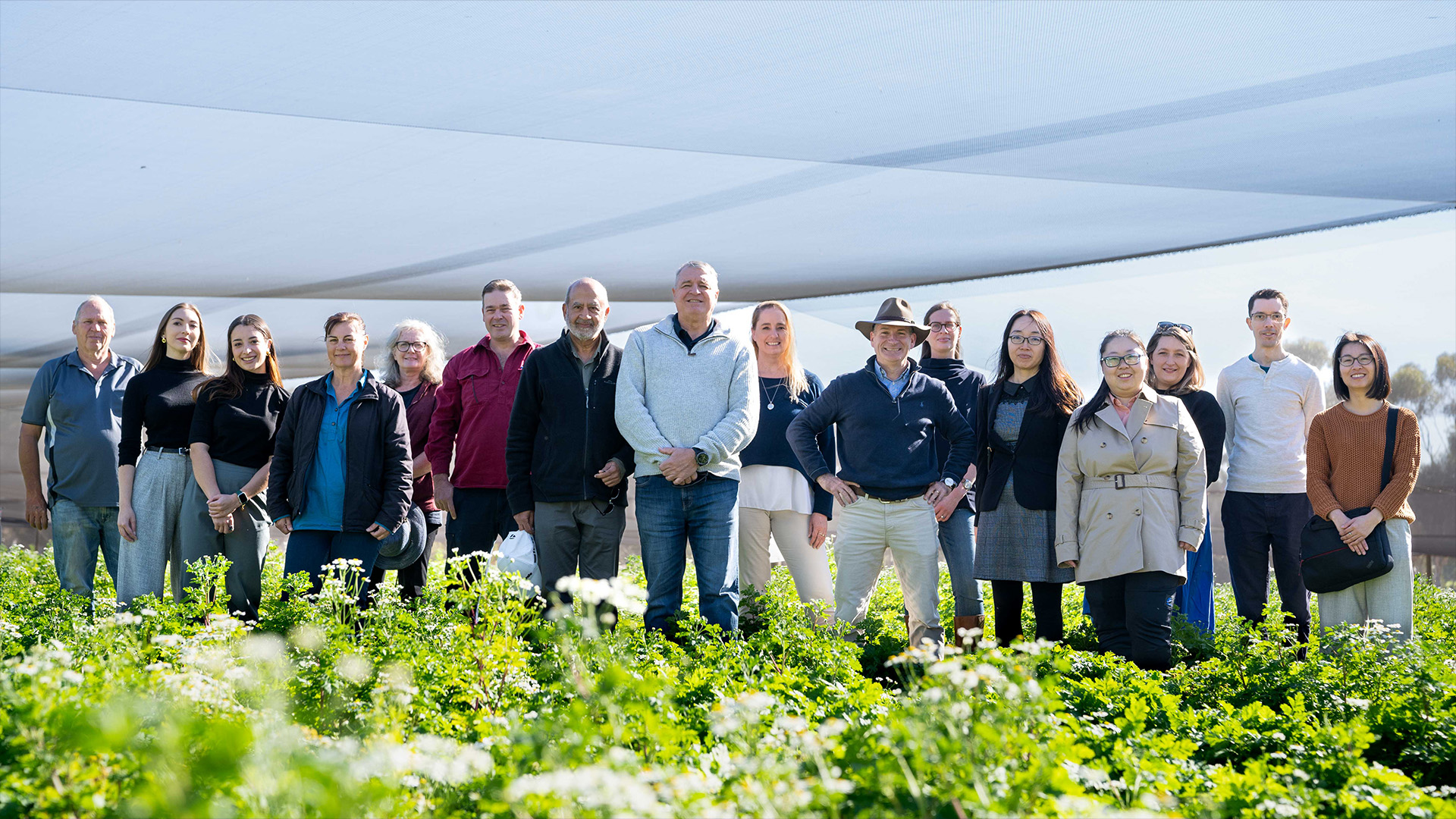
“This project has a strong potential for success and will directly facilitate the development of a commercially viable, regulatory-approved radioprotective pharmaceutical as well as a new anti-cancer agent,” says Professor Christopher Sweeney, who leads the SAi001 development team including Dr Agnieszka Kumorkiewicz-Jamro, Dr Katherine Morel, and Professor ChunXia Zhao.