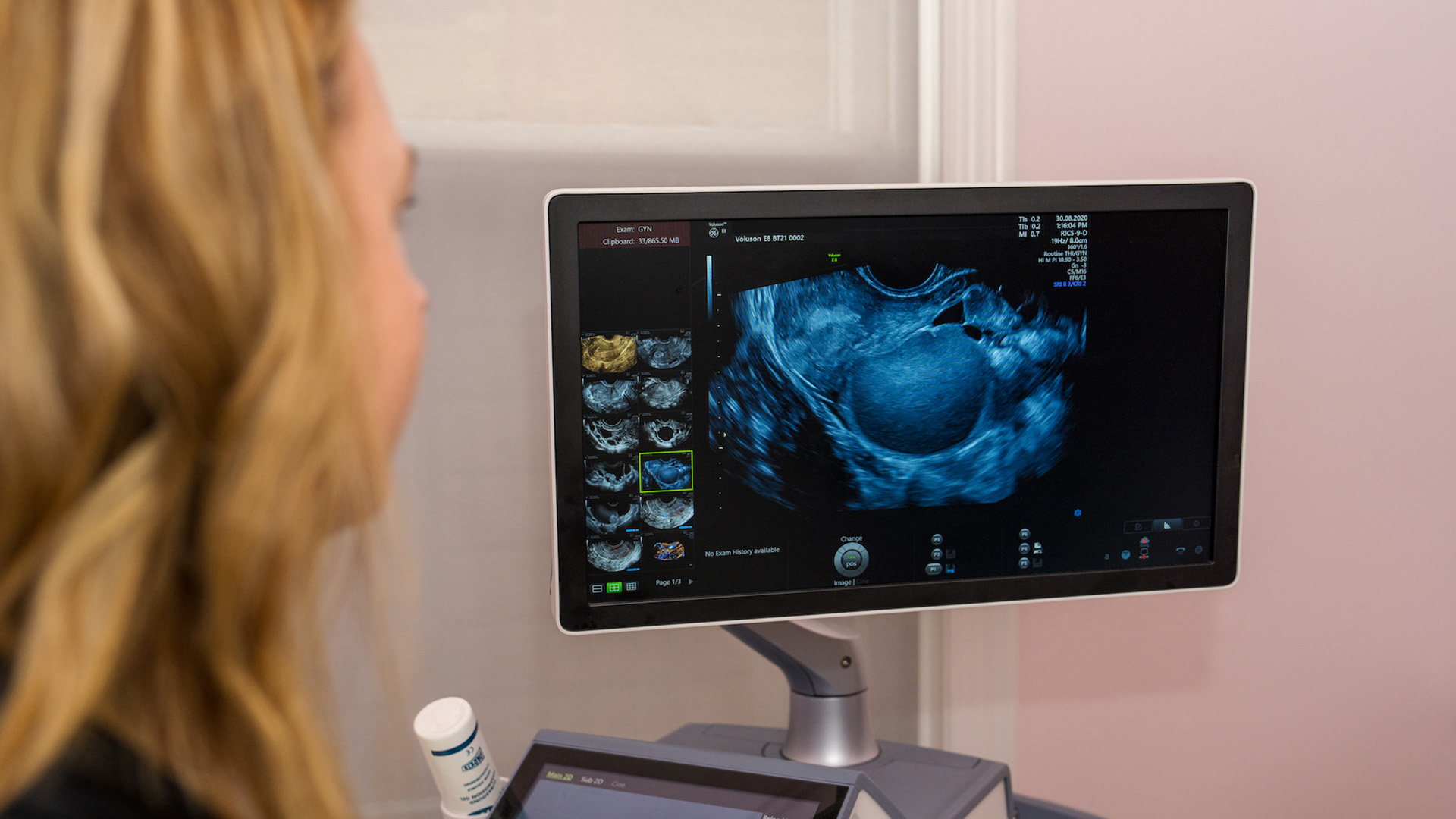
An interdisciplinary research team from Adelaide University are using ground-breaking AI technologies to make endometriosis diagnosis faster, more cost-effective, and less invasive with IMAGENDO®.
Endometriosis affects hundreds of millions of people globally and nearly a million Australians. The condition, which occurs when tissues similar to the lining of the uterus grow outside the womb, can cause pelvic inflammation, headaches, fatigue, and even infertility. The debilitating pain can affect one’s ability to work, relationships, fitness, education and mental health. And yet, despite its undeniable toll, pathways to diagnosis and treatment remain slow, expensive and invasive.
Currently, the wait time for diagnosis averages more than six years from symptom onset. Painful symptoms are often overlooked or normalized, and the most common diagnostic tool, a keyhole surgery, is costly and intrusive. Fortunately, Adelaide University researchers are working to improve care for endometriosis with a new form of non-invasive imaging called IMAGENDO®.
Two Adelaide University research institutes – the Robinson Research Institute and the Australian Institute for Machine Learning – are harnessing the emergent power of artificial intelligence (AI) to revolutionise endometriosis diagnosis. By combining ultrasound, magnetic resonance imaging (MRI), and AI, the researchers aim to make IMAGENDO® a cost-effective, accessible, and accurate new way to diagnose the condition without surgery.