Reproductive Immunology

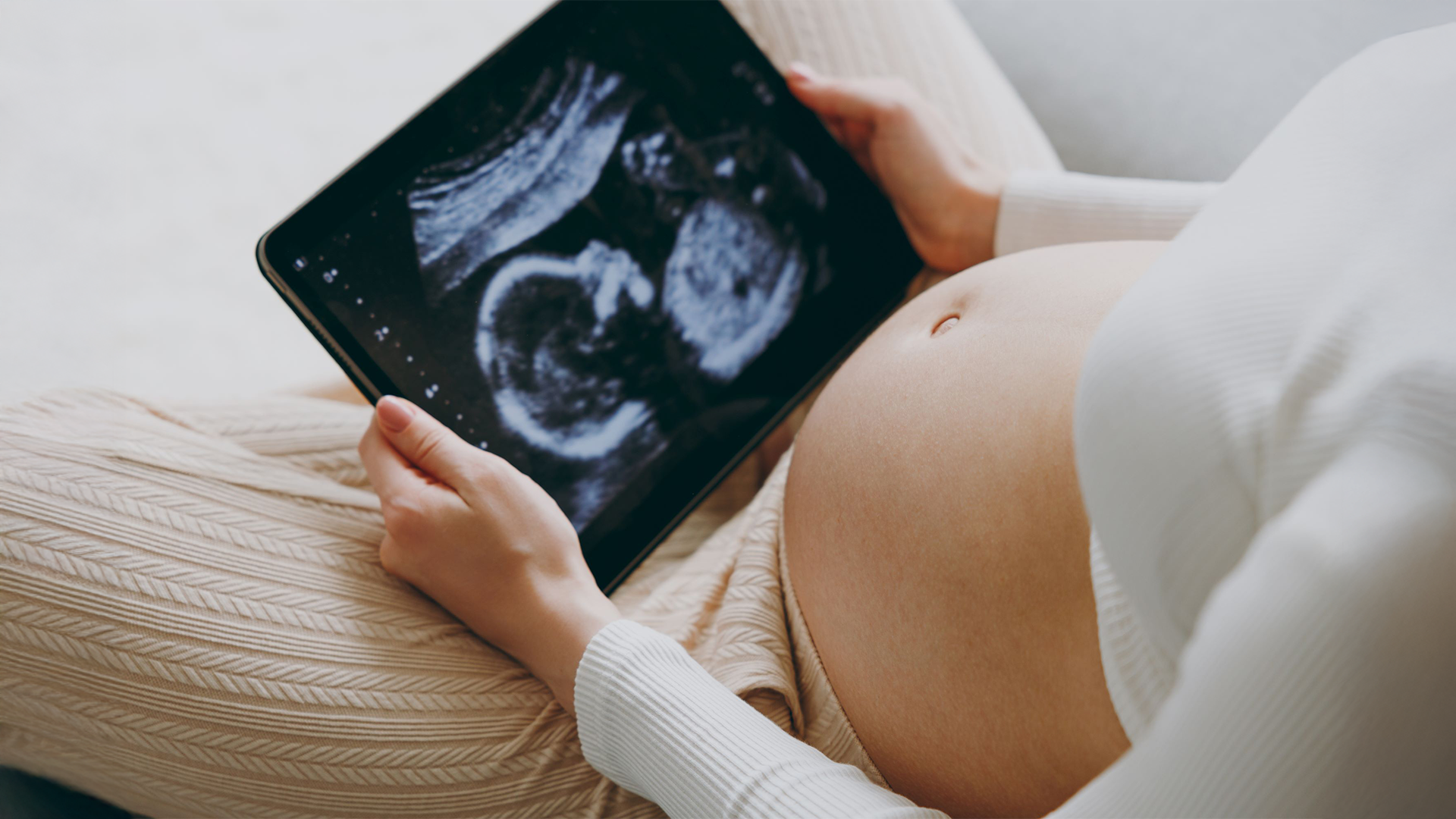
Woman looking at ultrasound image

Defining the role of the immune response in pregnancy success

The Reproductive Immunology research group at the Robinson Research Institute, led by Professor Sarah Robertson AO, explores how the female immune system shapes fertility, conception, early development and pregnancy.

Our work focuses on the critical early stages of life - from conception through to pregnancy - and how the body’s immune response supports or sometimes prevents a healthy pregnancy. The immune system plays a central role in enabling the uterus to recognise and accept an embryo, ensuring the healthiest embryos survive, while protecting both mother and baby from infection.

We investigate why this process does not always work as expected, leading to challenges such as unexplained infertility, miscarriage, pregnancy disorders, and preterm birth. By understanding the biological signals involved, including factors contributed by both parents, our research aims to better understand the fundamental mechanisms of establishing pregnancy and to identify new ways to improve pregnancy outcomes.

Working across laboratory research, clinical studies and industry partnerships, we translate scientific discovery into real-world solutions. This includes developing new treatments and approaches to support people trying to conceive and to improve the health of infants from the earliest stages of life.

DNA icon

Biological mechanisms by which immune cells and mediators impact fertility and conception

Uterus icon

Molecular and cellular pathways eliciting maternal immune tolerance in pregnancy

Virus bacteria icon

Immune causes of infertility and pregnancy complications

Sperm icon

Male seminal fluid factors contributing to female reproductive success

Bay embreo icon

Immune and inflammatory mechanisms of fetal developmental programming and offspring health

Shield secure icon

Immune-based interventions to improve outcomes for mothers and babies

Needle icon

Translational research for IVF and assisted reproduction treatments in humans and animals

Explore the Reproductive Immunology research group

Our research has been delivering new knowledge and clinical solutions to improve fertility and pregnancy outcomes, including:

  • EmbryoGen, an immune-based intervention for repeated IVF failure and recurrent miscarriage now available in over 50 countries worldwide
  • Developing the Affinyx sperm selection device for use in IVF – capable of selecting the best sperm based on DNA integrity by mimicking nature’s selection process
  • New knowledge of how immune signals support embryo implantation and healthy pregnancy
  • Advancing knowledge of infertility, miscarriage and pregnancy complications
  • Developing new interventions, including immune-based IVF technologies
  • Informing diagnostics and treatments for unexplained infertility and pregnancy loss

This project explores how the immune system helps prepare the uterus for pregnancy. It focuses on the functions and behaviour of regulatory T cells, macrophages and dendritic cells in unique mechanisms for generating tolerance at the outset of pregnancy. Using laboratory models, the research aims to understand how these cells work together to promote endometrial receptivity to support embryo implantation and placental development.

This research investigates how the immune system affects fertility and early pregnancy. Working with clinical partners to identify clinical subtypes of immune disorder that constrain conception and healthy pregnancy, it focuses on developing blood-based tests to better understand different types of immune-related fertility challenges. The goal is to create targeted treatments that support a healthy pregnancy by matching therapies to individual patient needs.

This research explores how male seminal fluid influences the female immune system to support conception and a healthy pregnancy. It investigates how signals from the male partner elicit immune tolerance to male partner antigens that will be expressed by the fetus and placenta, to facilitate embryo implantation and protect the progression of pregnancy and early development. The goal is to better understand how these processes affect fertility, pregnancy outcomes and reproductive health.

This project investigates how seminal fluid affects the female reproductive system and influences fertility and pregnancy outcomes in IVF. It focuses on identifying key biological signals in seminal fluid that interact with the uterus and cervix, stimulate female sperm selection, and induce immune tolerance. The research aims to develop new diagnostic tools and treatments, including approaches to better support male fertility.

This research investigates how natural signals in the female reproductive tract support early embryo development and prepare it for implantation. It has identified key factors, including GM-CSF, that improve embryo growth and increase the chances of a successful pregnancy, leading to the development of IVF treatments now used globally. Ongoing work aims to better understand how these signals influence long-term health outcomes for babies.

Contact us

Location

Location
Reproductive Immunology Research Group 
Robinson Research Institute, Adelaide University 
Adelaide Health and Medical Sciences building, 4 North Terrace, Adelaide SA 5000

Email

Email: sarah.robertson@adelaide.edu.au