Understanding gender-based violence, including sexual harm

AU Banner hidden

Adelaide University is committed to creating a safe and respectful university environment for all. The University recognises that all forms of gender-based violence, including sexual harm are unacceptable. 

Our work to prevent and respond to gender-based violence is guided by AU’s Gender-based Violence Prevention and Response Plan and is regulated by the Higher Education Gender-based Violence Regulator (GBV Regulator). 

What is gender-based violence? 

Gender-based violence is any form of physical or non-physical violence, harassment, abuse, or threats based on gender that results in harm, coercion, control, fear, or deprivation of liberty or autonomy. 

This includes:  

  • physical violence (assault, intimate partner violence) 
  • sexual violence (assault, harassment, non-consensual image sharing) 
  • emotional and psychological abuse (stalking, intimidation, coercive control) 
  • economic abuse (restricting access to money, education, or employment) 
  • online harm (image-based abuse and sexual extortion).  

It describes violence rooted in gender-based power inequalities, rigid gender norms and gender-based discrimination. While people of all genders can experience gender-based violence, it primarily affects women and girls - and disproportionately affects First Nations people, culturally and linguistically diverse communities, people with disability and people of diverse sexual orientation and gender identity. 

For more information on gender-based violence, visit Australia’s National Research Organisation for Women’s Safety (ANROWS)

What are the drivers of gender-based violence? 

Research shows there are four main factors that most consistently drive gender-based violence. 

Driver 1: Condoning violence against women

This can look like: 

  • making sexist comments or ‘joking’ about violence 
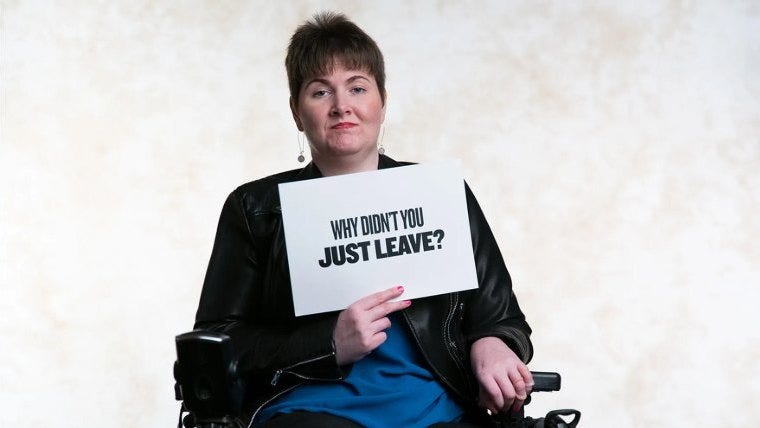
  • blaming a woman for not leaving a violent partner 
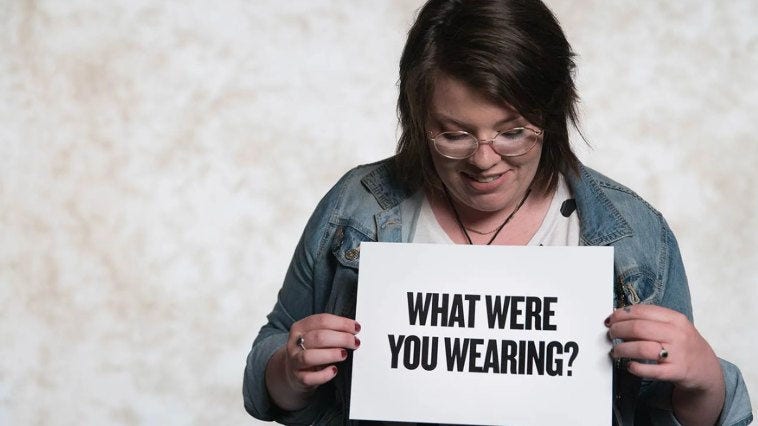
  • media headlines or legal practices highlighting what a victim-survivor was wearing or drinking. 

Driver 2: Men’s control of decision-making and limits to women’s decision-making in public and private life

This can look like: 

  • the idea that men should be ‘in charge’ in their relationship and be the bosses at work 
  • a lack of women in leadership positions 
  • laws that limit reproductive rights. 

Driver 3: Rigid gender stereotyping and dominant forms of masculinity

This can look like: 

  • the idea that men must be tough and in charge, never cry or show their feelings 
  • men believing they are entitled to sex 
  • the belief that women should be submissive to men 
  • phrases like ‘boys will be boys’ or referring to girls as ‘bossy’ when they express their opinion. 

Driver 4: Male peer relations and cultures of masculinity that emphasise aggression, dominance and control

This can look like: 

  • a man wanting to seem in control of his partner in front of his friends 
  • men using sexist or homophobic jokes to bond  
  • boys and young men sharing sexual photos of women without their consent. 

For more information on the drivers of gender-based violence, please visit Our Watch.

External support options

Support for victim-survivors of gender-based violence 

There are many resources to support victim-survivors of gender-based violence

Women’s Safety Services SA (WSSSA)

Supports women and their children who are experiencing domestic and family violence. They can help people find safety and support during and after experiencing abuse.

Yarrow Place 

The lead public health agency responding to adult rape and sexual assault in South Australia.  They provide free, direct services to people aged 16 years or older who have been raped or sexually assaulted or who were aged 16 years or older at the time of the assault.

1800RESPECT

Australia’s National Domestic Family and Sexual Violence Counselling Service. 1800 RESPECT is available for free, 24 hours a day, 7 days a week to support people impacted by domestic, family or sexual violence. You can call, text, chat or video call. 

If you don’t want your call to be recorded, you can tell the counsellor who answers your call. You can also choose to remain anonymous or to use a pseudonym (fake name) when you call if you prefer. How much information you choose to share, is up to you. Counsellors will focus on exploring what’s happening for you, your current safety and the safety of anyone in your care, how you are coping, and help you work out what kind of support you need. 

Go direct

Direct services include:

  • 24-hour crisis response service (medical and counselling services for recent sexual assault)
  • professional counselling
  • therapeutic support groups for recent and past sexual assault
  • collection of forensic evidence as requested by those people who have made, or wish to make, a report to the police
  • referral to other services, as appropriate.  

Support for those who use violence

Men’s Referral Service

The national counselling, information and referral service for men who use violence and abuse to change their behaviour. 

MensLine Australia

A free telephone and online counselling service offering support for Australian men. MensLine Australia offers free professional 24/7 telephone counselling support for men with concerns about mental health, relationships, anger management, family violence (using and experiencing), stress, and suicidal thoughts.