Aura

Rise of the non-machines: Analogue crafts in a digital age

By Mark Douglas

Published on 8 October 2026

Rise of the non-machines: Analogue crafts in a digital age

A resurgence in crafts is gaining momentum globally as people increasingly seek to find ways to unplug from the virtual world and make human connections.

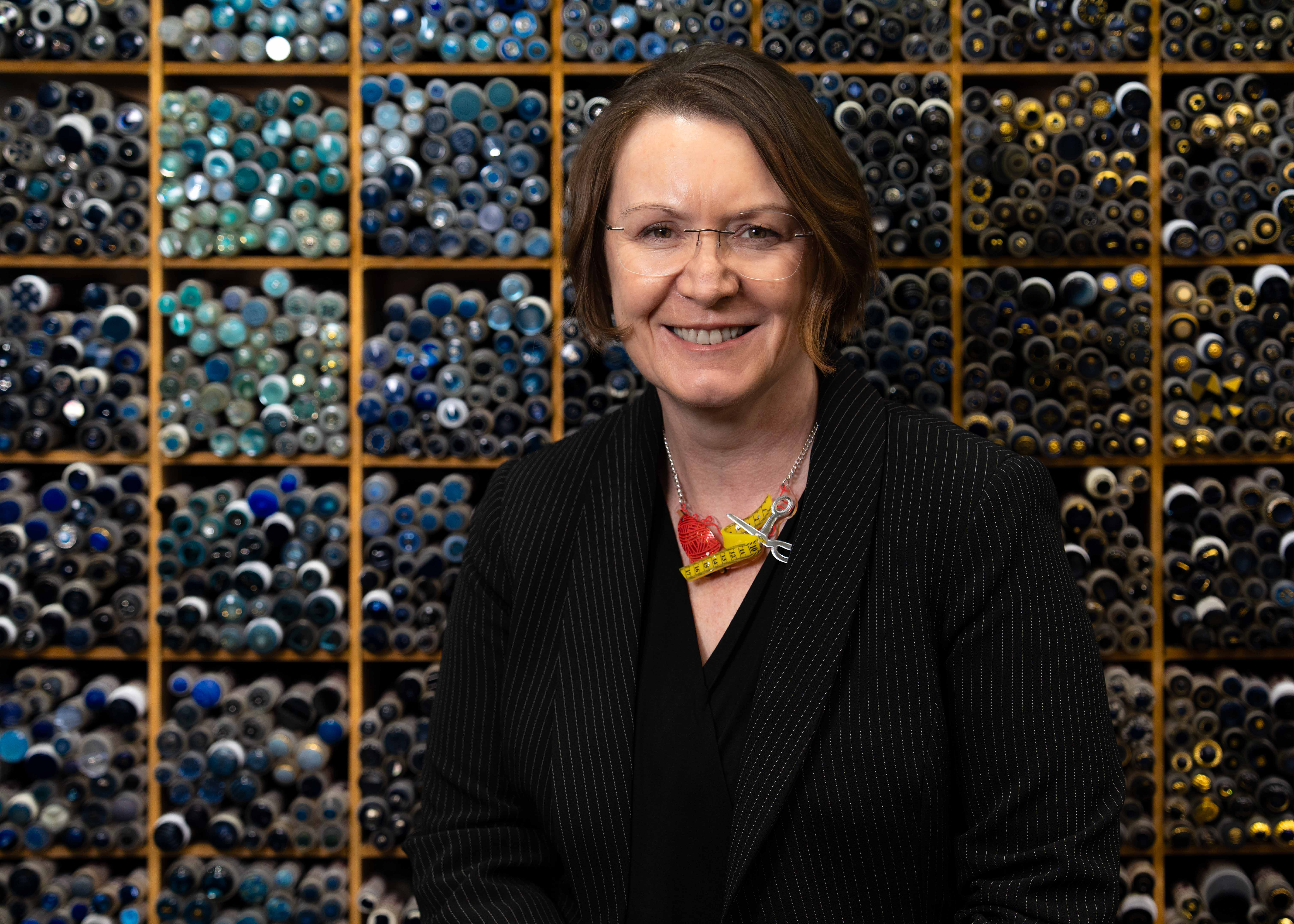
"There are many reasons behind this growing movement," says Adelaide University Professor Susan Luckman.

"It's less a Luddite rejection of technology, but rather an escape from screen time into more life-affirming ways to learn new skills and make connections in the real world."

Susan is Professor of Culture and Creative Industries, Founding Director of the Creative People, Products and Places Research Centre (CP3), and Leader of the Creative Work in the Age of GenAI Work Package in the EU Jean Monnet Centre of Excellence at Adelaide University.

Based at the University's Magill Campus, her attention to the intersection between online and ‘real’ worlds dates to the earliest days of dial up internet in the 1990s when women were massively under-represented users of this new technology.

"As I pursued my digital research path, I started to notice a parallel counter-trend with a rise of interest in rediscovering and celebrating crafts and the artisanal," she says.

"Our lives have continued to become more digital, and the rise of artificial intelligence brings a whole new level to this.

"I have observed an increasing interest, including young people's interest, in craft and making practices, and thinking about where things come from and how they're made."
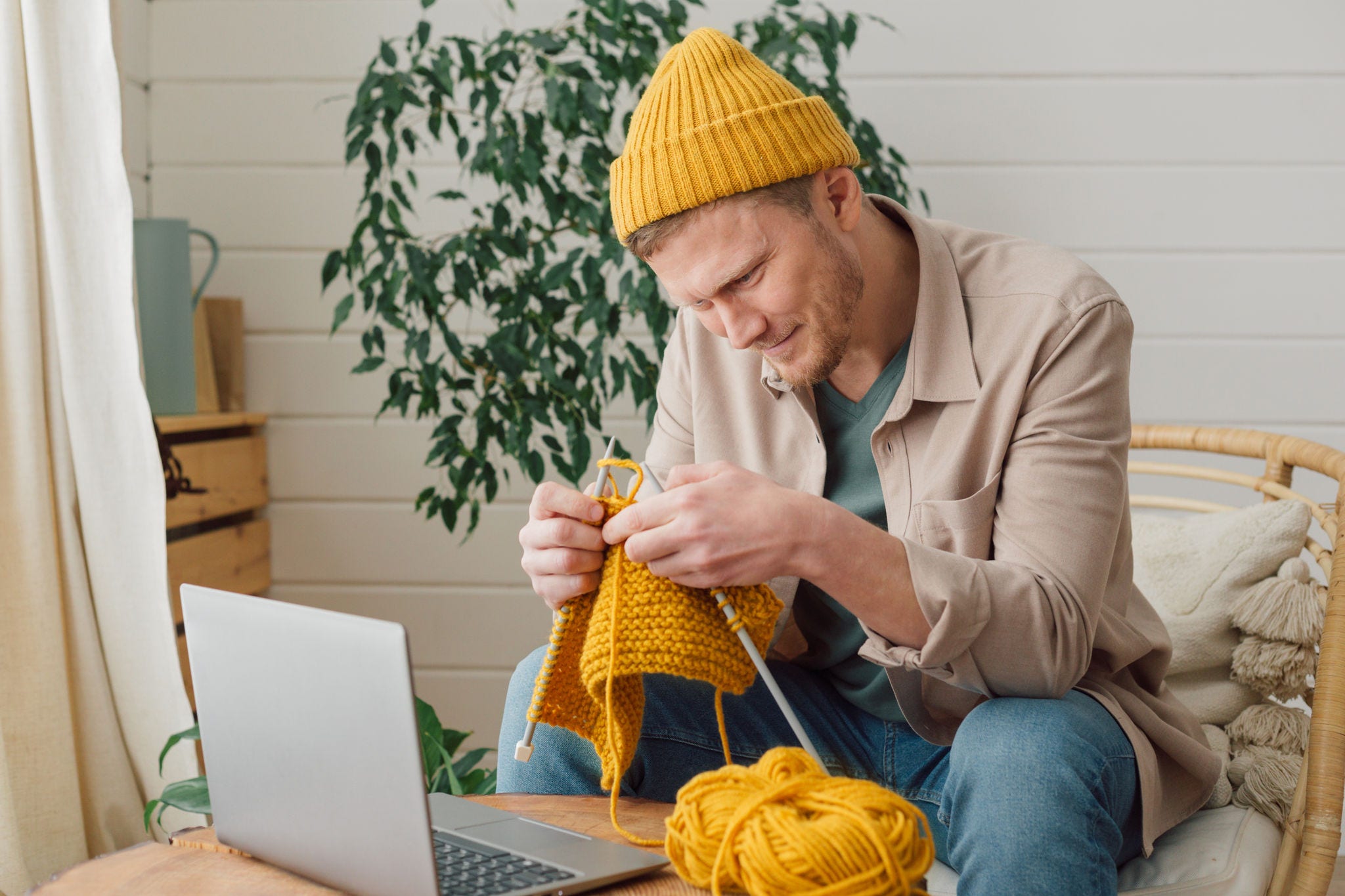
 Some craft skills, such as knitting and sewing, skipped a generation but are regaining popularity. Some craft skills, such as knitting and sewing, skipped a generation but are regaining popularity.

Technology has aided the resurgence of hand-made crafts

Far from rejecting the technology of our times, craft and artisanal creators have benefited from it as a way to learn and also to develop new markets for the things they make.

"That change in access to markets for craft has in many ways been at the forefront of the rise of platform economies," Professor Luckman says.

Most often, however, craft practices are not being pursued for economic reasons. 

"I think post-COVID we began to see young people interested in getting together face to face and doing things other than going to the pub," Professor Luckman says.

"Young people are increasingly very health conscious and price-sensitive and as a result they aren't drinking as much as they used to but are instead seeking out other ways to socialise that are interesting, challenging and creative – anything that's not just doom scrolling on their devices alone.

"It's about how they can actually relax better, have social networks, and form friendships.

"At a very basic level, I think people are looking for something to do recreationally that doesn’t involve a screen. I think many of us get a sense of losing or poorly using time when we disappear down a scrolling rabbit hole. 

"Crafts and other analogue pastimes offer tactile, material rewards, including learning a new skill and making something with your own hands. It’s a little bit of self-empowerment in a world that can often feel overwhelming."

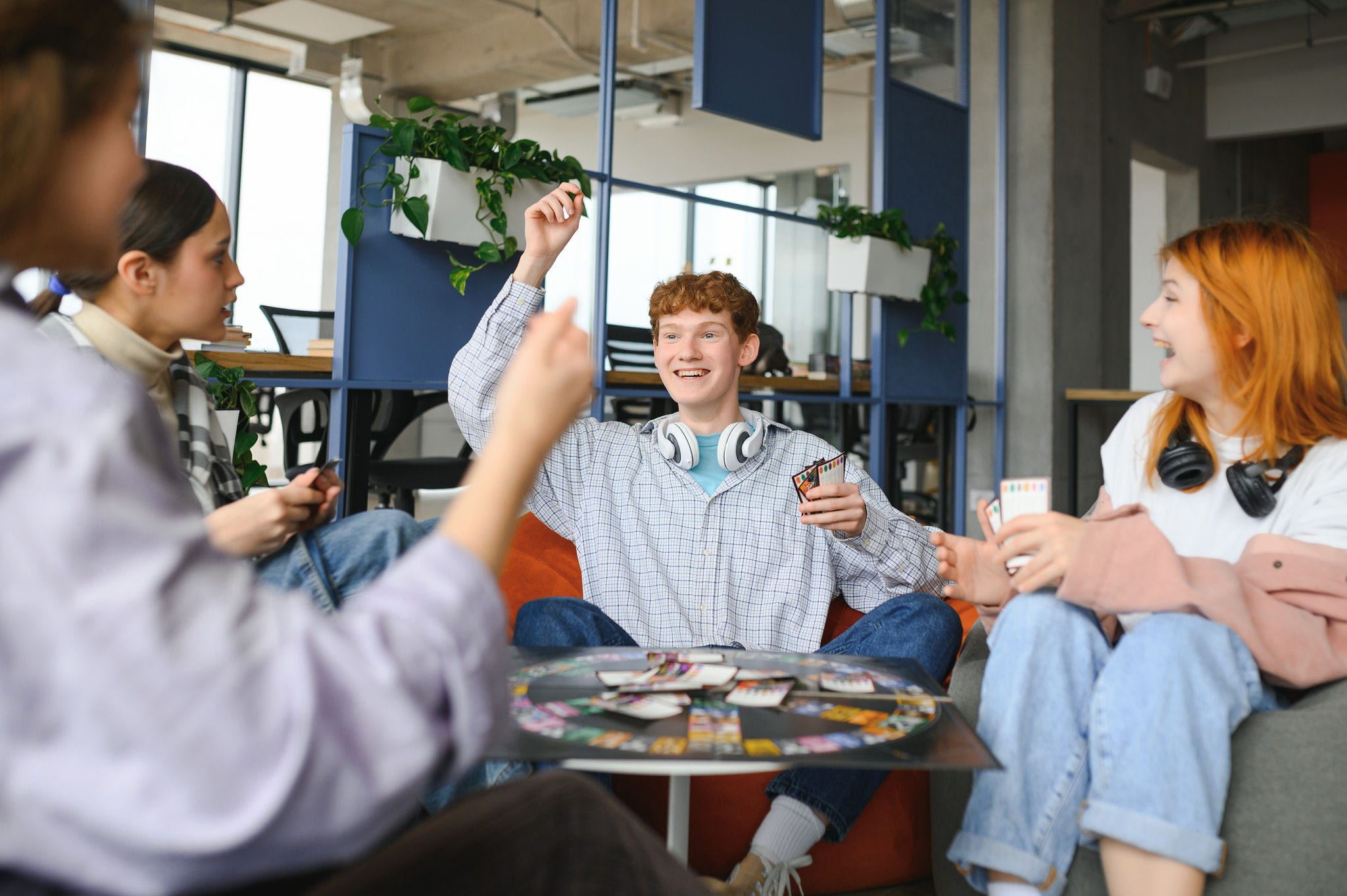
New ways are being found to meet with others in “third places” – places which are neither work nor home, including for board games meet-ups. New ways are being found to meet with others in “third places” – places which are neither work nor home, including for board games meet-ups.

The appeal of social spaces that have nothing to do with social media

Professor Luckman says new ways are being found to form "third spaces" to meet with others – places which are neither work nor home.

"Traditionally churches, pubs, guilds and clubs among other institutions offered these spaces, but many of these are either in decline or just don’t resonate with younger generations," she says.

"Instead, a growing number of people are seeking out alternatives like crafting circles, making retreats, board games meet-ups, group photography or sketching excursions as welcoming social spaces that connect you with like-minded people.

"One of the other things I've found is that in some ways some craft skills, especially for things like knitting and sewing, skipped a generation. Many of the 20- or 30-something year old women who now want to get into those had mothers who fought for the right to enter the workforce and for equality and equal rights. 

"For them, leaving behind some of those domestic skills was part and parcel of what the good life looked like for them. So now some young people are looking back to earlier generations to find and renegotiate a lot of these skills." 

Professor Luckman says other benefits experienced by practitioners, especially those who find a new community, include an antidote to the noted loneliness epidemic many in society are experiencing.

"There are also benefits in mindfulness, and a chance to create, to move, to learn physical skills, to connect with other people.

"They want just to get back a sense, I think, of agency and control in a world that seems, especially for young people, very out of control at times."

Professor Luckman is co-leading a 4-year Australian Research Council Project exploring Australia's artisanal economy.

Additional reading:

Professor Luckman on What the backlash to the Industrial Revolution can teach us about handcrafts in the age of AI

Republish this article

Republish our articles for free, online or in print, under Creative Commons licence. See our republishing guidelines for details.