Being able to take the mickey out of ourselves has been a quintessential Australian characteristic for yonks.
Or has it?
And will that element of “being an Aussie” endure?
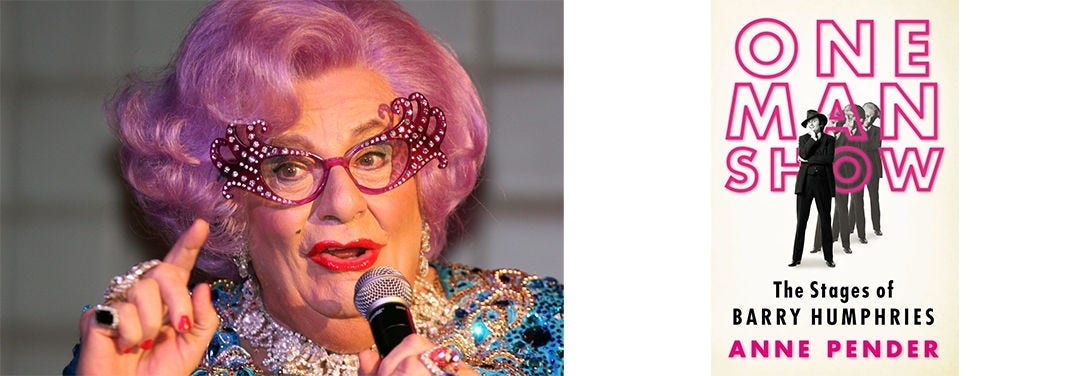
Professor Anne Pender credits Barry Humphries and his cast of alter egos for single-handedly demolishing the cultural cringe, the feeling of being second class on the world stage, which existed in Australia when his career began.
He also held up a very cruel mirror at times, reflecting our drab suburban lives at home and slobbish, drunken international reputation as travellers abroad.
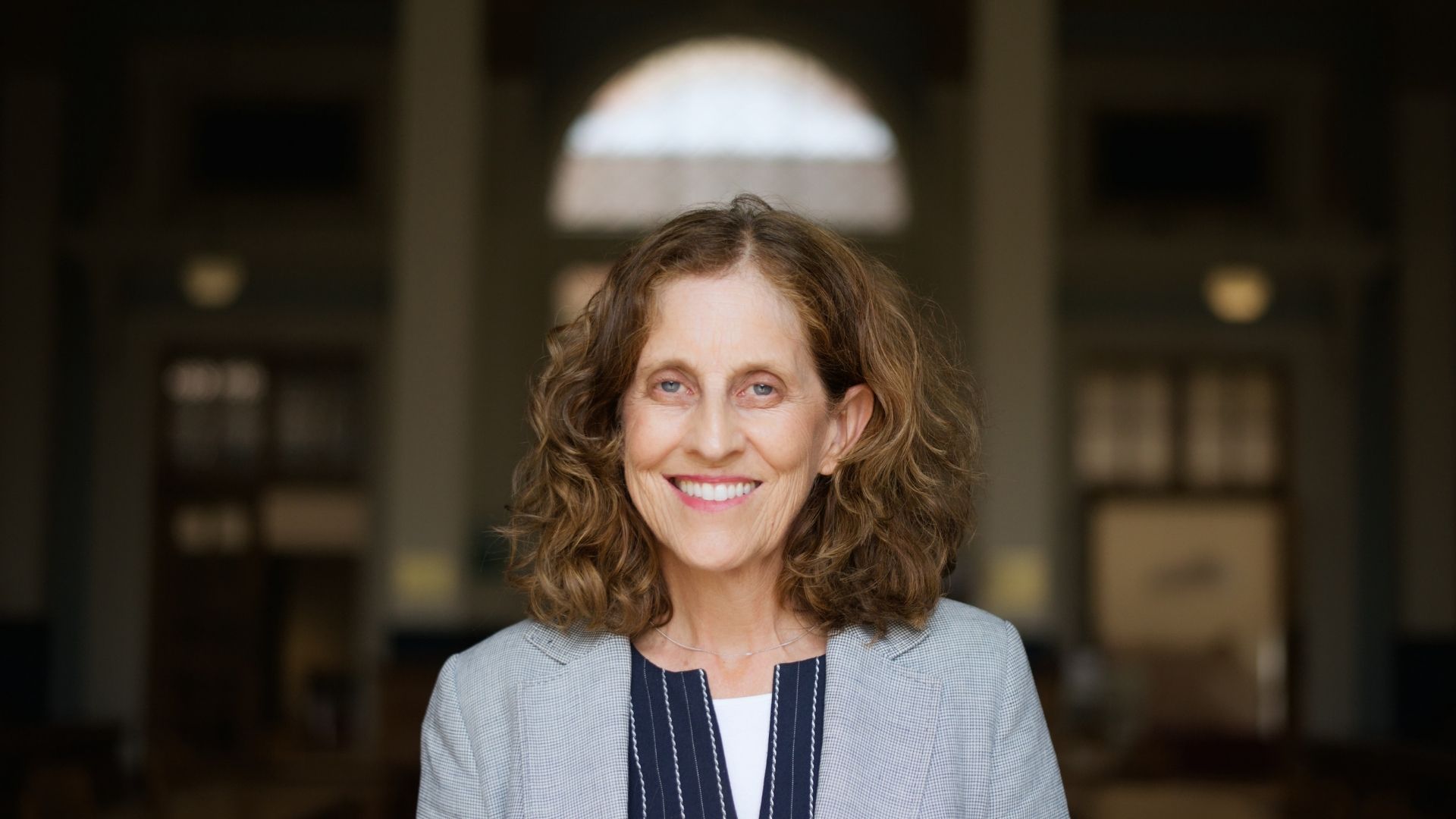
What it meant to be an Australian changed during Humphries’ 70-year career. The way it continues to evolve is part of what Anne Pender studies and teaches.
As Kidman Chair in Australian Studies, her role is to teach and research in Australian literary and theatre studies.
The subject matter, naturally, continues to change as new works are presented by an increasingly diverse array of people with broader cultural backgrounds.
“Obviously we are a nation of First Nations people and immigrants,” she says.
“Yet some people may live here for decades and never call themselves an Australian, because they relate more to their country of origin.”
Until recently Anne was also the director of the J.M. Coetzee Centre for Creative Practice, a cross-disciplinary research and cultural hub at Adelaide University which unites artists and researchers across creative writing, literature, music and the performing arts.
The way the voices of Australia are evolving is highlighted by the fact that two of its recent PhD graduates – Iranian-born Dr Hossein Asgari and Dr Lyn Dickens, of mixed Singaporean Peranakan Chinese and Anglo Celtic Australian descent – have been listed for Australia’s most eminent literary award, the Miles Franklin, which celebrates novels that presents Australian life in any of its phases.