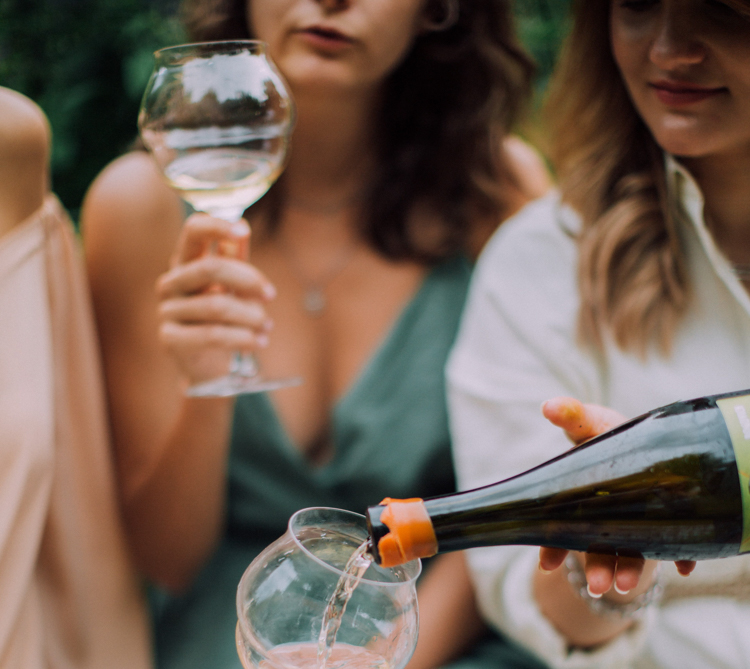
Wine tourism is a growing trend in Australian leisure culture, but new research has opened the bottle on a different perspective for the first time.
Across a 10-month period, Adelaide University PhD candidate Janine Aujard spoke to 29 women between the ages of 22 and 73 while they were touring wineries in McLaren Vale.
"Research has examined the importance of wine tourism in a broad socio-economic level, but until now less attention has been given to the gendered practices of a wine tour and how women use these as a specific form of self-directed leisure," Aujard said.
"These tours were consistently referred to by the participants as 'me time' - a temporary respite of sorts from their everyday demands, responsibilities and life, enforced by the persistent cultural expectation that women should prioritise others’ needs above their own."
The findings have been published in the Journal of Leisure Research.
Aujard, from Adelaide University's School of Society and Culture, said the tours were rarely just about consuming wine. They became spaces where women could negotiate maternal identities, experience pleasure and suspend the demands of care work.
"This experience of being temporarily relieved of decision-making responsibility emerged repeatedly in conversations," Aujard said.
"Many women described the mental load of managing household logistics, coordinating schedules, anticipating needs, and solving problems.
"Wine tours, with their pre-planned itineraries and organised transportation, offer respite from this cognitive burden."
However, the trips were not without their difficulties. The women described increased preparatory labour to ready spouses – however capable – to fend for themselves.
"Many of the women also described feeling guilty about taking time away from their families, even if they intellectually realised they deserved and needed the time," Aujard said.
"This guilt reflects deeply internalised norms of intensive motherhood and female self-sacrifice, and a need to qualify the trip with structure and intent – like supporting local businesses.
"They felt the tour provided a culturally sanctioned framework for claiming time that women might otherwise feel unable to take."
Participants also expressed concern about the stigmatisation of drinking, and being seen as messy or drunk.
"There’s definitely judgment. If mums get together to drink wine, we’re irresponsible. But dads having a beer while watching football? That’s normal. So, there’s always this little voice in my head saying I shouldn’t enjoy this too much," one participant said.
Aujard said the trips were perhaps most significant to some participants in helping sustain friendships.
"Female friendships serve crucial functions in women’s lives, providing emotional support, practical assistance, identity validation, and sources of joy that are independent of relationships with partners or children," she said.
"Friendships require sustained investment of time and emotional energy resources that are often scarce for women juggling paid work, domestic labour, and caregiving responsibilities, so these tours created a dedicated time and space for connection."
By asserting the need for “me-time”, women are resisting culture narratives that position them as infinitely available for others.
But, Aujard said, it doesn’t address the structural conditions like unequal divisions of domestic labour and the push from workplaces for constant availability.
"Perhaps the most fundamental issue illuminated by this study concerns time itself - who has access to it, how it is valued, and what claims to time are deemed legitimate," she said.