Sculptures and features

AU

Highlights of the Arboretum include a splendid avenue of 68 Dutch Elms dating back to 1928, a watercourse flanked by a palm and cycad walk, and carefully placed sculptures.

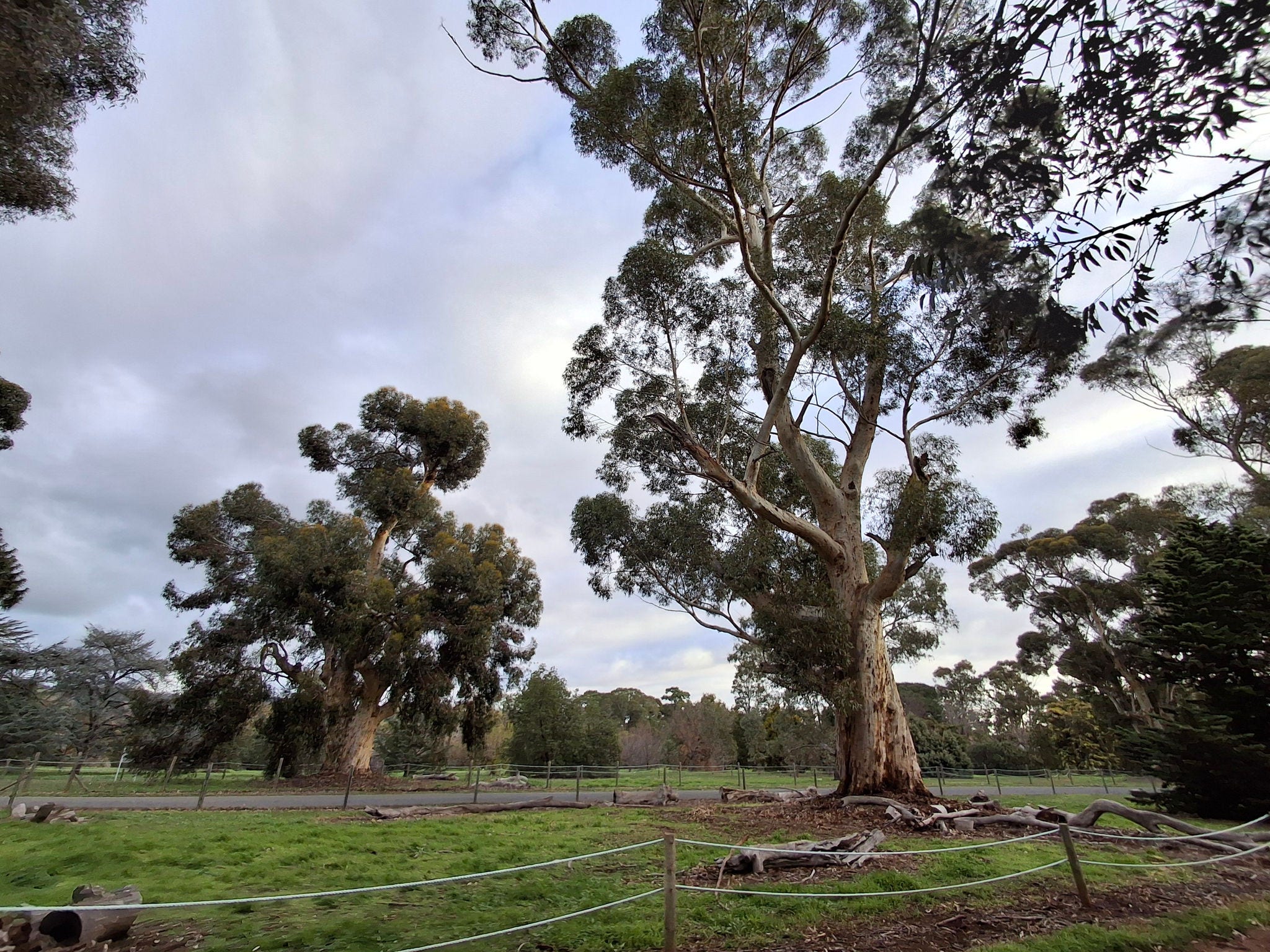
The collection is arranged into Australian and exotic sections and in taxonomic groupings within those areas. At the entrance, ten imposing Sugar Gums planted by Peter Waite in 1877 lead to a fragrant avenue of Lemon-scented Gums lining the driveway. Every tree is labelled and mapped, with ample spacing to showcase its individual form.

Sculptures can be found throughout the Waite Arboretum and the Urrbrae House Gardens – discover more about these and other special features at the Precinct.


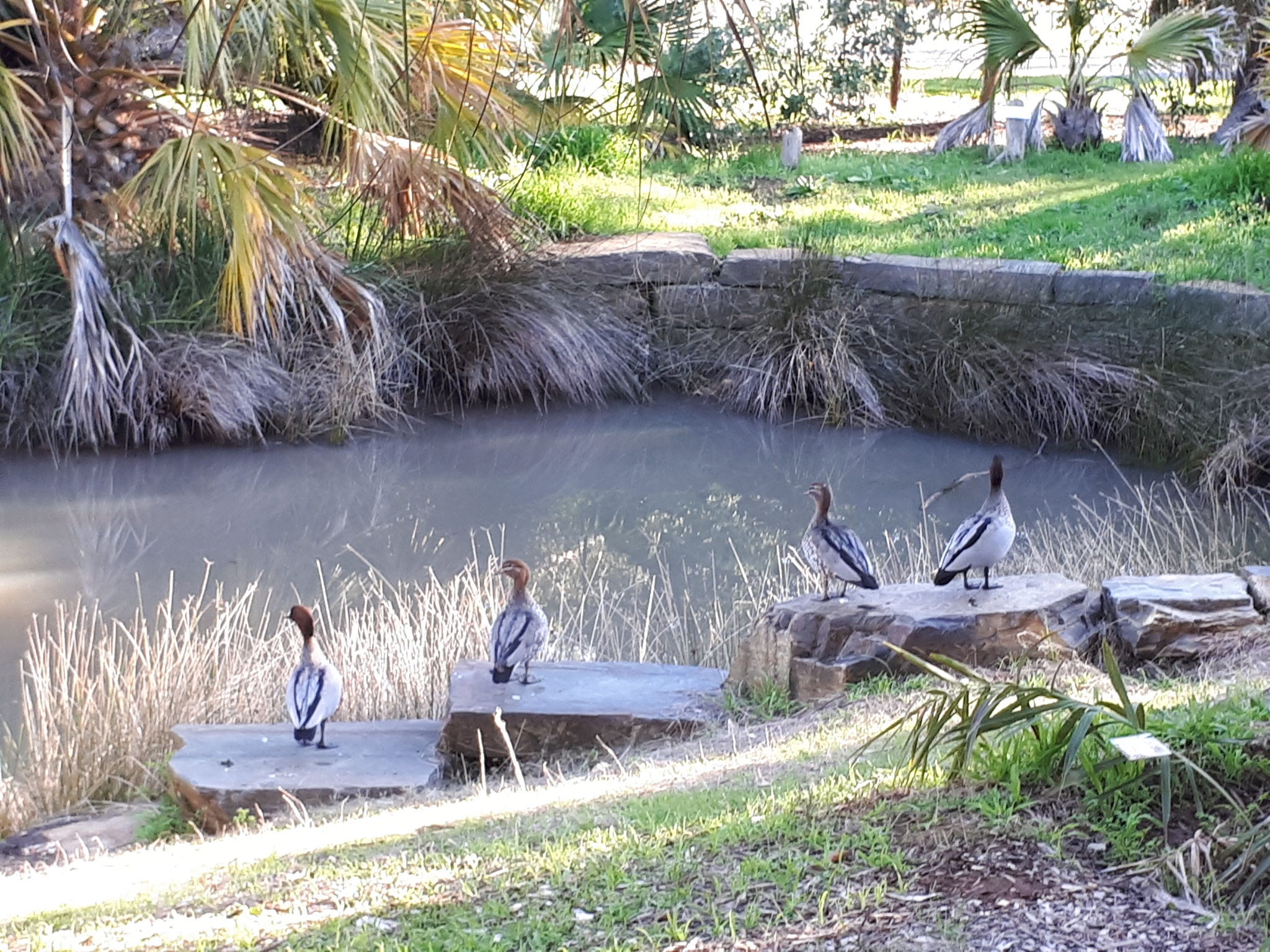
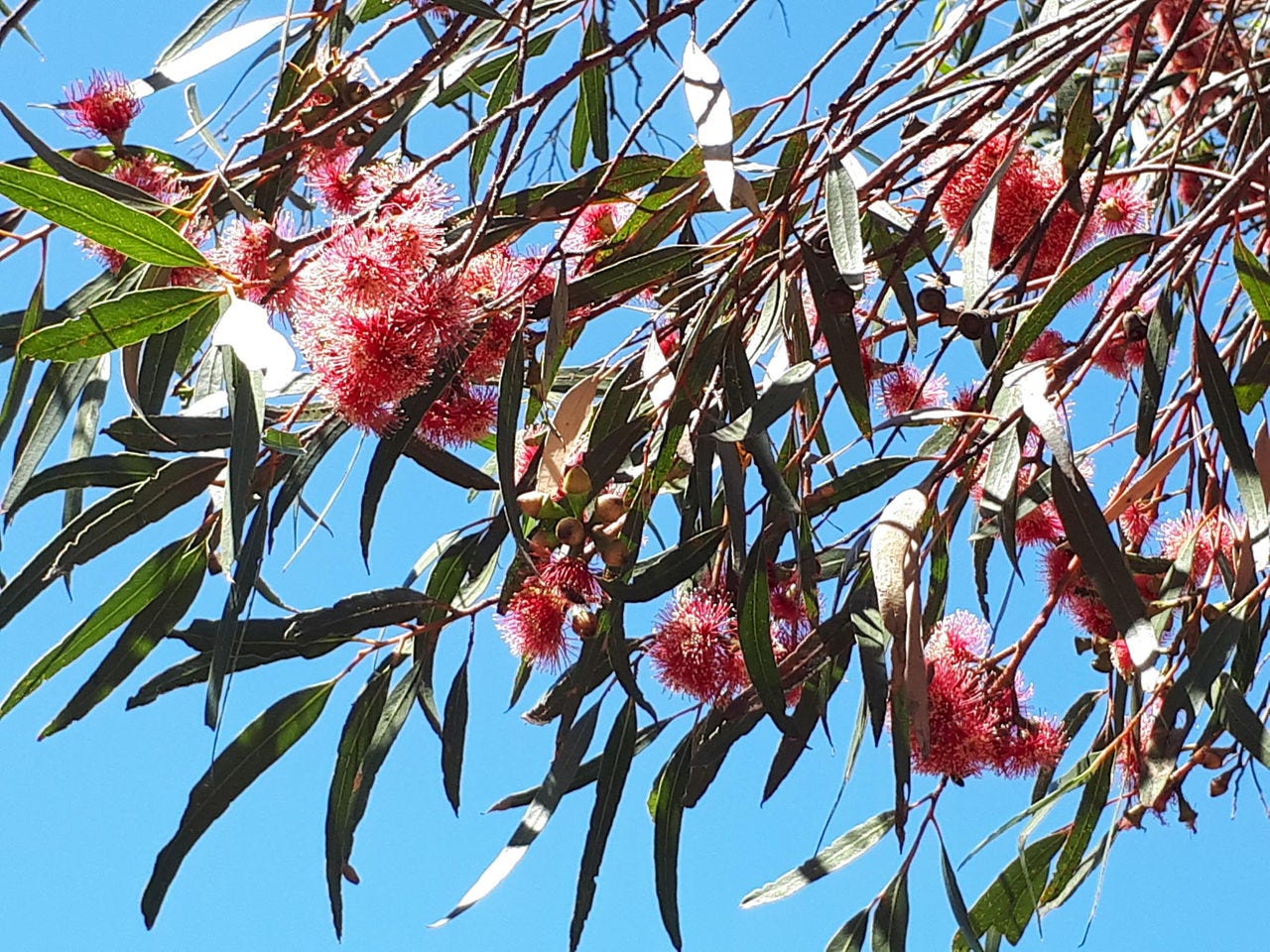
On any given day of the year, more than 50 trees in the Arboretum are flowering or fruiting, attracting nectar-feeding birds and vibrant parrots. The watercourse, lake, and its floating island attract waterbirds daily, with ducks, geese, cormorants, pelicans, grebes, egrets, and herons visiting at different times. Mature eucalypts in the Arboretum provide nesting hollows – which take decades to develop- offering crucial homes for wildlife year-round.

The Waite Arboretum and Urrbrae House Gardens are also designated butterfly conservation sites.

Birds of the Waite Arboretum, by Max Possingham

Part 1

Part 2

Part 3

n 1928, a stunning avenue of 68 Dutch Elms was planted to frame the view from the newly constructed Waite Institute building to the sea. The avenue elegantly marks the changing seasons, with fresh green leaves in spring and a golden display in autumn. The Elm Avenue, along with several special collections and the Arboretum itself, is proudly listed on both the State Heritage and National Trust Register of Significant Trees. 

Waite Arboretum is home to several rare and uncommon tree species not often found in public collections. Among them is Waddy or Acacia peuce, a tree that naturally occurs in only a few colonies east and west of the Simpson Desert in central Australia. Known for its exceptionally hard timber, Waddy is slow-growing and highly drought-tolerant.

Another remarkable species is Cape Ebony or Euclea pseudebenus, a small yet striking tree with graceful, pendant branches. Native to the arid stony and sandy deserts of Southwest Africa, it thrives in areas with very low rainfall, showcasing its resilience in harsh conditions.

The Arboretum is home to over 20 species listed on the International Union for the Conservation of Nature’s Red List of Threatened Species –  IUCN
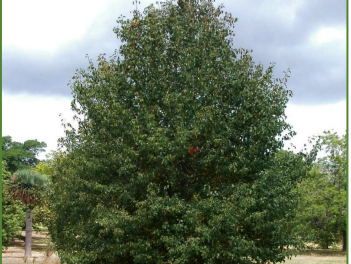
Grey Box Eucalyptus microcarpa, Red Gum E. camaldulensis and Blue Gum E. leucoxylon occur naturally in this area, with some pre-settlement trees still remaining. Native shrubs include Golden Wattle Acacia pycnantha, Sweet Bursaria Bursaria spinosa, Sticky Hop-bush Dodonaea viscosa , Native Apricot Pittosporum angustifolium and Native Lilac Hardenbergia violacea.

Sheep were once used to manage grass, but after grazing ceased in 1991, the native understorey has regenerated. Now, Wallaby-grass Rytidosperma species, Spear-grass Austrostipa species, Climbing Saltbush Einadia nutans and Windmill-grass Chloris truncata thrive, along with other small native plants. The Arboretum preserves valuable remnants of the original Adelaide Plains flora.

The watercourse development began in 1994, with meanders, ponds, and native water plants. Originally built by Peter Waite in the early 1900s, the dam has since been enlarged and now receives water from both a bore and stormwater. A palm and cycad walk has been established along the watercourse, in collaboration with the Palm & Cycad Society of SA. 

watercourse

Contact us

Waite Historic Precinct

Telephone

(08) 8313 7497

Email

urrbraehouse@adelaide.edu.au