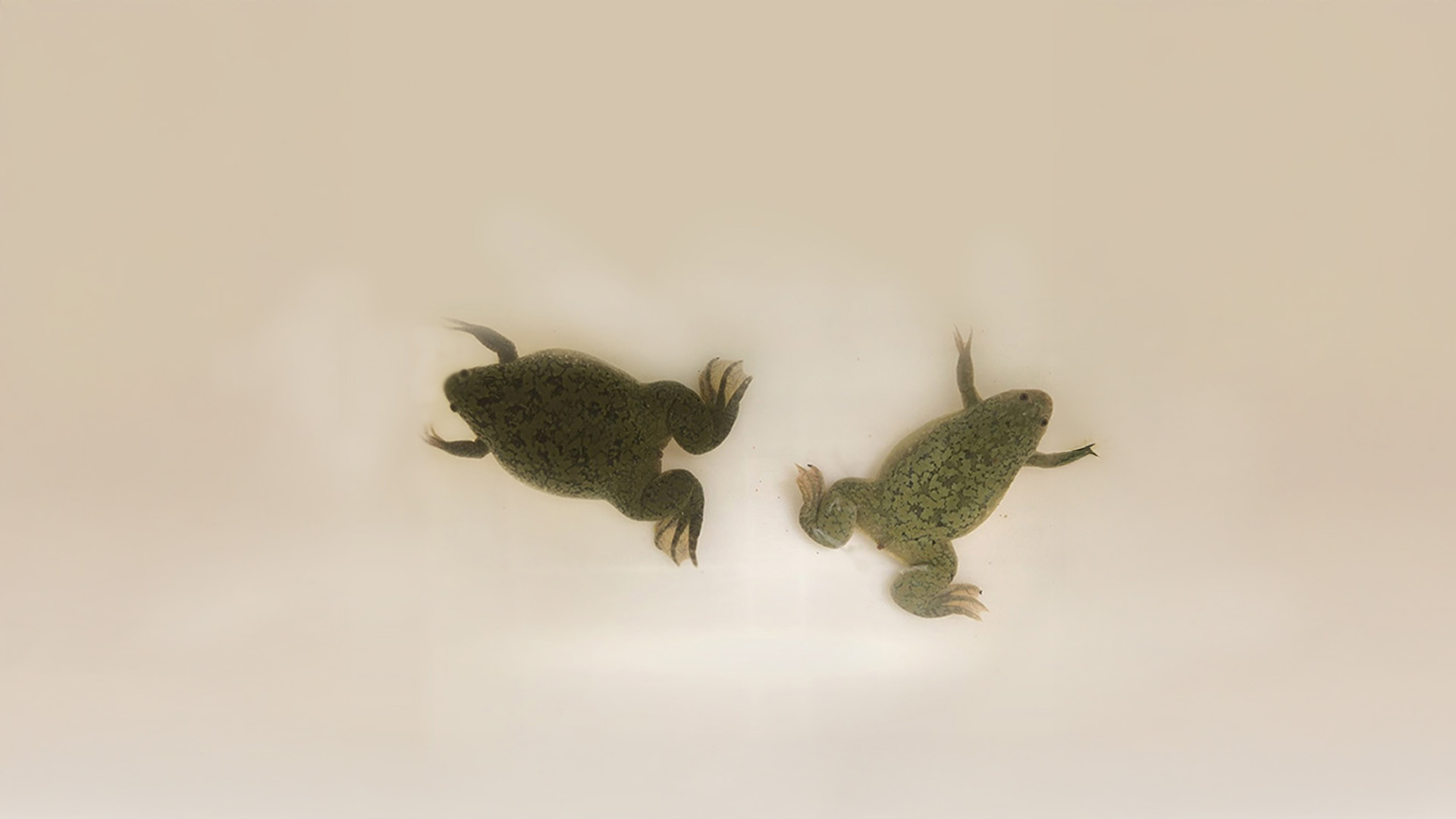
The AHMS animal facilities support biomedical research within the West End Health Precinct. First opened in 2018, the animal facility includes two designated holding areas for rodents, all under OGTR certified PC2 conditions.
Area 1. Commonly known as the BRF (Biomedical Research Facility), the clean facility is designed to maintain a Specific Pathogen Free (SPF) health status, making it ideal for immunocompromised animals and long-term studies. The BRF is inclusive of four animal holding rooms and three laboratory spaces.
- Strict exclusion procedures are enforced to maintain the SPF status. This includes but is not limited to working within a cage changing station, using Individually Ventilated Caging (IVC), HEPA filtered air in all areas, autoclaved materials, and requiring a high level of Personal Protective Equipment (PPE).
- Animal entry is restricted to authorised suppliers, and animals removed from the facility do not return to this area.
- Two of the three laboratory spaces contain Class II Biosafety Cabinets. All three laboratory spaces are fitted for anaesthesia and surgical procedures as well as C02 delivery. Specialised equipment like microscopes, centrifuges, behavioural equipment are decontaminated via Vaporised Hydrogen Peroxide prior to entry. Technical equipment (computers, printers etc.) is supplied within the facility as basic supplies like lab books are not brought in.
- There is laboratory space available for behavioural testing, and procedures such as overnight recording, but need to be discussed with the Team Leader to ensure availability of space.
Area 2. Commonly known as the LGHRs (lower ground holding rooms) these two animal holding rooms have a lower health status and are designed for short-term use.
- The holding capacity in these two areas is vastly reduced compared to the BRF due to this short-term intention.
- The LGHRs do not have a laboratory space attached, and so only basic handling, monitoring, weighing, and basic injections can be completed within the animal holding room. All surgical procedures, blood collection, behavioural testing, intensive monitoring, and end-point sample collection is completed elsewhere within the building.
- Animals that transient to other floors are housed in the LGHRs as there is a higher risk for attracting an unwanted pathogen when entering areas of the building without HEPA filtered air, autoclaved materials, cage changing stations, and lesser PPE requirements.
- Immunocompromised animals can be accommodated within the LGHRs with limitations.
While transport within the building is accepted animals are not kept overnight in any of the laboratory spaces on the research floors.