Adelaide Endometriosis Research Group

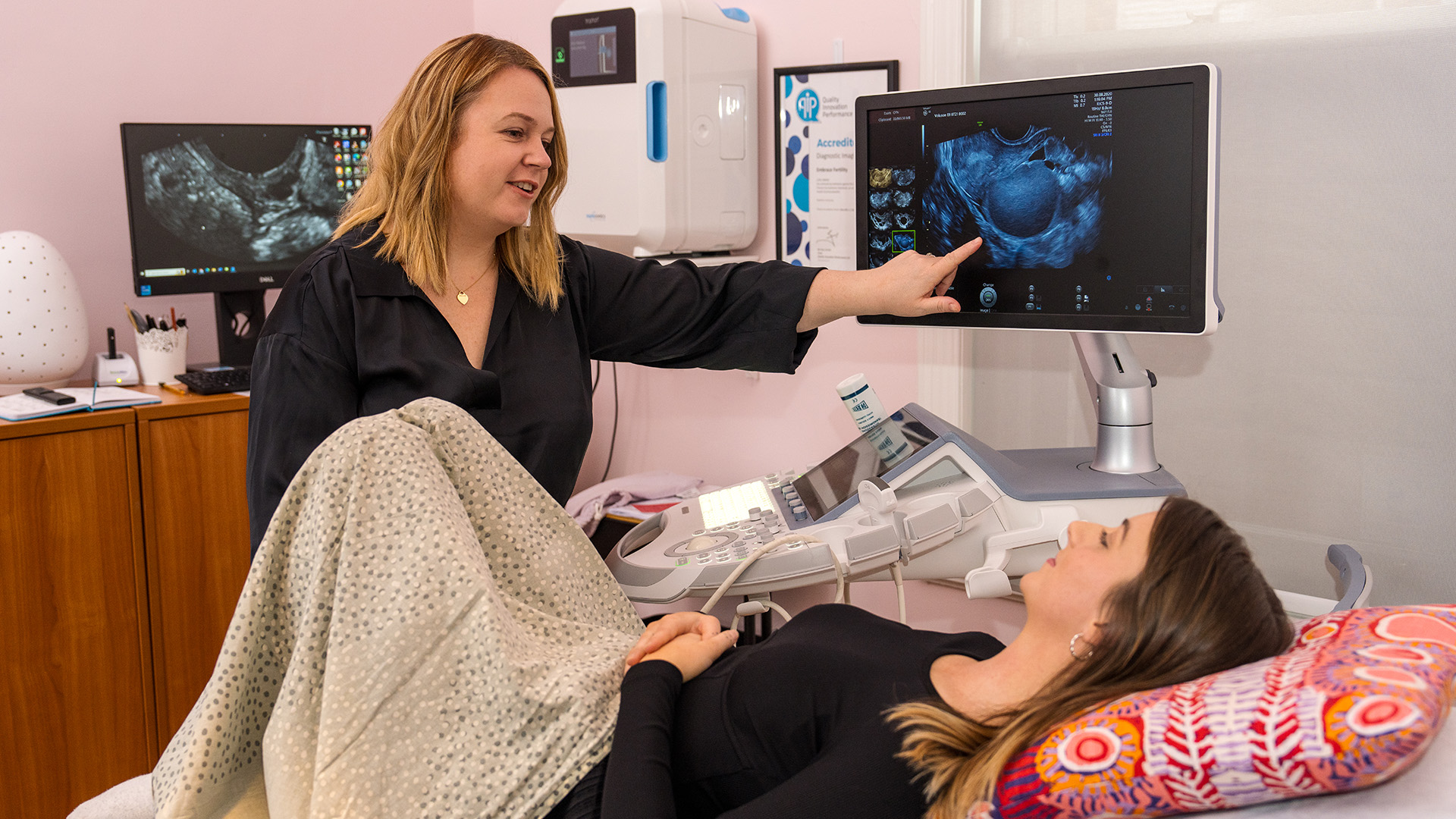
Researchers with a patient

About the Adelaide Endometriosis Research Group

Transforming the way endometriosis is diagnosed, managed, and understood.

The Adelaide Endometriosis Research Group is dedicated to transforming the way endometriosis is diagnosed, managed, and understood. Endometriosis is a chronic disease affecting one in seven women or those assigned female at birth that currently takes, on average, more than six years to diagnose.

Led by Professor Louise Hull and Associate Professor Jodie Avery, the group brings together clinicians, scientists, data specialists, and consumers to advance evidence-based care, improve early and accessible diagnosis, and empower people and families affected by endometriosis.

Through innovative projects such as EndoZone and IMAGENDO® – a new technology to diagnose endometriosis via imaging and the use of artificial intelligence (AI) – the team is driving impactful research that aims to reduce diagnostic delays, improve patient experiences, and shape the future of endometriosis health care.

The group is currently supported by Commonwealth Government Funding, through the Medical Research Future Fund, NHMRC, and the AEA Ignite programme as well as through Endometriosis Australia.

Health medical icon

Using machine learning to combine and analyse medical imaging for diagnosis of endometriosis.

Persona database icon

Providing evidence-based digital information for the management of endometriosis.

Technology, computing and AI industry icon

Developing, validating, and implementing AI-enabled tools, digital platforms, workforce training systems, and real-world evaluation frameworks for endometriosis.

Photo gallery icon

Building and leveraging the world’s largest repository of endometriosis imaging.

Explore the Adelaide Endometriosis Research Group

Through current projects such as IMAGENDO®, a patented prototype aiming to remove the surgical diagnostic barrier by developing a novel, accessible, cost-effective, non-invasive diagnostic tool for endometriosis, the team delivers:

  • Fast, accessible, non-invasive diagnosis of endometriosis – reducing the historical diagnostic delay of over six years
  • Fertility preservation through earlier diagnosis
  • Improved patient experience and mental health
  • Decreased burden on health care system through reduced need for laparoscopic surgery and hospital admissions
  • Healthcare guidelines policy impact - ESHRE, RANZCOG and ACOG guidelines now recommend imaging for diagnosing endometriosis. However, if the findings from imaging are negative, this does not completely exclude endometriosis.
  • Evidence-based information and community resources through EndoZone for those affected by endometriosis.
Professor Louise Hull

Head of Adelaide Endometriosis Research Group | Robinson Research Institute Accelerator Programme Co-Lead - Chronic Reproductive Conditions

Associate Professor Jodie Avery

Program Director, IMAGENDO, | Robinson Research Institute Accelerator Programme Co-Lead - Chronic Reproductive Conditions


IMAGENDO®, funded by an MRFF 2021 PHRDI grant and led by researchers at Adelaide University aims to remove the surgical diagnostic barrier by developing a novel, accessible, cost-effective, non-invasive diagnostic tool for endometriosis. IMAGENDO is an Artificial Intelligence (AI) algorithm, combining the diagnostic capacity of specialist endometriosis transvaginal ultrasound (eTVUS) and endometriosis magnetic resonance imaging (eMRI) scans.

A new focus of the project is on adolescents, a group disproportionally impacted by the effects of the condition. Ad-IMAGENDO® is looking to enhance outcomes for young people with endometriosis through reduction of diagnostic delay.

Funded through a 2025 NHMRC Ideas Grant, Ad-IMAGENDO aims to determine the health and economic impact of diagnosing endometriosis non-invasively using AI and imaging in young people and to validate the IMAGENDO® algorithm in adolescent and young people (14-25 years) presumed female at birth.

It also seeks to estimate the prevalence of endometriosis in young people using an imaging diagnosis and to assess the impact of an imaging diagnosis of endometriosis on life outcomes, quality of life and health care costs.

IMAGENDO® was awarded the 2023 Australian Museum EUREKA Prize for Innovative Use of Technology.

AIMEE (Artificial Intelligence Mentor for Endometriosis Education) is an innovative learning platform designed to support sonographers in developing expertise in endometriosis ultrasound. Using artificial intelligence and structured education, AIMEE provides real-time guidance on image interpretation, scanning technique, and systematic assessment of the pelvis.

The platform aims to bridge the gap between theory and real-world practice by helping learners recognise key anatomical landmarks and pathological features associated with endometriosis. By combining structured education with intelligent feedback, AIMEE supports consistent, high-quality ultrasound assessment and empowers clinicians to improve the detection, reporting, and overall care of patients with suspected endometriosis.

The first generation of AIMEE which provides structured online education is now available in the Apple App Store and Google Play. The next generation will include the novel AI interface allowing for real-time feedback in the scanning room.

EndoZone is an evidence-based online resource for endometriosis, designed to provide facts, practical tools and support to people living with the condition and their caregivers. The platform was developed through a collaboration between researchers, clinicians, health professionals and endometriosis organisations in Australia, with active participation from people living with endometriosis to ensure that the content meets the real needs of the community.

It provides free access to information about symptoms, diagnosis and management of endometriosis, as well as tools such as symptom checks and reports that can be used during a doctor's visit.

EndoZone was created to fill a significant gap in information and support around endometriosis, offering a central, trusted and easily accessible digital platform for patients, families and healthcare professionals. The project was developed with funding from the Australian Government through the Department of Health, and the Jean Hailes for Women’s Health, as part of the National Endometriosis Action Plan.

Contact Adelaide Endometriosis Research Group

Location

Location
Adelaide Endometriosis Research Group
School of Medicine
Robinson Research Institute
Adelaide University
55 King William Rd North Adelaide, SA 5006

Telephone

Phone: +61 8 8313 1217

Email

Email: endostudy@adelaide.edu.au

Contact us

Robinson Research Institute

Location

Location
Robinson Research Institute
Adelaide University
Ground Floor, Norwich House
55 King William Road
North Adelaide, SA 5006

Email

Email: robinsonresearch@adelaide.edu.au