The Microbiome in Reproduction Laboratory

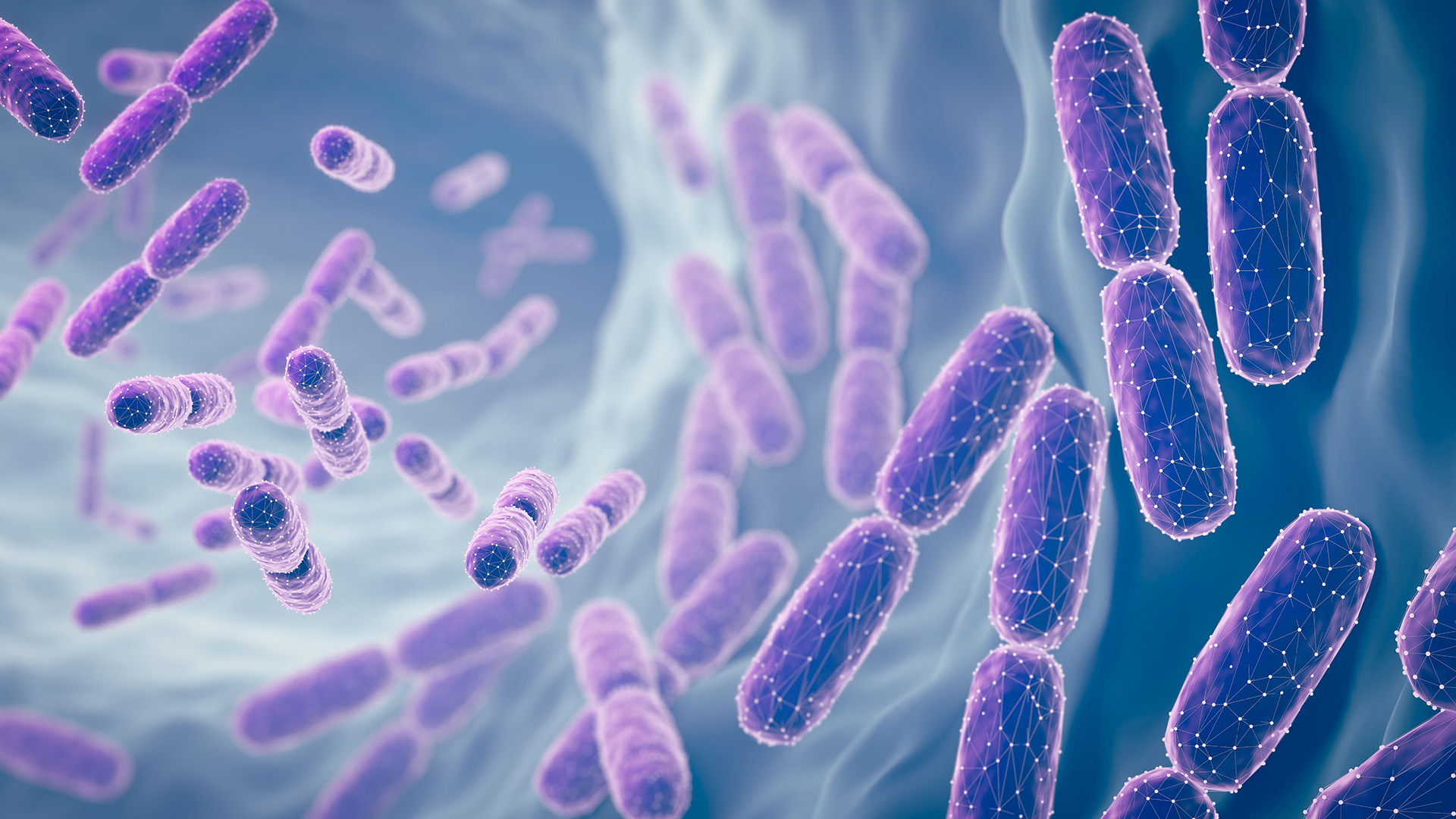
Microbiome microscope image

About the Microbiome in Reproduction Laboratory

The female reproductive tract is home to microbial populations, called the microbiome, that are important mediators of reproductive health. Our research investigates how these dynamic communities of bacteria, viruses, archaea and fungi interact with each other and their host, and how they influence host physiology to contribute to reproductive health.

By investigating the factors that influence the composition of the reproductive tract microbiome, we aim to understand the mechanisms linking microbial composition to conditions such as endometriosis, pre-term birth, fertility, sexually transmitted infections and general reproductive well-being. We use a combination of experimental approaches, including culturing and molecular techniques, with computational analyses to understand how microbes are contributing to health and disease. Our goal is to gain insights into the complexities of these microbial communities and leverage this knowledge to pave the way for targeted microbiome therapies to improve reproductive health

Baby sleeping icon

Microbiome profiling

Persona database icon

Bioinformatics

Baby food nutrition icon

Microbial culturing and molecular microbiology

Books icon

High-throughput phenotyping

Medical book icon

In vitro modelling of host-microbiome interactions

Explore the Microbiome in Reproduction Laboratory

Many reproductive health conditions remain difficult to diagnose and treat. The female reproductive tract microbiome is one potential avenue to improve clinical outcomes. However, the mechanisms linking the microbiome to reproductive health are not yet completely understood, and the factors that shape or disrupt these ecosystems are also only partly defined. Our research is uncovering associations between the microbiome and reproductive diseases to discover new mechanisms shaping microbial community structure. These foundational insights have the potential to inform new diagnostic approaches and therapeutic strategies for modulating reproductive tract microbiome composition.

Professor David MacIntyre

Group leader

Dr Remy Young

Postdoctoral Research Fellow


Around 11% of women are estimated to suffer from endometriosis, which can cause severe pelvic pain, heavy periods and possible infertility. However, many cases may go undiagnosed or require surgical investigations, highlighting the need for new diagnostics. Menstrual blood contains metabolites, immune cells and microorganisms that together, play an important role in shaping reproductive health. This project aims to understand if menstrual blood collected from tampons can be used to detect and study metabolites, chemokines and microbes, that would otherwise have been thrown out as a ‘waste’ product. Understanding if tampons can be used to study the reproductive tract microbiome may inform future studies that could lead to the identification of biomarkers for endometriosis and other reproductive conditions.

Bacteriophages ('phages') are viruses that infect bacteria and are abundant across ecosystems, from oceans to soil and the human gut. In many of these environments, phages have been shown to play a critical role in shaping microbial community structure. Despite this, very little is known about phages within the reproductive tract. This project investigates the viral component of the reproductive tract microbiome, examining the diversity, distribution and influence of phages on the overall structure of the microbiome. By understanding how phages shape microbial communities in the reproductive tract, this work aims to lay the foundation for future phage-based microbiome therapies to support reproductive health.

We have recently shown that sugar structures called ‘glycans’, which decorate the surface of cells and proteins in the reproductive tract, are important mediators of vaginal microbe colonisation dynamics and immune responses. We are now building on these findings to determine how specific glycan-mediated binding and immune-regulatory mechanisms could be leveraged to develop new strategies for shaping microbiome composition and host responses that promote optimal reproductive health.

Contact the Microbiome in Reproduction Laboratory

Location

Location
Microbiome in Reproduction Laboratory
Robinson Research Institute, Adelaide University, L5, Adelaide Health and Medical Sciences Building, Adelaide, SA 5000

Telephone

Phone: +61 8 8313 1435

Email

Email: david.macintyre@adelaide.edu.au

Contact us

Robinson Research Institute

Location

Location
Robinson Research Institute
Adelaide University
Ground Floor, Norwich House
55 King William Road
North Adelaide, SA 5006

Email

Email: robinsonresearch@adelaide.edu.au