Centre for Automotive Safety Research

Car safety research

Driving safety through research and innovation

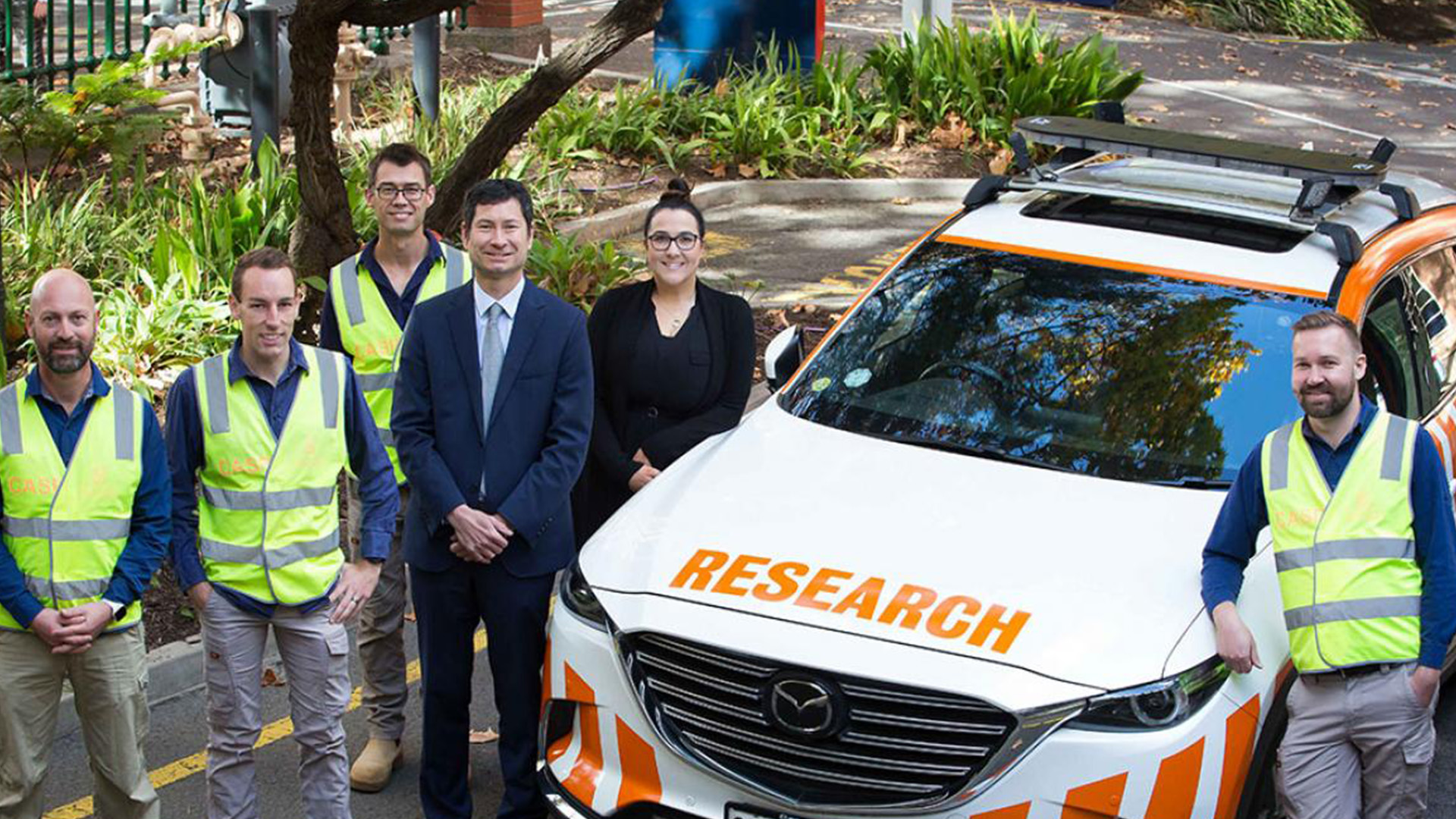
At the Centre for Automotive Safety Research (CASR) we seek to understand the many factors contributing to road crashes, with the goal of eliminating harm from our road system.

CASR undertakes a broad range of road safety research and provides independent advice to government and industry. With a multidisciplinary team incorporating engineers, behavioural scientists, health researchers and data analysts, our expertise covers road user safety, safe infrastructure, vehicle technology and design, and speed management.

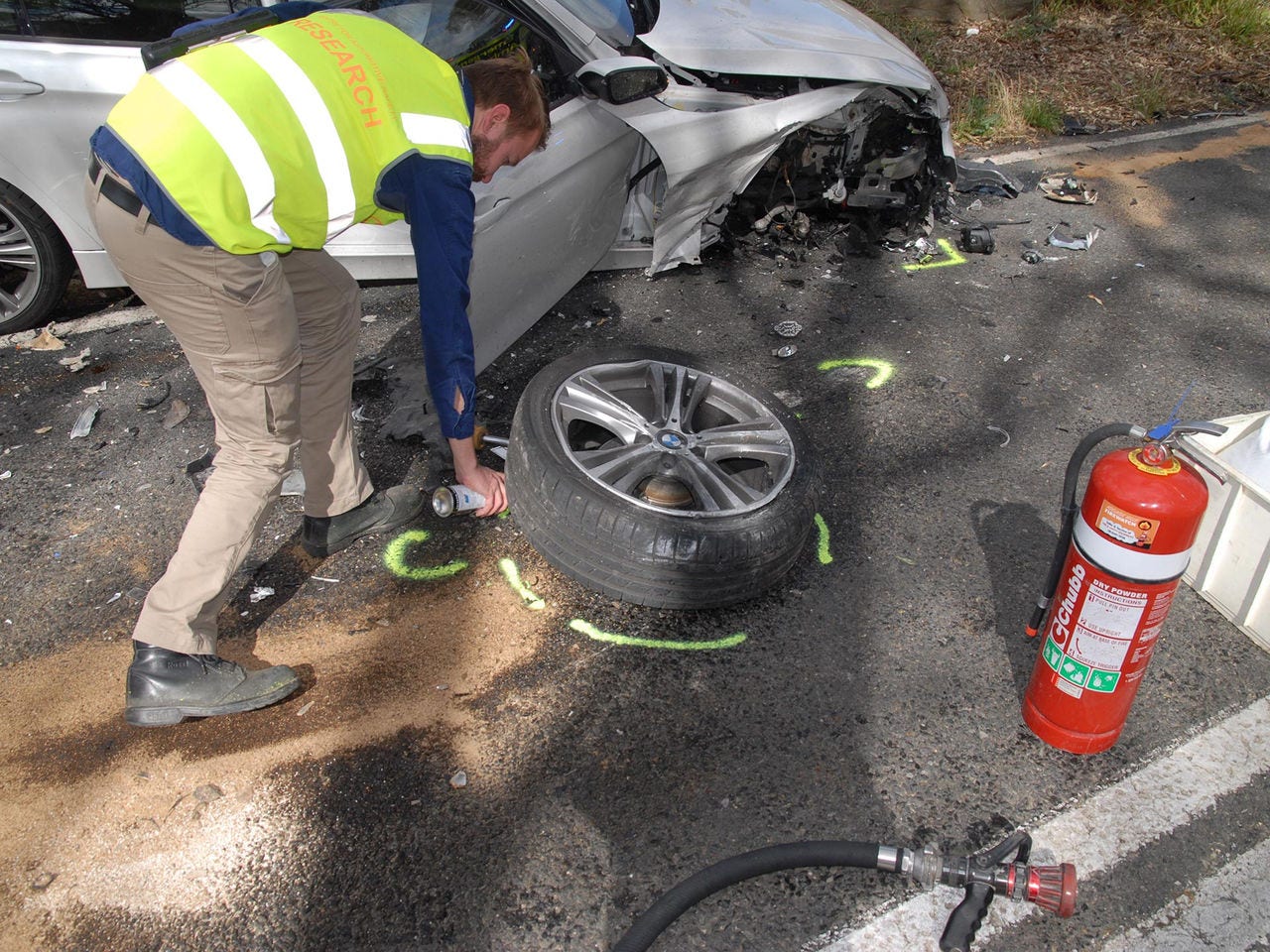
Our research approaches include at-scene road crash investigation and reconstruction, mass data analysis, countermeasure evaluation, vehicle impact testing, computer modelling and experimental studies.

Explore our research

CASR conducts high-quality research to inform rational decision-making in the development and implementation of road safety countermeasures.

Engage with us

Engage with us for expert research or consultancy to guide evidence-based policy or practice in the field of road safety.

Explore the Centre for Automotive Safety Research

Our experienced, multidisciplinary team seeks to understand how crashes and their resulting injuries are caused; and identify effective ways to eliminate harm on our roads. Based on this research, CASR regularly provides independent professional advice on road safety matters to government and non-government organisations in Australia and overseas.

Consulting services

We provide trusted and independent professional advice, research and evaluation services on road safety matters for government and non-government organisations across Australia and internationally, and work directly with individual organisations to address specific road safety needs. We also deliver tailored, expert-led crash investigation training to build capability, support best practice and strengthen road safety outcomes.

Our expertise spans a broad range of areas, including licensing systems, enforcement practices, vehicle speeds, medical fitness to drive, impaired driving (alcohol, drugs and fatigue), driver distraction, in-depth crash investigation, data collection and linkage, injury analysis, vulnerable road users (including cyclists, motorcyclists and pedestrians), infrastructure design and evaluation, and vehicle safety performance assessments such as pedestrian impact protection and child presence detection.


We investigate the role of human operators in road crashes and explore potential interventions to prevent crashes or reduce their impact. Road user safety is essential to reducing the significant human and economic burden of road trauma, recognising that human behaviour plays a central role in most crashes. Adopting a Safe System approach, our Road User Safety research focuses on research that supports the design and management of a transport system that anticipates human error and minimises its consequences. This includes improving the safety of road users, vehicles, roads, and speeds, with the ultimate aim of preventing deaths and serious injuries on our roads.

Our research advances understanding of how road users contribute to crash risk and identifies effective, evidence-based interventions to prevent crashes and reduce injury severity. This includes a strong focus on driver training and licensing systems, law enforcement practices, and behaviour change and education initiatives.

Our work directly benefits all road users - drivers, motorcyclists, cyclists, and pedestrians – while informing government policy and guiding the development of safer road systems. By anticipating how people respond to changes in vehicle technology, road environments, and speed limits, we help ensure that improvements across the system translate into real-world safety gains.

Road user safety

Research into safe road infrastructure informs the development of forgiving road environments through improved infrastructure planning, design, maintenance and management.

Our researchers’ particular areas of focus include:

  • planning and investment of road safety infrastructure
  • efficacy of infrastructure treatments in reducing road related trauma
  • discovery of infrastructure treatments that will contribute to eliminating road deaths and injury
  • link between specific road design features and mechanisms of injury.

This work benefits, and is of immediate relevance to, all road users, whether they be drivers, motorcyclists, cyclists or pedestrians. It also influences government policy and practice, and can assist:

  • road funders
  • private road operators
  • consulting firms
  • companies with private vehicle networks and/or large fleets
  • organisations involved in regional and urban development and planning.
Safe road infrastructure

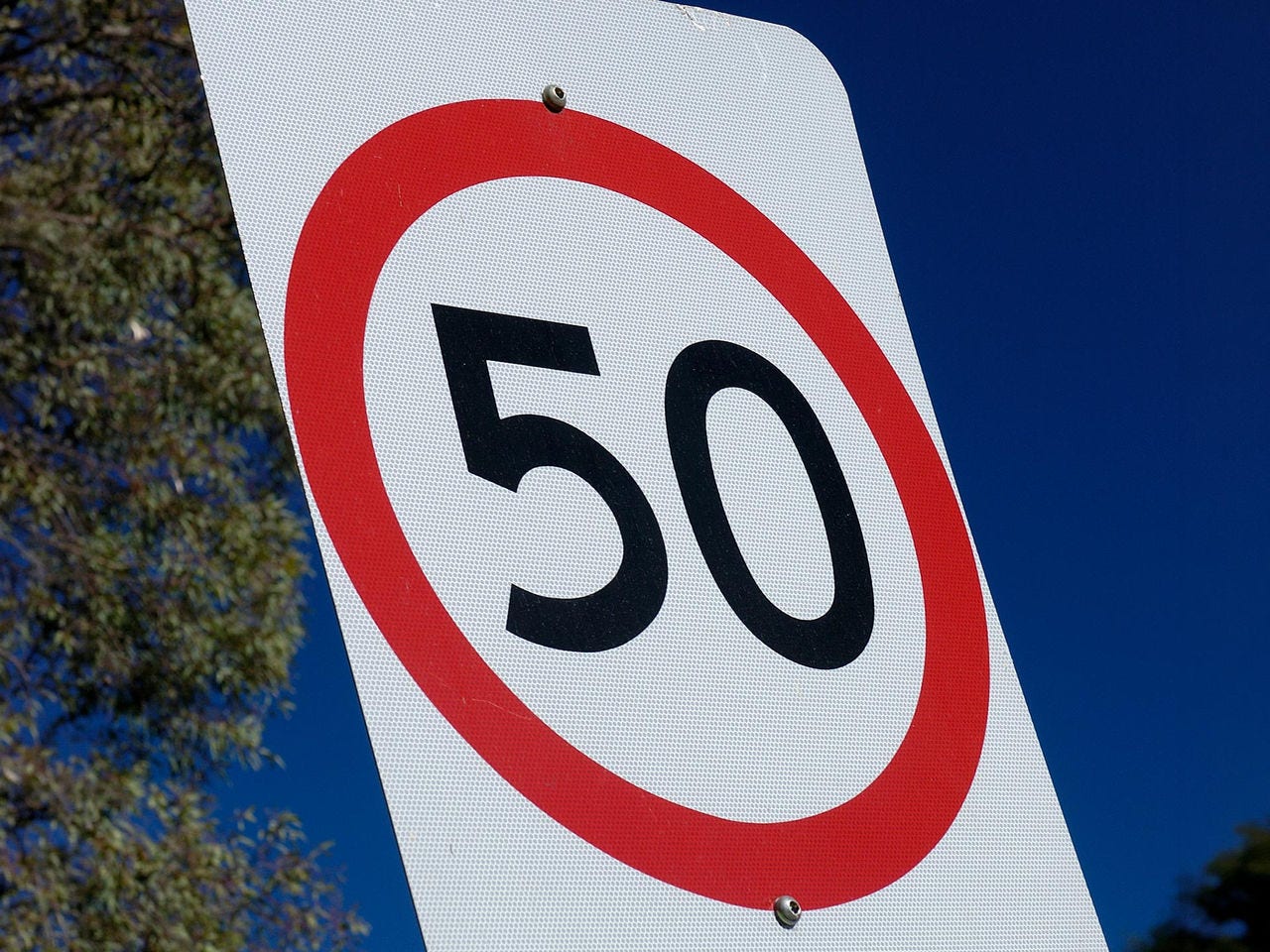
Research into safe speeds examines the relationship between vehicle speeds, speed limits, and road crashes. Areas of focus include:

  • how speed impacts crash outcomes
  • the impact of speeding on road trauma, and ways to reduce it
  • predicting and evaluating the effect of changing speed limits, speed cameras and infrastructure
  • understanding issues affecting community acceptance of speed management initiatives
  • measuring vehicle speeds in a systematic way to track them over time.

This work benefits and is of immediate relevance to all road users, whether they be drivers, motorcyclists, cyclists or pedestrians. It also influences government policy and practice and is of great value to organisations operating vehicle fleets or private roads.

Safe speeds

Research into safer vehicles is grounded in our wealth of unique and detailed crash data. This data enables us to identify opportunities for improvement in the way vehicles on our roads assist drivers to avoid crashes and protect people when crashes do occur.

We identify opportunities to improve vehicle designs in order to prevent or minimise harm resulting from road use, including to pedestrians and cyclists. We consider improvements to both material design and technological features in all types of road vehicles. We consider all road-going vehicles: cars, trucks, buses, motorcycles, and e-scooters, and some farm or off-road vehicles.

Our research is particularly focused on:

  • Early prediction of the benefit of emerging vehicle safety technologies in real-world conditions
  • How vehicles perform in real-world situations
  • Development of vehicle safety tests that will translate to optimal real-world performance
  • Identifying emerging safety issues related to new technologies or vehicle types
  • How safety technology uptake throughout the general vehicle fleet will affect overall safety.

This vehicle safety research ultimately benefits all road users, and is of immediate relevance to companies, organisations and government bodies working in vehicle safety regulation, safety system ratings, vehicle safety promotion, safety system performance tuning, understanding safety system limitations (coverage gaps), vehicle safety design, and fleet vehicle purchasing policies.

Safer vehicles

We seek to better understand the causes, characteristics and injury patterns associated with crashes to help reduce, and ultimately eliminate, road trauma. Our team is dedicated to uncovering the underlying causes of road crashes and the factors that influence how injuries occur. By building a deeper understanding of these complex events, we support the development of practical initiatives that reduce harm and improve road safety outcomes.

Road crashes are preventable, but they rarely result from a single cause. Instead, they are complex events shaped by the interaction of multiple factors. Our research focuses on:

  • Why road crashes occur
  • How and why people are injured in crashes
  • The contribution of road users, vehicles, infrastructure, and speed management to crash causation and injury outcomes.

This work is underpinned by the analysis of unique, real-world data, enabling us to generate insights that are directly applicable to policy and practice. Our research ultimately benefits all road users. It provides critical evidence to support:

  • Effective, evidence-based strategies and interventions to reduce harm in the community
  • The development of road safety policy and practice, including safer vehicle design, improved infrastructure, and safer road user behaviour
  • Risk management and safety strategies for organisations with vehicle fleets
  • Injury prevention initiatives.
Crash investigation

  • A study of young drivers’ early on-road experiences, in collaboration with the South Australian Government, informed new legislation and the introduction of an enhanced graduated licensing system. Now considered one of Australia’s leading models, the system has contributed to a 45% reduction in fatalities among drivers aged 16 to 19, and a 20% reduction in serious injuries. CASR has also applied this expertise to strengthen motorcycle licensing and training systems across multiple Australian states.
  • CASR developed a new hazard perception test (HPT) for use in licensing systems, which has since been implemented in multiple Australian states. The computer-administered HPT assesses the ability of novice drivers or motorcyclists to detect hazards in the road and traffic environment.
  • Investigation and evaluation of different road safety enforcement approaches and technology has generated strong evidence to inform strategic and operational decision-making, providing practical guidance for governments and police across Australia.
  • CASR research investigating regional and remote road safety has influenced the National Road Safety Strategy as well as provide practical advice for practitioners to prioritise and implement effective interventions.
  • Comprehensive evaluations and best-practice reviews of educational, behaviour change, and communication initiatives across diverse road user groups have generated actionable recommendations to strengthen program design and delivery, ultimately enhancing road safety outcomes.

Our researchers aim to identify infrastructure planning, design and management practices that can contribute to the elimination of harm from use of the road system.

In pursuit of this goal, we are working to understand:

  • how infrastructure can assist in eliminating fatal and serious injuries
  • how road infrastructure can be retrofitted to improve safety
  • effective low-cost treatments for minor roads and remote areas
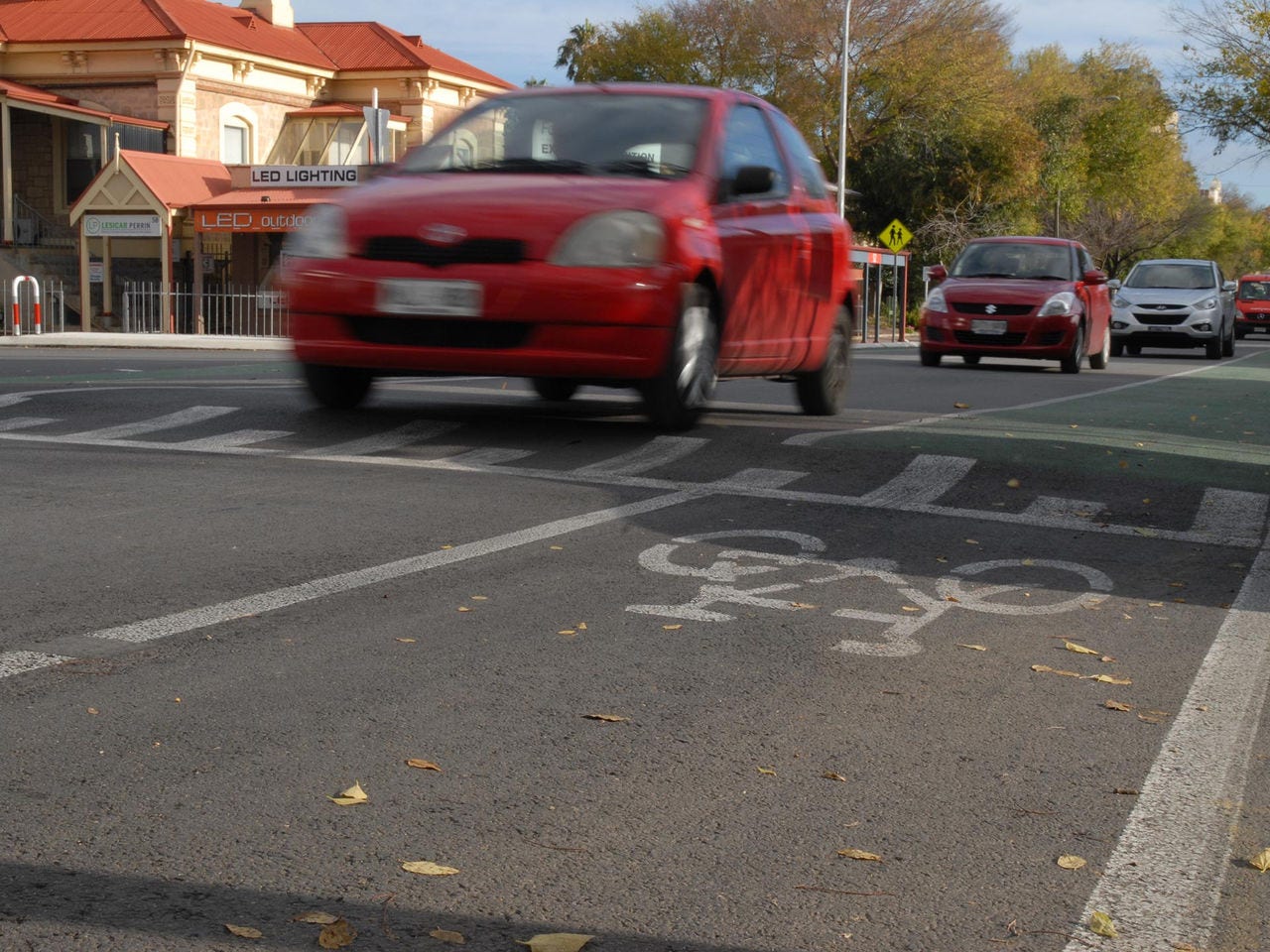
  • suitable treatments for specific road-user groups, including pedestrians, cyclists, motorcyclists and heavy vehicles
  • intelligent ‘smart city’ transport systems.

Our findings regularly translate to significant real-world outcomes. For example, they have been incorporated into several guidance documents published by the national roads organisation Austroads; informed numerous road safety strategy and action plan documents nationally and internationally; and have been a feature of knowledge transfer and capacity building activity with road engineers and transport system managers.

Our researchers are dedicated to:

  • reducing the number of people injured and killed on the road
  • quantifying the effect of speed on road crashes
  • contributing to a knowledge base on the benefits of speed management
  • understanding speeding behaviour and how to minimise it.

Our work regularly translates to significant real-world outcomes. For example, CASR’s quantifications of speed and crash risk have been used as part-justification for lowering speed limits around Australia, which has saved hundreds of lives and countless road crash injuries. CASR’s work has also influenced the current National Road Safety Strategy.

CASR’s methods of monitoring vehicle speeds and evaluating interventions aimed at lowering speeds have also been widely implemented.

Our expertise in vehicle safety has contributed significantly to improving Australian-sold vehicles’ pedestrian protection, and highlighting the safety potential of systems such as:

  • autonomous emergency braking
  • electronic stability control
  • intelligent speed adaptation.

Our researchers are committed to reducing injury crashes and advancing the long-term vision of zero fatalities and serious injuries on our roads. Through a collaborative approach, we develop a comprehensive understanding of crash causation by collecting, analysing, and interpreting unique, real-world data, including:

  • In-depth crash investigation conducted at the scene
  • Event Data Recorder (EDR) downloads from crashed vehicles
  • Serious-injury hospital data for all types of road users (linked to police reports, forensic data, alcohol and drugs, and licensing data)
  • Coroner’s case reports for fatal crashes
  • Video footage of real on-road crashes
  • Video footage of everyday driving activity (Australian Naturalistic Driving Study).

Our findings have made a significant contribution to improving road safety in Australia and internationally, informing both system-wide strategies and targeted interventions. Some examples include:

  • Research into roadside safety, using in-depth crash investigation data, showed that roadside and centre barriers were more effective in preventing crashes than clear zones. This has led to changes in state and national engineering guidelines.
  • In-depth crash investigation data has been used to predict the safety benefit of new vehicle technologies, such as autonomous emergency braking and cooperative intelligent transport systems, by modelling the impact of technologies on real-world crashes. This has helped governments, third-party insurers, and consumer information services to confidently promote these technologies.
  • Analysis of medical data related to people admitted to hospital following a crash discovered chronic medical conditions and medical events are significant factors in crashes. This study has influenced fitness to drive assessment on an international level.
  • New research highlighted the under-recognised role of mental health in both crash risk and post-crash outcomes, showing that impacts extend beyond physical injury to include significant psychological effects – even when no injuries occur. The findings point to a critical need for strengthened post-crash mental health initiatives to support recovery and improve road safety outcomes.
  • In-depth crash investigation data revealed that almost a third of fatal and injury crashes involved driver inattention of which 14% involved distraction. Notably, the research provided rare insight into the prevalence of different distraction types, including the often-overlooked role of cognitive distraction.
  • Analysis of CASR’s unique Electronic Data Recorder (EDR) database, one of the largest of its kind worldwide, has provided robust, objective evidence of vehicle speeds and braking behaviour during crash events, offering some of the most reliable insights into real-world speeding. This data has also enabled examination of seat belt use, strengthening the evidence base to inform targeted road safety interventions and policy.
  • Investigations into fatal and serious-injury quad-bike incidents have been used to support a push for changes to quad-bike safety legislation in Australia.

Associate Professor Jeremy Woolley

Director, Centre for Automotive Safety Research
Email: jeremy.woolley@adelaide.edu.au

Associate Professor Jeremy Woolley

Our team

  • Deputy Director: Associate Professor Matthew Baldock
  • CASR Business Manager: Leonie Witter
  • Vehicle Testing Laboratory Manager: Andrew van den Berg 
  • Manager In-depth Crash Investigation: Dr James Thompson

CASR has a long-standing relationship with the State Government, undertaking an annual research program for the Department for Infrastructure and Transport (DIT) and the CTP Insurance Regulator. Our staff work closely with the State Government to ensure that our research provides the evidence they need to guide road safety policy and practice.

CASR also provides road safety research services to a variety of other clients. These include the Commonwealth, the various state and territory governments, local government, and Austroads, which represents the conglomeration of all transport departments across Australia and New Zealand. CASR also undertakes research for insurance groups, motoring clubs, industry (e.g., mining companies), and for the Lifetime Support Authority, who provide long term care for people seriously injured in road crashes.

Through our impact laboratory, CASR provides vehicle testing services for the Australasian New Car Assessment Program and provides testing services directly for vehicle manufacturers, assisting them with improving the safety of their vehicles.

Recent past partners and collaborators include:

  • ACT Government
  • Adelaide City Council
  • Australasian New Car Assessment Program (ANCAP)
  • Austroads
  • Centre for Accident Research and Road Safety Queensland (CARRS-Q)
  • City of Onkaparinga
  • Department for Infrastructure and Transport (SA)
  • Department of Infrastructure, Transport, Regional Development, Communications, Sport and the Arts (Federal)
  • Department of Transport and Main Roads (QLD)
  • Department of Transport and Planning (formerly VicRoads)
  • Main Roads Western Australia
  • Monash University Accident Research Centre (MUARC)
  • Motor Accidents Insurance Board
  • NRMA
  • Office of Road Safety
  • RAA
  • RACV
  • SA Police
  • Transport Accident Commission (TAC)
  • Transport and Road Safety (TARS) Research Group
  • Transport for New South Wales.
3D lane markings for road safety

3D lane markings for road safety

Road safety management training in South Asian countries

Road safety management training in South Asian countries

corner arrow

Rider safety on curves

cycle

E-Scooter crash investigation

Contact us

Centre for Automotive Safety Research

To enquire about contract research, consulting services or crash and vehicle testing, please contact us using the details below.

All initial queries should be directed to CASR Business Manager Leonie Witter, via email leonie.witter@adelaide.edu.au or phone: +61 8 8313 5997.

Location

Location
Centre for Automotive Safety Research
Adelaide University
Ground Floor Engineering Annex, Gate 5, Frome Road, City Campus, Adelaide SA 5000

Telephone

Phone: +61 8 8313 5997
Fax: +61 8 8232 4995

Email

Email: leonie.witter@adelaide.edu.au

CASR Laboratory

We conduct all vehicle testing in our purpose-built CASR Laboratory. The lab can be contacted at:

Location

Location
57 King William Street
Kent Town SA 5067

Telephone

Phone: +61 8 8363 0555
Fax: +61 8 8363 0444