

Why Graduate Diploma in Medical Sonography (Cardiac)?
Imagine holding the power to transform lives with every heartbeat you monitor. As heart disease remains a leading global challenge, skilled cardiac specialists are crucial in assisting with the diagnosis and follow up of heart conditions.
Step into a world where your skills directly impact lives and shape the future of heart health. Harness state-of-the-art technology to reveal crucial details about cardiovascular health.
Capture vital images that help cardiologists make critical decisions. This degree is more than a career, it’s your chance to enhance cardiac care and offer hope where it's needed most.

Overview
In just two years of part-time, online study, you can complete a Graduate Diploma in Medical Sonography (Cardiac) at Adelaide University. This qualification equips you with advanced clinical skills in cardiac imaging and recognition of common heart conditions.
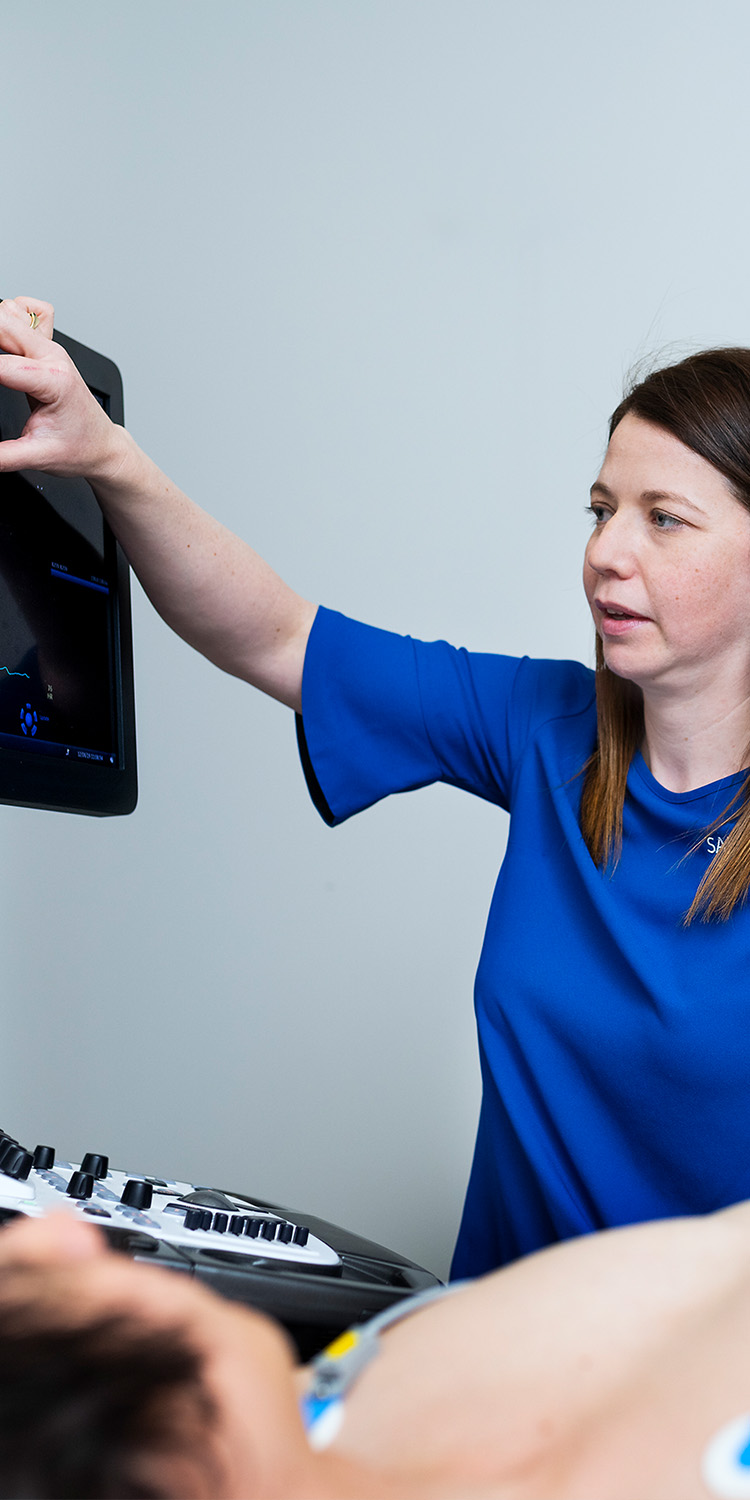
Study anatomy, embryology, physiology and pathology related to the heart. The program blends theory with practical experience, requiring at least 2,000 supervised cardiac scans.
You'll develop critical thinking and diagnostic skills, allowing you to make significant contributions to patient care in cardiac sonography.
Career opportunities include roles in public and private hospitals, research institutions, and cardiac clinics, where you'll play a crucial part in diagnosing and treating heart diseases.
Key features
 Study a program developed in collaboration with leading cardiac sonography experts to meet current industry demands.
 - Gain hands-on experience with 2,000 supervised ultrasound cases.
- Master clinical, analytical, and critical thinking skills to excel as a cardiac sonographer.
- Enjoy the flexibility of online learning with dedicated support staff.
- Deepen your understanding of cardiac health, including pressure estimation and congenital heart disease.
- Graduate ready to apply theory and critical reasoning to assist in making accurate, life-saving diagnoses.
What you'll learn
When you study the Graduate Diploma in Medical Sonography (Cardiac) you'll gain both theoretical knowledge and hands-on skills.
This part-time, online program covers key topics in ultrasound technology and cardiovascular health. This flexible format allows you to balance studies with work.
Learn from top researchers and expert sonographers through interactive online forums and virtual classrooms. Gain valuable insights and create connections that will boost your career.
You’ll complete courses like ultrasound physics and instrumentation, cardiovascular anatomy and embryology, and cardiovascular physiology and pathology. These courses lay the foundation for understanding the heart and blood vessels.
In your second year, you'll explore topics like advanced cardiac haemodynamics and clinical applications of echocardiography.
Learn advanced techniques to assess cardiac pressures and congenital heart disease. Study advanced cardiac pathology, furthering your ability to respond to evolving healthcare needs.
Complete at least 2,000 supervised cardiac scans, to gain essential clinical experience. This hands-on experience is crucial for developing real-world skills and building important industry contacts. The program also includes a cardiovascular sonography portfolio to showcase your practical skills.
Assessment methods include a range of tasks designed to develop knowledge, clinical skills, critical thinking, and analytical skills.
Graduate ready to apply your expertise, make confident diagnoses, and tackle the challenges of healthcare both in Australia and across the globe.

Degree Structure: Graduate Diploma in Medical Sonography (Cardiac)
Program code: GDMSC
Complete 48 units comprising:
- 12 units for Core courses, and
- 36 units for Work integrated learning
Study plan
A study plan sets out the courses you will need to complete and the recommended timing for each one. This will help to guide your enrolment in each study period, alongside any additional information provided below. If you have received a personalised plan or alternative advice from your Program Director, please refer to that guidance in the first instance, or seek help from your Program Director or Student Assist if you are unsure.
Enrolment information
Find details about the rules and notes that apply to your program, along with other essential information required for successful enrolment. Supplementary supporting resources may also be provided where applicable.
Courses
Listed here are all the courses that contribute to your program, including elective options that can be chosen. These courses come together to form your study plan. Courses fall into different categories, each of which have specific unit values that need to be met under the program rules.
What courses you'll study
Complete 48 units comprising:
- 12 units for Core courses, and
- 36 units for Work integrated learning
Complete 12 units comprising:
- 12 units for all Program core
| Course name | Course code | Units | |
|---|---|---|---|

|
Course name
Professional Issues for Sonographers
|
Course code
RADI5006
|
Units
6
|
|
|
Course name
Ultrasound Physics and Instrumentation
|
Course code
RADI5007
|
Units
6
|
Work Integrated Learning description
WIL courses give you real‑world experience as part of your degree.
Complete 36 units comprising:
- 36 units for all Work integrated learning
Work Integrated Learning description
WIL courses give you real‑world experience as part of your degree.
| Course name | Course code | Units | |
|---|---|---|---|
|
|
Course name
Advanced Cardiac Pathology
|
Course code
RADI5009
|
Units
6
|
|
|
Course name
Cardiovascular Sonography Portfolio
|
Course code
RADI5011
|
Units
6
|
|
|
Course name
Clinical Applications of Echocardiography
|
Course code
RADI5013
|
Units
6
|
|
|
Course name
Cardiovascular Anatomy and Embryology
|
Course code
RADI5026
|
Units
6
|
|
|
Course name
Cardiovascular Physiology and Pathology
|
Course code
RADI5029
|
Units
6
|
|
|
Course name
Advanced Cardiac Haemodynamics
|
Course code
RADI6024
|
Units
6
|

Career outcomes
After completing your Graduate Diploma in Medical Sonography (Cardiac), you could work as a cardiac sonographer in a hospital. Using advanced ultrasound technology, you’d evaluate heart function and provide critical data for patient care.
You might also work in cardiology clinics or labs, performing detailed scans, guiding patients through procedures, and collaborating with cardiologists to develop care plans. Or you could teach future sonographers in educational settings like a university.
Other possible career opportunities include:
- Cardiac imaging centres
- Research institutions
- Rural and remote health services
- Government health agencies focusing on cardiovascular care.
Industry trends
Heart disease is a leading health issue in Australia. It remains the number one cause of death globally, accounting for about 31% of all deaths worldwide (National Library of Medicine).
As our population ages and cardiovascular issues become more common, the demand for skilled cardiac sonographers has never been greater. The global cardiovascular ultrasound market is predicted to expand at a compound annual growth rate (CAGR) of 5.41% from 2024 to 2030 (Grand View Research).
The field is also rapidly evolving, offering exciting opportunities for those who embrace new technologies. With advancements in AI, imaging techniques, and robotics, there is a growing demand for skilled professionals ready to adapt and excel.
Be at the forefront of these innovations, equipped to lead in a dynamic and future-focused field.
Accreditation
This program is accredited by the Australian Sonographer Accreditation Registry (ASAR). Graduates are eligible to apply to ASAR to become a registered Medical Sonographer under the category of Cardiac Sonographer.
Ready to apply?


Your study experience and support
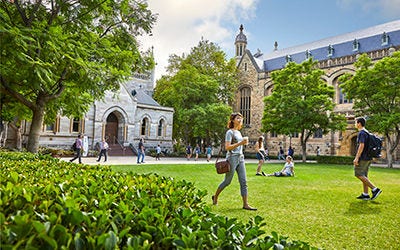
Adelaide University sets you up for success in your studies – and your social life. You’ll have access to work placement and internship opportunities, overseas study tours and exchanges, networking events with guest speakers and more. Our campuses are equipped with purpose-built facilities including lecture theatres, libraries, workshops, laboratories, and spaces that simulate real work environments. These are all supported by the latest technologies and a 24/7 online learning platform with personalised study information and resources.
You’ll have everything you need to live well and thrive during your studies, with health services on campus, gymnasiums, technology zones and modern student lounges. Get involved in campus sport or join our student clubs that will connect you to your passions – and the people who share them.
Adelaide also has a variety of accommodation options to suit your individual requirements and budget, with options ranging from dedicated student accommodation to private rentals. One of the world’s most liveable cities, Adelaide has lots of leafy parks, gardens and social hubs – and some of the highest living standards globally. No matter where you are in Adelaide, you’re only a short distance from beaches, vineyards, museums, art galleries, restaurants, bars and parklands. Visit the accommodation web page to find out more.
Student services
We’re here to support you on your student journey. Adelaide University offers a range of support services and facilities, including:
- Career advice and mentoring services
- Personal counselling
- LGBTQIA+ support
- Academic support
- Fees and finance help
- Security services
- Accommodation services
- Common rooms
- Prayer rooms.
You’ll also have unlimited access to our dedicated student support hub. Visit in-person or online, or contact our friendly team by phone. We can assist you with anything study-related including enrolment, identification cards, timetables, fees and more.

Your program team

Your campus
You'll be studying at one of our renowned campuses, accessing cutting-edge facilities and contemporary study spaces.
Study hours
Your courses will require a combination of different learning formats, including lectures, tutorials, workshops, seminars and practicals. Aside from your classes, you’ll also need to allocate additional time for independent study. This may include assignments, readings, projects and contributing to online discussion forums. As a rough guide, full-time studies may require 12-26 hours of class time and 14-18 hours of independent study per week.
Assessment
During your studies at Adelaide University, you’ll complete a mixture of practical, professional and research-based learning. Your assessment types will vary depending on the degree you’re studying, but may include:
- Case studies
- Essays and assignments
- Examinations
- Group projects
- Internships and placements
- Practicals
- Presentations
- Reports and project documentations
- Research projects
- Workplace and classroom contributions.