Health and wellbeing promotion

Mental Health Awareness Month

Stronger together – October 2026

Mental Health Awareness Month

Mental health isn't something you have to do alone

Need help now?

University Crisis Support Line

Free for all students weekdays 5:00pm–9:00am and 24 hours on weekends and public holidays.

In an emergency

Call Triple Zero (000) if you or someone else isn't safe. On campus, contact security. Mental Health Triage is available 24/7.

Each October, Mental Health Awareness Month is a national reminder to check in with yourself and each other. This year our theme is stronger together, because connection and belonging are among the strongest protections for our mental health.

Each October, Mental Health Awareness Month is a national reminder to check in with yourself and each other. This year's theme is stronger together, because connection and belonging are among the strongest protections for your mental health.

That might be a message to a friend, a morning tea on campus, a club that shares your interests, or a session with a counsellor. Explore this page to find something that works for you. 

Stronger when we connect online

Trusted organisations, with things worth reading, watching and listening to. 

Beyond Blue

24/7 support for anxiety, depression and if you're having a really bad day. 

ReachOut

A safe place to chat anonymously during tough times. 

MindSpot

Free, confidential psychological assessments and treatments, and access to qualified therapists

Smiling Mind

A free mindfulness and mental fitness app. Short guided practices for stress, focus and sleep.

Silver Linings Playbook

2012, 122m, bipolar disorder, PTSD

The Perks of Being a Wallflower

2012, 103m, nxiety, depression and belonging

A Beautiful Mind

2001, 135m, schizophrenia

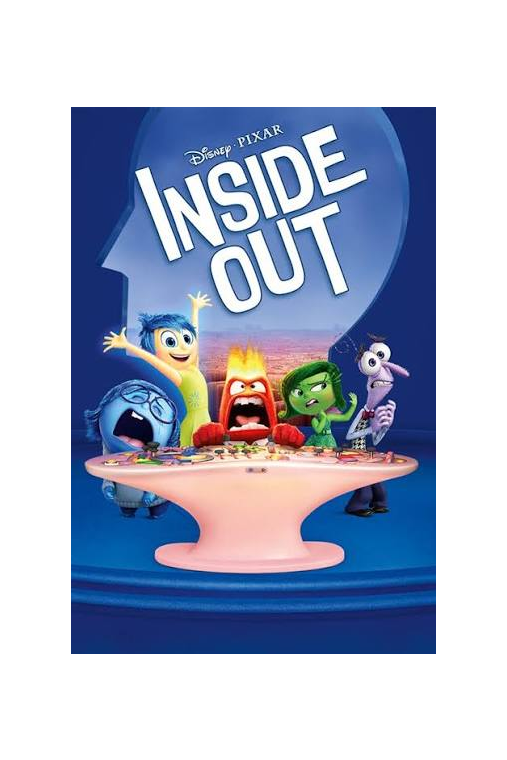
Inside Out

2015, 95m, emotional regulation

Content note: some of these films deal with suicide, self-harm, abuse and psychosis. You'll find them on the usual streaming services.
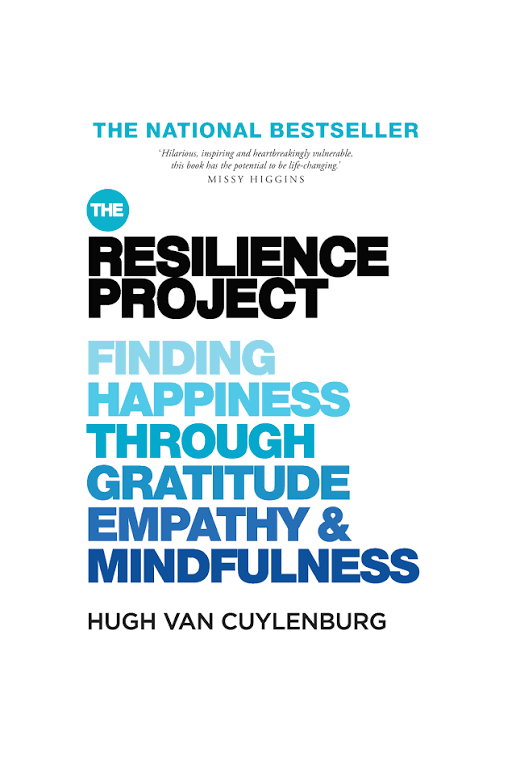
The Resilience Project
Hugh van Cuylenburg 

How to build mental health and happiness using three simple daily practices

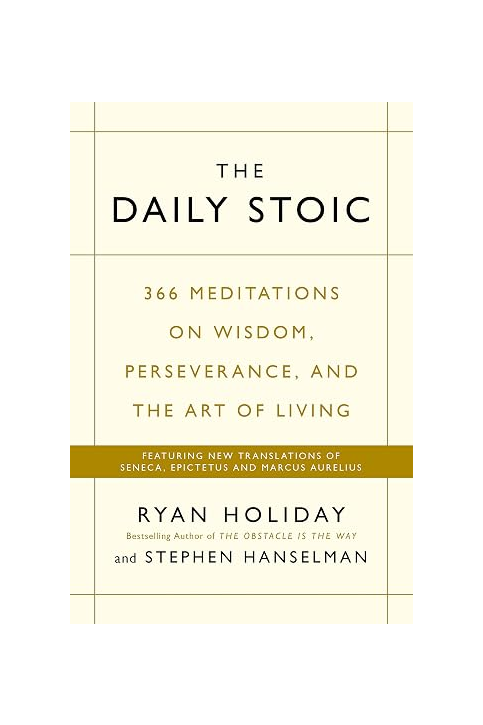
The Daily Stoic
Ryan Holiday

Ancient Stoic philosophy teachings applied to modern life.

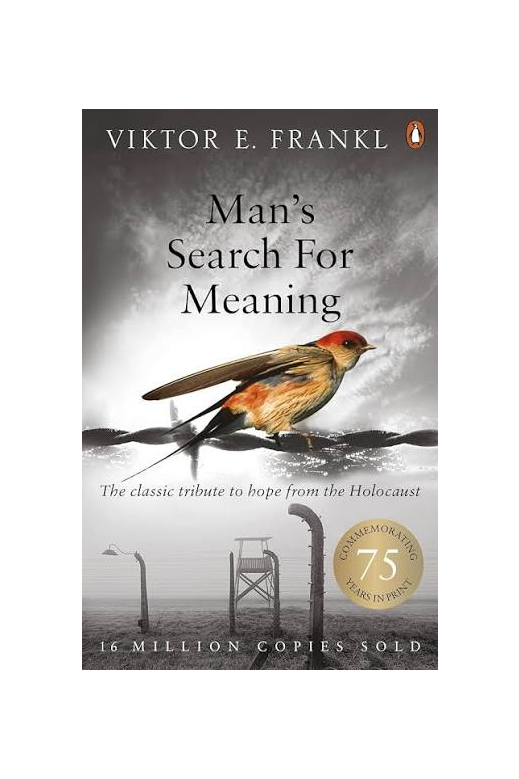
Man's Search for Meaning
Viktor Frankl 

The classic on surviving Nazi concentration camps and finding purpose in suffering. 

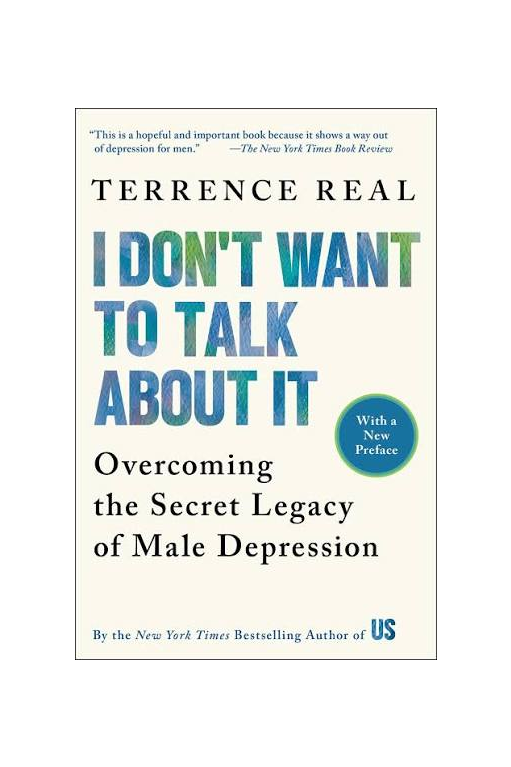
I Don't Want to Talk About It
Terrence Real

How men mask depression and ways to heal it. 

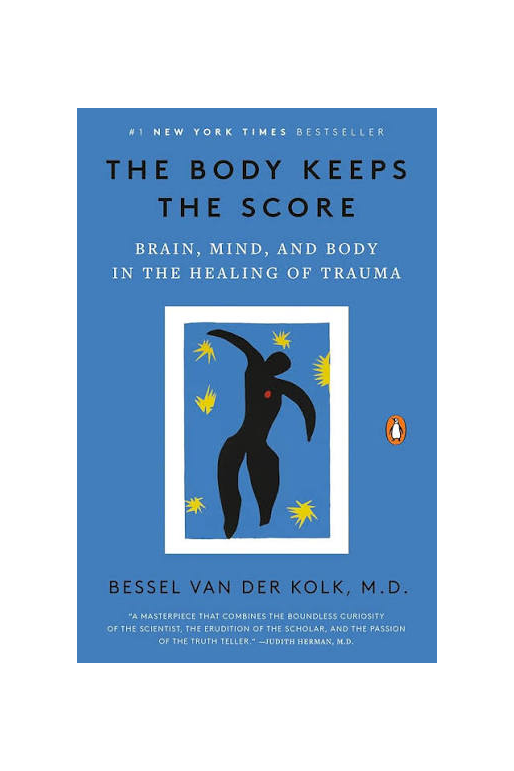
The Body Keeps the Score
Bessel van der Kolk

How trauma lives in the body and therapies to help your nervous system. 

All except I Don't Want to Talk About It are available from Adelaide City Libraries.

Coming soon. 

Stronger when we connect in person

What's on this October, groups worth joining, and places to relax when you need a break.


Date

Event name

TBC am–TBC pm - Free webinar presented by TBC  

TBC

Date

Event name

TBC am–TBC pm - Free webinar presented by TBC  

TBC

Date

Event name

TBC am–TBC pm - Free webinar presented by TBC  

TBC

Join a club or society

From academic and cultural clubs to hobby and social groups, there’s something for everyone.

Peer support and mentoring

Support another student and develop your skills. 

Shape wellbeing

The Student Wellbeing Advisory Group (SWAG) works with us on the programs you see here. 

Student hubs

A quiet place to study, work with others and get support on-campus and off-campus.

Prayer and reflection rooms

Multi-faith spaces are across our campuses.

Move and get outside

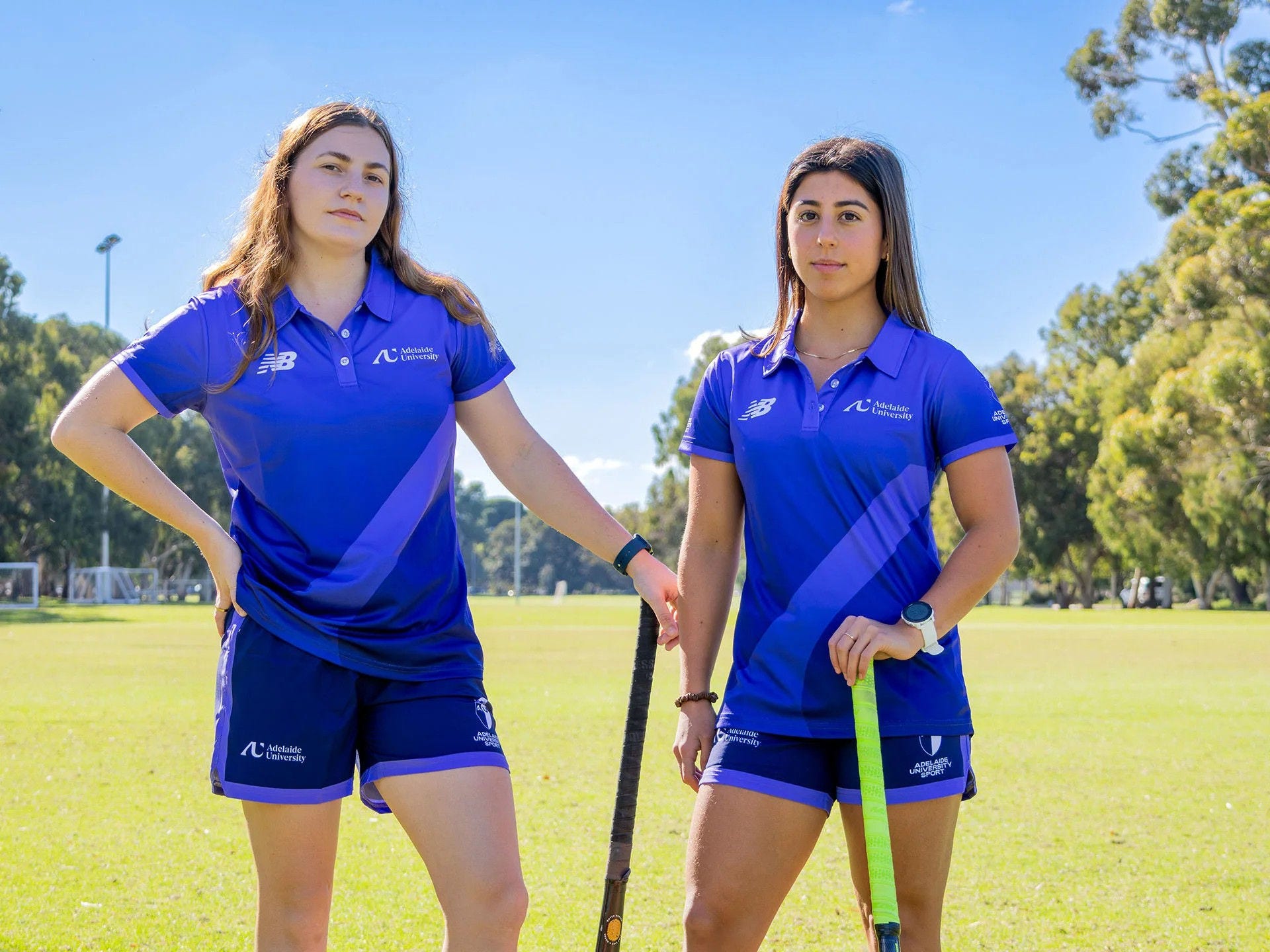
40+ sports clubs and three on-campus gyms.

An hour at your lunchtime saves up to three lives. Tell the staff you're part of the Adelaide University community and they'll add your donation to our team.

You'll get a health check at the start of every session, hot food and delicious snacks, and an iron deficiency check every 10 donations.

Not sure it's for you? Find your reason.

Stronger when we connect to support

Pick the question that fits you right now. All our services are free and confidential.


More University services

AU health clinics – GPs at City West, City East, Magill and Whyalla

Access and Inclusion – access plans and adjustments

AUSA Student Care - independent information, advocacy, support and referrals

If something has happened

Respect at AU – report or get support for concerning behaviour

Specialist Support Counsellors – sexual harm and gender-based violence

Serious incident on campus – contact Security, 24/7

1800RESPECT – 1800 737 732, 24 hours

Yarrow Place – 1800 817 421

If you'd rather talk to someone outside the University: Lifeline 13 11 14, 24 hours. Kids Helpline (up to 25) 1800 55 1800, 24 hours. QLife, LGBTIQ+ peer support, 1800 184 527, 3:00pm–midnight. Our own crisis and emergency numbers are in the Need help now panel at the top of this page.

You don't need a diagnosis or a crisis to book counselling – most students come with study stress, sleep, relationships, homesickness or feeling flat. Start with a counselling appointment or start a free online course..

Ask them directly and listen without fixing it. You can walk with them to Student Assist, or call the Student Wellbeing and Safety team on 1300 877 903 for advice about someone else. Free Mental Health First Aid training will give you the words for next time. If they're not safe, call Triple Zero (000).

Counselling is free for you too, and using it has no effect on your visa or your enrolment. International Student Support can help with money, housing, family at home and finding students from your region.

Our First Nations student services offer a safe, private and comfortable space to yarn, with dedicated staff and access to culturally safe counselling. 13YARN (13 92 76) is a free 24-hour line staffed by Aboriginal and Torres Strait Islander crisis supporters.

Counselling is available to you by phone or online, and a counsellor visits both campuses during the month. Book through the online booking form and note your campus.

Every counselling appointment can be held online or by phone. If you're outside Australia, tell us when you book so we can talk about the right options for where you are.

Appointments are 50 minutes. The first one is a chance to talk about what's going on and agree what would help – you set the pace. Your personal information and attendance details are not shared outside the team without your consent, except in the rare circumstances set out on the Student wellbeing and safety page. Nothing goes on your academic record.

Student artwork competition

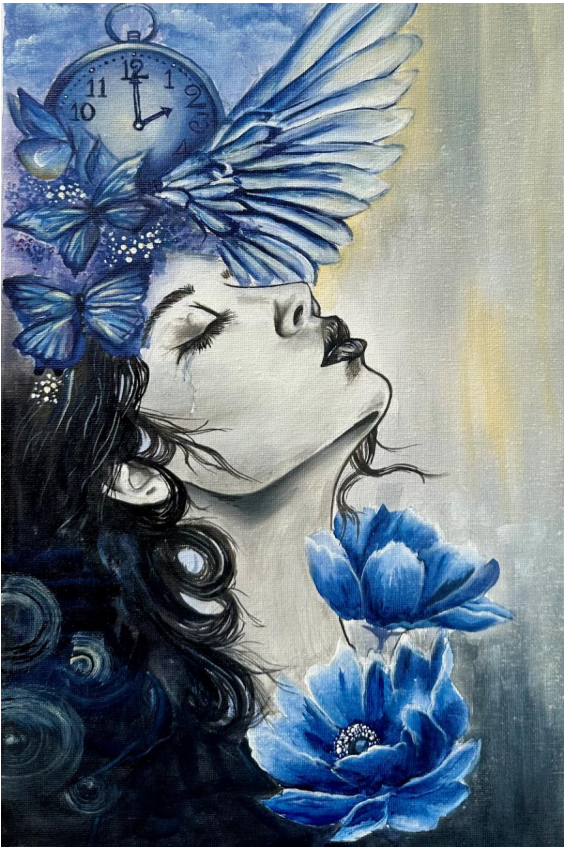
These works were created for a previous Mental Health Awareness Month art competition. Students were asked what mental health looks and feels like to them. Explore these selected pieces with the artist's own words.
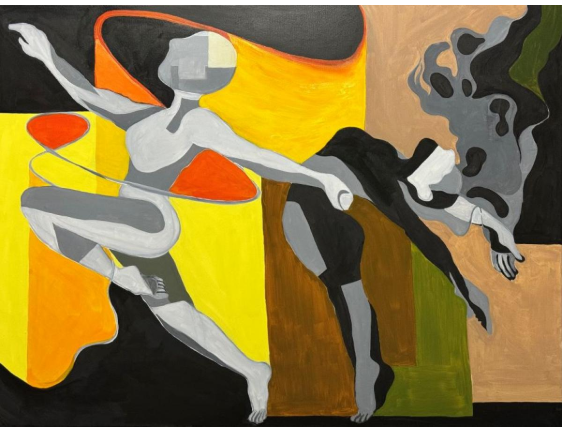
From Darkness To Light

Rubayat Sarwar

“I've faced moments of hurt, sadness, and depression, often lasting a long time. While dark times are inevitable, they're not permanent. By taking action, seeking help, and finding joy in small things, we can move toward the light.”

Feeling Blues

 Sanjila Manandhar

"The serene figure conceals an international student's silent battles – adapting to a new place, juggling part-time work and study, homesickness and loneliness – all captured in the single tear. Blue wings symbolise growth and freedom. Butterflies represent fragile emotions and transformative progress. A clock marks the passage between life phases. The blooming flower conveys resilience and the ability to thrive despite adversity. The blue palette reflects how tranquillity and struggle coexist in mental health."

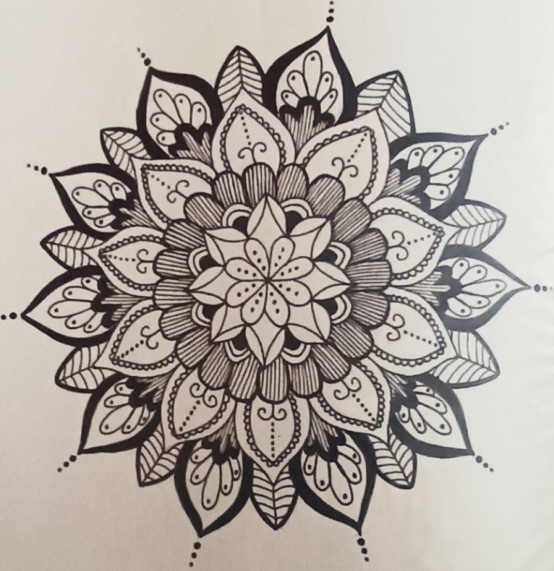
Mandala

Araju Nepal

“I usually draw mandalas when I'm stressed and have a blocked mind. The intricate patterns and repetitive details require my full concentration, pulling me away from my worries and immersing me in the creative process. My stress reduces, and I can think more clearly.”

Step At A Time

Elaheh Ghaemi Mahdavi

“I hate running - I get sweaty, hot and out of breath. But I loved it as a kid, when all that was just a part of life. Resilience comes from not expecting it to be easy. All the barriers, dead-ends, tears and heartbreaks are part of life. All it takes is to keep on running, one step at a time.”

Tell us

Something missing from this page?

We update this page every year with your feedback. Tell us what to add, or what didn't help.