

Why Bachelor of Teaching (Early Childhood Education)?
Early childhood education goes far beyond nursery rhymes, picture books and learning the alphabet. It’s about giving young children the language, confidence, social skills and behaviours to set them up for a lifelong journey of discovery. And the research is clear – quality early childhood education has a positive effect on learning and development throughout the school years (Australian Institute of Health and Welfare).
With our Bachelor of Teaching (Early Childhood Education), you’ll become a resourceful and engaging teacher, ready to inspire the next generation. You’ll learn effective modern teaching techniques, understand childhood development, and discover how to create safe and inclusive classrooms. Graduate classroom-ready, having completed 640 hours of placements in early childhood settings, starting from first year.

Overview
Guide young minds at the very start of their educational journey as an inspiring early childhood teacher.
Adelaide University’s Bachelor of Teaching (Early Childhood Education) is a future-focused program designed to give you the skills to excel in the modern classroom. You’ll discover how childhood development influences how kids grow and learn. Explore a range of education philosophies and teaching approaches to find your own unique teaching style. Learn how to encourage learning through engaging play-based activities. Create safe, inclusive and culturally responsive spaces that support every child’s learning.
With 80 days of professional placements, you’ll gain practical skills and graduate eligible to work as a teacher in early childhood and care sites, including long day care centres and preschools.
Adelaide University is ranked #89 in the world for Education Studies (Times Higher Education, 2026). You can also choose to study this program at our regional campuses in Mount Gambier and Whyalla.
Key features
 Focus on the learning and development of children from birth to 5 years.
- Learn play-based approaches and concepts to teach early literacy and maths skills.
- Build practical skills in 640 hours of placement, starting from first year.
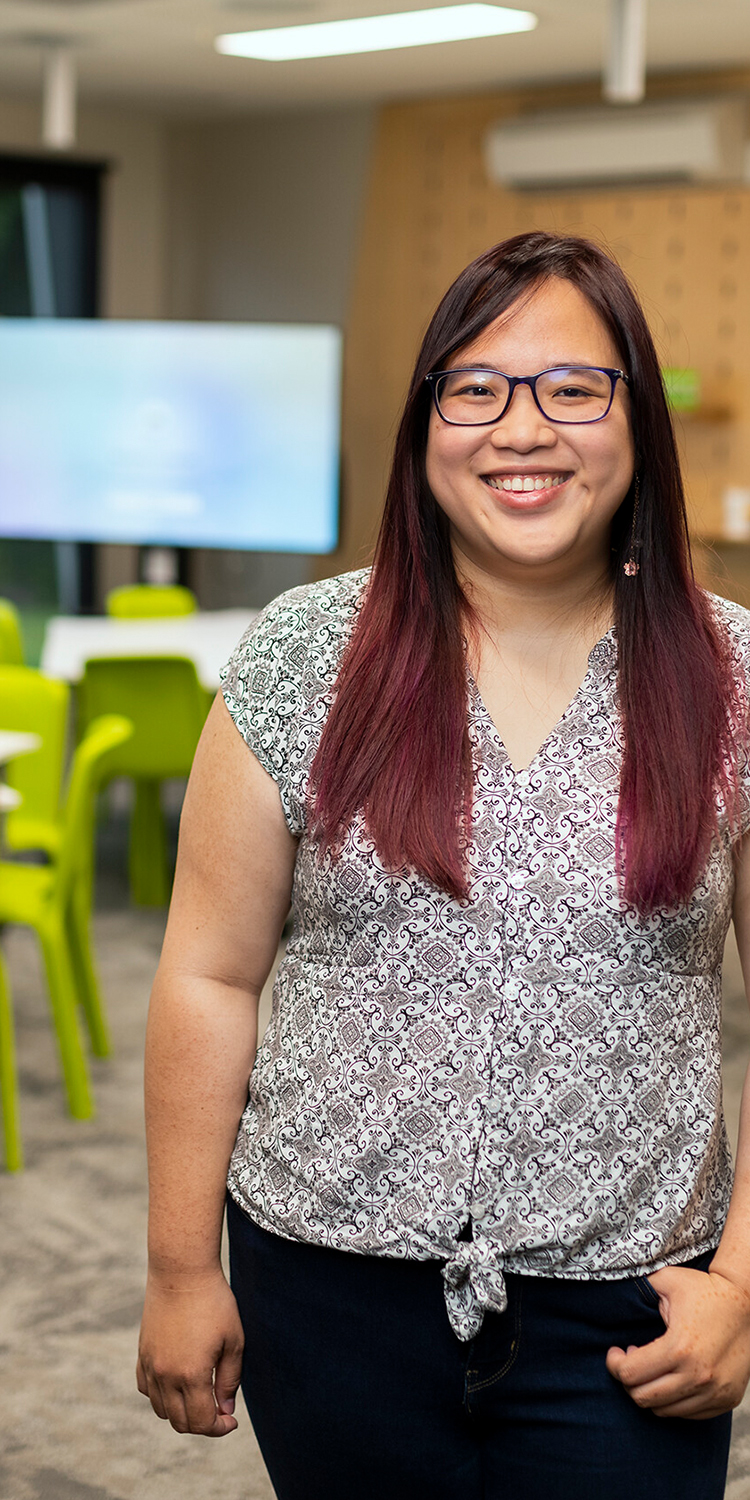
- Access contemporary purpose-built learning spaces.
- Develop culturally responsive and inclusive teaching practices.
- Be eligible for registration with the Teachers Registration Board of South Australia (TRB) upon graduation.
What you'll learn
The Bachelor of Teaching (Early Childhood Education) prepares you to become a nurturing and effective early years educator, ready to provide exceptional teaching experiences to children from birth to 5 years.
Over the three-year program, you’ll build skills that go beyond traditional teaching – ensuring you’re adaptable to the evolving demands of modern education. You’ll gain a comprehensive understanding of childhood growth and development. Develop leadership and advocacy skills, learning to support children and families in diverse and challenging circumstances. Explore the histories and philosophies of early education, investigating both contemporary and alternative approaches. Learn effective methods for teaching and promoting early literacy and numeracy.
In your first year, you’ll learn to plan, implement and document play-based learning activities. Explore how language works, how it develops and how children use it. In the second half of the year, you’ll complete your first 20 days of professional work placement in a real-world setting.
Your second year focuses on teaching early literacy, engaging young learners, and establishing social harmony and respect in the classroom. Learn to create inclusive classrooms that support children of all abilities and backgrounds and explore First Nations perspectives to inform culturally responsive teaching. You’ll also discover how to nurture children’s creative expression through music, dance, drama and visual arts. This year includes a 30-day preschool placement to expand and consolidate your skills.
In your final year, you’ll develop strategies for teaching reading and mathematical concepts. Learn how to teach science, technology, languages and humanities in ways that help children understand and engage with their world. After completing your coursework, you’ll undertake another flexible 35-day placement working with children from birth to 5 years of age.
Please note, a Working With Children Check (police check) is required for all students to undertake placements and to graduate.
Majors
The Bachelor of Teaching is also available with majors in the following:
- Primary
- Secondary.

Degree Structure: Bachelor of Teaching (Early Childhood Education)
Program code: BTECE
Complete 144 units comprising:
- 114 units for all Core courses, and
- 18 units for all Work integrated learning, and
- 12 units for Electives
Study plan
A study plan sets out the courses you will need to complete and the recommended timing for each one. This will help to guide your enrolment in each study period, alongside any additional information provided below. If you have received a personalised plan or alternative advice from your Program Director, please refer to that guidance in the first instance, or seek help from your Program Director or Student Assist if you are unsure.
Enrolment information
Find details about the rules and notes that apply to your program, along with other essential information required for successful enrolment. Supplementary supporting resources may also be provided where applicable.
Courses
Listed here are all the courses that contribute to your program, including elective options that can be chosen. These courses come together to form your study plan. Courses fall into different categories, each of which have specific unit values that need to be met under the program rules.
What courses you'll study
Complete 144 units comprising:
- 114 units for all Core courses, and
- 18 units for all Work integrated learning, and
- 12 units for Electives
Complete 114 units for ALL of the following:
| Course name | Course code | Units | |
|---|---|---|---|

|
Course name
Languages Education and First Nations Knowledges
|
Course code
EDUC1018
|
Units
6
|
|
|
Course name
Inclusive Education in Early Childhood
|
Course code
EDUC2106
|
Units
6
|
|
|
Course name
Engaging with Text through Play
|
Course code
EDUC2111
|
Units
6
|
|
|
Course name
Exploring Mathematics through Play
|
Course code
EDUC3001
|
Units
6
|
|
|
Course name
Science and Technologies for Young Children
|
Course code
EDUC3002
|
Units
6
|
|
|
Course name
Place, Space and Identity in Early Childhood
|
Course code
EDUC3057
|
Units
6
|
|
|
Course name
Social and Emotional Learning in Early Childhood
|
Course code
EDUC3067
|
Units
6
|
|
|
Course name
Leadership and Advocacy in Early Childhood
|
Course code
EDUC3035
|
Units
6
|
|
|
Course name
Critical Reflection and Practice in Early Childhood Education
|
Course code
EDUC2119
|
Units
6
|
|
|
Course name
Learning about Language in Early Childhood
|
Course code
EDUC1126
|
Units
6
|
|
|
Course name
Curriculum through Play
|
Course code
EDUC1001
|
Units
6
|
|
|
Course name
Foundations of Early Childhood
|
Course code
EDUC1007
|
Units
6
|
|
|
Course name
Arts Education in Early Childhood
|
Course code
EDUC2120
|
Units
6
|
|
|
Course name
Early Numeracy
|
Course code
EDUC1004
|
Units
6
|
|
|
Course name
Understanding Complexities Impacting Families and Communities in Early Childhood
|
Course code
EDUC1120
|
Units
6
|
|
|
Course name
Children's Growth and Development
|
Course code
EDUC1002
|
Units
6
|
|
|
Course name
Learning about Literacy in Early Childhood
|
Course code
EDUC2118
|
Units
6
|
|
|
Course name
Theorised Practice in Early Childhood
|
Course code
EDUC3004
|
Units
6
|
|
|
Course name
Health, Safety and Wellbeing of Young Children
|
Course code
EDUC2121
|
Units
6
|
Work Integrated Learning description
WIL courses give you real‑world experience as part of your degree.
Complete 18 units for ALL of the following:
| Course name | Course code | Units | |
|---|---|---|---|
|
|
Course name
Professional Experience 1: Early Childhood Infant and Toddler
|
Course code
EDUC1900
|
Units
6
|
|
|
Course name
Professional Experience 2: Early Childhood Preschool
|
Course code
EDUC2900
|
Units
6
|
|
|
Course name
Professional Experience 3: Early Childhood Preschool
|
Course code
EDUC3904
|
Units
6
|
Electives description
A flexible course choice within your degree.
Complete 12 units comprising:
- 12 units from Program electives
| Course name | Course code | Units | |
|---|---|---|---|
|
|
Course name
Dance and Music, Social Dreaming
|
Course code
EDUC2005
|
Units
6
|
|
|
Course name
Developing Number Sense
|
Course code
EDUC2011
|
Units
6
|
|
|
Course name
Arts Across the Early Childhood Curriculum
|
Course code
EDUC4016
|
Units
6
|
|
|
Course name
Artificial Intelligence in Education and Training
|
Course code
EDUC5118
|
Units
6
|
|
|
Course name
Learners in a Digital Age: Innovative Practices
|
Course code
EDUC5119
|
Units
6
|
|
|
Course name
Islamic Education: Principles and Praxis
|
Course code
EDUCX104
|
Units
6
|
|
|
Course name
Catholic Scriptures: An Introduction
|
Course code
EDUCX203
|
Units
6
|
|
|
Course name
Catholic Theology: An Introduction
|
Course code
EDUCX204
|
Units
6
|
|
|
Course name
Teaching in Rural and Regional Locations
|
Course code
EDUCX309
|
Units
6
|
|
|
Course name
Teaching Learners with Disabilities
|
Course code
EDUCX310
|
Units
6
|
|
|
Course name
Science of People, Society and the Future Planet
|
Course code
SCIE1001
|
Units
6
|
|
|
Course name
Geographical Studies
|
Course code
EDUC1012
|
Units
6
|
|
|
Course name
Becoming an Educator with an Arts Specialisation
|
Course code
EDUC2004
|
Units
6
|
|
|
Course name
Design and Production 1
|
Course code
EDUC2029
|
Units
6
|
|
|
Course name
Food Technology 1
|
Course code
EDUC1017
|
Units
6
|
|
|
Course name
Teaching Linguistically Diverse Learners
|
Course code
EDUC2036
|
Units
6
|
|
|
Course name
Teaching and Learning Languages
|
Course code
EDUC2039
|
Units
6
|
|
|
Course name
Historical Studies
|
Course code
EDUC2048
|
Units
6
|
|
|
Course name
Theories of Learning in Early Years
|
Course code
EDUC2108
|
Units
6
|

Career outcomes
You will graduate with a qualification recognised by the Australian Children’s Education & Care Quality Authority (ACECQA) and the Teachers Registration Board of South Australia. This means you’ll be able to register and work as a teacher in early childhood and care sites, including long day care centres and preschools. You’ll even be able to start working in early childhood settings from the end of your second year, while completing your studies.
Industry trends
In 2023, the Royal Commission into Early Childhood Education and Care released its Final Report into early childhood development in South Australia. The report details an ambitious vision to position South Australia as a nation leader on early childhood development by:
- Reducing the number of children starting school with developmental challenges
- Offering up to 30 hours of preschool per week for 3 and 4-year-olds who need the most development support
- Constantly translating new scientific knowledge into action
- Leading the national policy conversation on the early years.
Our Bachelor of Teaching (Early Childhood Education) has been formulated with these recommendations in mind, designed to prepare you for the future needs and requirements of the industry.
Accreditation
This program is accredited by The Australian Children’s Education & Care Quality Authority (ACECQA). The program is an approved early childhood qualification for Early Childhood Teachers under the National Quality Framework.
Ready to apply?


Your study experience and support
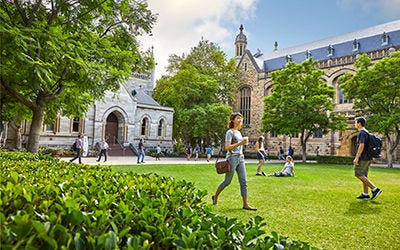
Adelaide University sets you up for success in your studies – and your social life. You’ll have access to work placement and internship opportunities, overseas study tours and exchanges, networking events with guest speakers and more. Our campuses are equipped with purpose-built facilities including lecture theatres, libraries, workshops, laboratories, and spaces that simulate real work environments. These are all supported by the latest technologies and a 24/7 online learning platform with personalised study information and resources.
You’ll have everything you need to live well and thrive during your studies, with health services on campus, gymnasiums, technology zones and modern student lounges. Get involved in campus sport or join our student clubs that will connect you to your passions – and the people who share them.
Adelaide also has a variety of accommodation options to suit your individual requirements and budget, with options ranging from dedicated student accommodation to private rentals. One of the world’s most liveable cities, Adelaide has lots of leafy parks, gardens and social hubs – and some of the highest living standards globally. No matter where you are in Adelaide, you’re only a short distance from beaches, vineyards, museums, art galleries, restaurants, bars and parklands. Visit the accommodation web page to find out more.
Student services
We’re here to support you on your student journey. Adelaide University offers a range of support services and facilities, including:
- Career advice and mentoring services
- Personal counselling
- LGBTQIA support
- Academic support
- Fees and finance help
- Security services
- Accommodation services
- Common rooms
- Prayer rooms.
You’ll also have unlimited access to our dedicated student support hub. Visit in-person or online, or contact our friendly team by phone. We can assist you with anything study-related including enrolment, identification cards, timetables, fees and more.

Your campus
You'll be studying at one of our renowned campuses, accessing cutting-edge facilities and contemporary study spaces.
Study hours
Your courses will require a combination of different learning formats, including lectures, tutorials, workshops, seminars and practicals. Aside from your classes, you’ll also need to allocate additional time for independent study. This may include assignments, readings, projects and contributing to online discussion forums. As a rough guide, full-time studies may require 12-26 hours of class time and 14-18 hours of independent study per week.
Assessment
During your studies at Adelaide University, you’ll complete a mixture of practical, professional and research-based learning. Your assessment types will vary depending on the degree you’re studying, but may include:
- Case studies
- Essays and assignments
- Examinations
- Group projects
- Internships and placements
- Practicals
- Presentations
- Reports and project documentations
- Research projects
- Workplace and classroom contributions.