

Why Bachelor of Engineering (Chemical) (Honours)?
Chemical engineers are innovators, problem-solvers and pioneers who drive progress across industries. They design and optimise processes that transform raw materials into essential products, making modern life safer, healthier and more sustainable. From producing life-saving medications and vaccines to ensuring the safety and quality of food, beverages and consumer goods, their expertise touches nearly every aspect of daily life.
Beyond traditional applications, chemical engineers are at the forefront of groundbreaking advancements. They work to decarbonise industries, integrate automation and AI into manufacturing, design personalised healthcare solutions and develop the nanomaterials revolutionising medicine and future technologies. They drive clean energy innovation, creating sustainable fuels, advanced energy storage solutions, and low-carbon technologies to support a greener future. Their work not only powers industries, but shapes a more sustainable and technologically advanced society.

Overview
Discover the formula for a dynamic and interesting career with our Bachelor of Engineering (Chemical) (Honours).
Learn how we can take raw materials from the world around us and determine how we might turn them into products for daily use. Drawing knowledge and skills from engineering, chemistry, maths and project management, you’ll explore the processes that create the products we rely on – from food, medicines and vaccines, to clean drinking water and alternative energy sources.
Electives allow you to dive deeper into the areas that interest you – whether that’s food engineering, pharmaceutical production, wastewater engineering or electrical and electronic systems.
Apply your learning in real industry settings by completing up to 12 weeks of professional placement under the supervision of experienced engineers. Determine how results in the lab can be scaled up for commercial production by undertaking a major plant design and research project.
Emerge with the knowledge, expertise and qualifications necessary to practice as a chemical engineer.
Key features
 Learn how to design, operate and optimise chemical processes to convert raw materials into products or energy.
 - Explore electives in pharmaceutical production, food engineering, metallurgical processes and more.
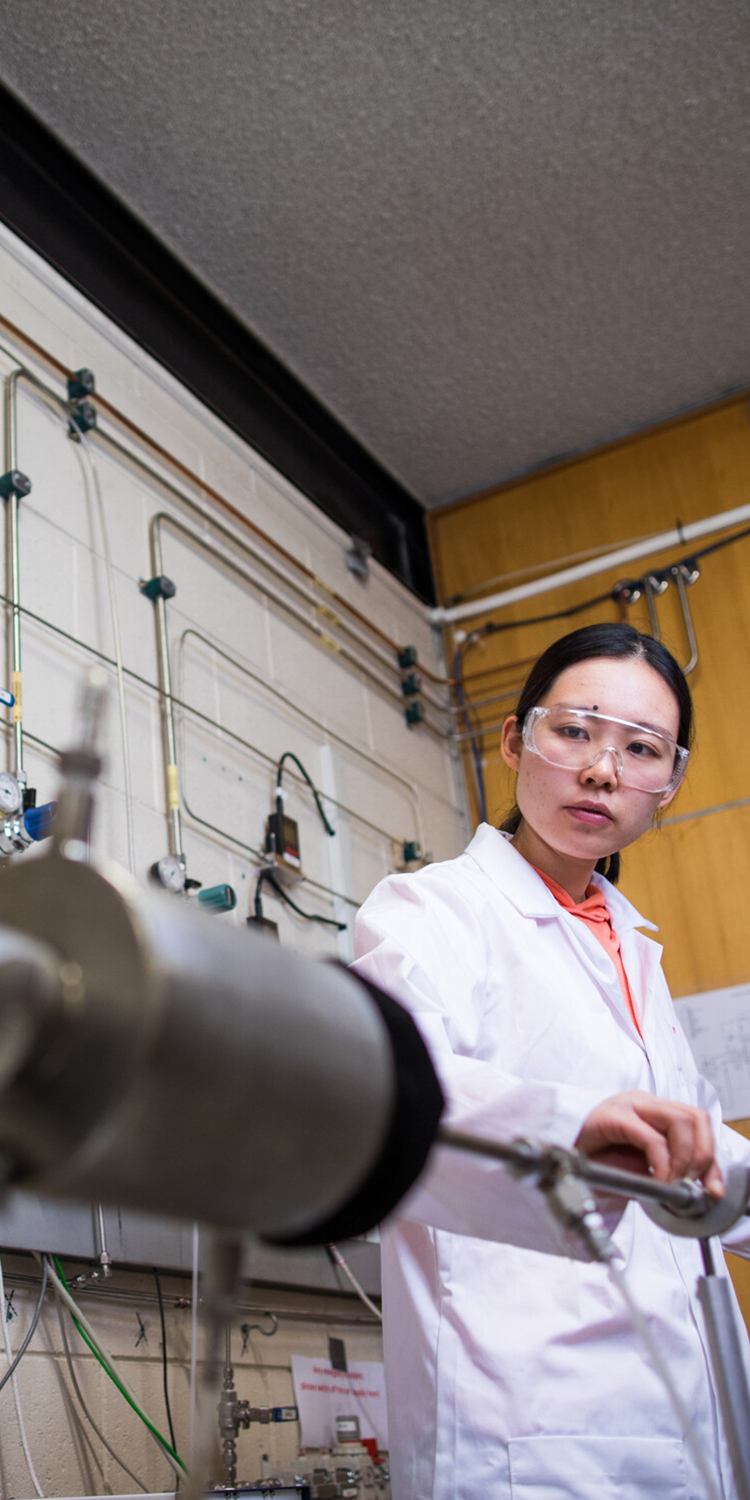
- Hone your technical skillset in our purpose-built laboratories and workshops.
- Complete a major honours research project and plant design project.
- Apply your skills to real industry projects in up to 12 weeks of professional work experience.
What you'll learn
In the Bachelor of Engineering (Chemical) (Honours), you will complete a range of core courses that provide a solid grounding in key chemical engineering concepts, theories, principles and methods.
Your first year has been designed to provide a comprehensive introduction to general engineering principles and skills. This ensures that, whatever your prior educational experiences, you’ll have every opportunity to excel in your engineering studies at Adelaide University.
In second and third year, you’ll take courses covering the fundamentals of chemical engineering. These include:
- Process engineering
- Fluid and particle mechanics
- Plant equipment design
- Reaction engineering
- Separation process engineering
- Process dynamics and control.
Throughout your studies, you’ll have the chance to explore areas of interest through a wide range of electives, in areas like environmental systems and sustainability, food processing, brewery engineering, pharmaceutical production and much more.
In your final years, you will also complete up to 12 weeks of work experience in industry under the supervision of a qualified engineer. Professional practice topics help you hone your professional skillset further, as you work with your peers to engineer a solution to a complex plant design problem. You will also complete a major industry research project.

Degree Structure: Bachelor of Engineering (Chemical) (Honours)
Program code: HENCH
Complete 192 units comprising:
- 150 units for Core courses, and
- 12 units for Core selective, and
- 6 units from Work integrated learning, and
- 0 to 18 units for Discipline courses, and
- 6 to 24 units for Electives
Study plan
A study plan sets out the courses you will need to complete and the recommended timing for each one. This will help to guide your enrolment in each study period, alongside any additional information provided below. If you have received a personalised plan or alternative advice from your Program Director, please refer to that guidance in the first instance, or seek help from your Program Director or Student Assist if you are unsure.
Enrolment information
Find details about the rules and notes that apply to your program, along with other essential information required for successful enrolment. Supplementary supporting resources may also be provided where applicable.
Courses
Listed here are all the courses that contribute to your program, including elective options that can be chosen. These courses come together to form your study plan. Courses fall into different categories, each of which have specific unit values that need to be met under the program rules.
What courses you'll study
Complete 192 units comprising:
- 150 units for Core courses, and
- 12 units for Core selective, and
- 6 units from Work integrated learning, and
- 0 to 18 units for Discipline courses, and
- 6 to 24 units for Electives
Complete 150 units comprising:
- 144 units for all Program core, and
- 6 units from Common core
| Course name | Course code | Units | |
|---|---|---|---|

|
Course name
Engineering Programming
|
Course code
COMP1006
|
Units
6
|
|
|
Course name
Engineering Design and Prototyping
|
Course code
ENGI1001
|
Units
6
|
|
|
Course name
Engineering Materials
|
Course code
ENGI1002
|
Units
6
|
|
|
Course name
Engineering Physics
|
Course code
ENGI1003
|
Units
6
|
|
|
Course name
Engineering Modelling 1
|
Course code
ENGI1004
|
Units
6
|
|
|
Course name
Professional Engineering Practice
|
Course code
ENGI1005
|
Units
6
|
|
|
Course name
Process Engineering
|
Course code
ENGP1000
|
Units
6
|
|
|
Course name
Engineering Mathematics
|
Course code
MATH1016
|
Units
6
|
|
|
Course name
Engineering Modelling 2
|
Course code
ENGI2001
|
Units
6
|
|
|
Course name
Engineering Project Management
|
Course code
ENGI2003
|
Units
6
|
|
|
Course name
Fluid and Particle Mechanics
|
Course code
ENGP2001
|
Units
6
|
|
|
Course name
Heat and Mass Transfer
|
Course code
ENGP2002
|
Units
6
|
|
|
Course name
Process Thermodynamics
|
Course code
ENGP2003
|
Units
6
|
|
|
Course name
Engineering Chemistry
|
Course code
ENGP2004
|
Units
6
|
|
|
Course name
Process Systems Design
|
Course code
ENGP2005
|
Units
6
|
|
|
Course name
Systems Engineering and Professional Practice
|
Course code
ENGI3006
|
Units
6
|
|
|
Course name
Chemical Engineering Laboratory and Data Analysis
|
Course code
ENGP3003
|
Units
6
|
|
|
Course name
Advanced Chemical Engineering
|
Course code
ENGP4000
|
Units
6
|
|
|
Course name
Plant Design Project A
|
Course code
ENGP4001
|
Units
6
|
|
|
Course name
Plant Design Project B
|
Course code
ENGP4002
|
Units
6
|
|
|
Course name
Plant Equipment Design
|
Course code
ENGPX300
|
Units
6
|
|
|
Course name
Process Dynamics and Control
|
Course code
ENGPX301
|
Units
6
|
|
|
Course name
Reaction Engineering
|
Course code
ENGPX302
|
Units
6
|
|
|
Course name
Separation Process Engineering
|
Course code
ENGPX303
|
Units
6
|
Common core description
Common core courses are interdisciplinary courses that build key graduate capabilities.
| Course name | Course code | Units | |
|---|---|---|---|
|
|
Course name
An Ethically Rich Life
|
Course code
COREX001
|
Units
6
|
|
|
Course name
Fact or Fiction: Data for Everyone
|
Course code
COREX002
|
Units
6
|
|
|
Course name
Igniting Change: Ideas to Action
|
Course code
COREX003
|
Units
6
|
|
|
Course name
Transforming Learning through First Nations Knowledges
|
Course code
COREX004
|
Units
6
|
|
|
Course name
Responsible AI: Bridging Ethics, Education and Industry
|
Course code
COREX005
|
Units
6
|
|
|
Course name
Building Belonging: Navigating Cultural Complexities
|
Course code
COREX006
|
Units
6
|
Complete 0 to 18 units comprising:
- 0 to 18 units from Energy Resources Engineering
| Course name | Course code | Units | |
|---|---|---|---|
|
|
Course name
Formation Evaluation, Petrophysics and Rock Properties
|
Course code
ENGIX400
|
Units
6
|
|
|
Course name
Data Analytics for Resources Engineering
|
Course code
ENGPX403
|
Units
6
|
|
|
Course name
Production Engineering
|
Course code
ENGPX409
|
Units
6
|
|
|
Course name
Reservoir Engineering
|
Course code
ENGPX410
|
Units
6
|
|
|
Course name
Reservoir Thermodynamics and Fluid Properties
|
Course code
ENGPX411
|
Units
6
|
Work Integrated Learning description
WIL courses give you real‑world experience as part of your degree.
Complete exactly 6 units from the following:
| Course name | Course code | Units | |
|---|---|---|---|
|
|
Course name
Professional Engineer Career Preparation
|
Course code
ENGI3900
|
Units
6
|
Complete 12 units for either of the following:
- 12 units for all Engineering Research Project, or
- 12 units for all Engineering Internship
| Course name | Course code | Units | |
|---|---|---|---|
|
|
Course name
Engineering Research Project Part A
|
Course code
ENGI4900
|
Units
6
|
|
|
Course name
Engineering Research Project Part B
|
Course code
ENGI4901
|
Units
6
|
| Course name | Course code | Units | |
|---|---|---|---|
|
|
Course name
Engineering Research Project A (Industry-Based)
|
Course code
ENGI4028
|
Units
6
|
|
|
Course name
Engineering Research Project B (Industry-Based)
|
Course code
ENGI4029
|
Units
6
|
Electives description
A flexible course choice within your degree.
Complete 6 to 24 units comprising:
- 0 to 6 units from Level 2 Electives, and
- 6 to 24 units from Level 4 Electives
| Course name | Course code | Units | |
|---|---|---|---|
|
|
Course name
Drilling Engineering and Well Completion
|
Course code
ENGPX405
|
Units
6
|
|
|
Course name
Environmental Systems and Sustainability
|
Course code
ENGV3003
|
Units
6
|
|
|
Course name
Electrical and Electronic Systems
|
Course code
ENGE1000
|
Units
6
|
|
|
Course name
Engineering Geology and Surveying
|
Course code
ENGI1011
|
Units
6
|
|
|
Course name
Introduction to Engineering Mechanics
|
Course code
ENGM1000
|
Units
6
|
|
|
Course name
Food Engineering
|
Course code
ENGP2006
|
Units
6
|
|
|
Course name
Pharmaceutical Production Processes
|
Course code
ENGP2007
|
Units
6
|
| Course name | Course code | Units | |
|---|---|---|---|
|
|
Course name
Formation Evaluation, Petrophysics and Rock Properties
|
Course code
ENGIX400
|
Units
6
|
|
|
Course name
Engineering Experience Internship
|
Course code
ENGI4030
|
Units
6
|
|
|
Course name
Combustion and High Temperature Processes
|
Course code
ENGPX402
|
Units
6
|
|
|
Course name
Metallurgical Processes
|
Course code
ENGPX407
|
Units
6
|
|
|
Course name
Water and Wastewater Engineering
|
Course code
ENGPX414
|
Units
6
|
|
|
Course name
Brewery Engineering
|
Course code
ENGPX400
|
Units
6
|
|
|
Course name
Carbon Capture Utilisation and Storage
|
Course code
ENGPX401
|
Units
6
|
|
|
Course name
Downstream Bioprocessing
|
Course code
ENGPX404
|
Units
6
|
|
|
Course name
Production Engineering
|
Course code
ENGPX409
|
Units
6
|
|
|
Course name
Reservoir Engineering
|
Course code
ENGPX410
|
Units
6
|
|
|
Course name
Reservoir Thermodynamics and Fluid Properties
|
Course code
ENGPX411
|
Units
6
|
|
|
Course name
Upstream Bioprocessing
|
Course code
ENGPX413
|
Units
6
|
|
|
Course name
Food Processing and Safety
|
Course code
ENGPX415
|
Units
6
|
|
|
Course name
Good Manufacturing Practice, Validation and Regulation
|
Course code
ENGPX416
|
Units
6
|

Career outcomes
Chemical engineers design innovative industrial processes to transform raw materials into the products we use every day. This unique expertise makes chemical engineers highly sought-after in a wide range of industry sectors.
You could develop processes that enable production of personalised medicines, tailored to an individual patient’s genetic profile. Maybe you’ll pioneer new and innovative methods for recycling waste materials to create valuable products, reducing our dependence on landfill. Or perhaps you’ll undertake breakthrough work in environmental remediation, utilising nanomaterials to help break down pollutants and toxic substances in air and water.
Whatever your area of interest, career paths are available in a number of sectors including:
- Agriculture and agrochemicals
- Chemical manufacturing
- Consumer products
- Enery resources engineering
- Green energy and fuels
- Food and beverage
- Healthcare and medical devices
- Materials engineering
- Mining and minerals processing
- Petrochemicals
- Pharmaceuticals and biotechnology
- Research and development
- Textiles and fibres
- Water and waste management.
Industry trends
Chemical engineers possess a unique skillset that enables them to solve complex problems and optimise processes – making them highly sought-after by a variety of industries. Additionally, rapid advancements in areas such as nanotechnology and biotechnology, alongside increased interest in sustainability, is also contributing to this demand. Projects focused on eco-friendly manufacturing processes, pollution control technology, biopharmaceuticals and process optimisation all rely on the expertise of chemical engineers to come to fruition.
The World Economic Forum (2023) suggests that as industries continue to rely on digital technologies for innovation and growth, demand for chemical engineers is only expected to increase.
Globally and in Australia, there is an engineering skills shortage – with demand for qualified engineers across all sectors continuing to outstrip supply (Engineers Australia, 2023).
Accreditation
This program is provisionally accredited at the level of professional engineer by Engineers Australia (EA). Full accreditation is assessed following graduation of the first cohort. Subject to full accreditation, graduates will be eligible for Engineers Australia membership and are recognised internationally through the Washington Accord. This program is also accredited by the Institution of Chemical Engineers (IChemE).
Ready to apply?


Please note that a non-refundable application fee of AUD$150 applies for every application submitted to Adelaide University.

Your study experience and support
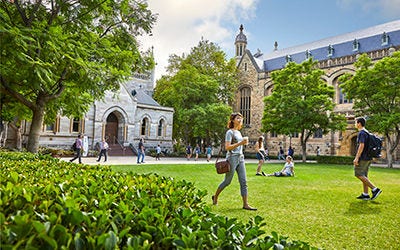
Adelaide University sets you up for success in your studies – and your social life. You’ll have access to work placement and internship opportunities, overseas study tours and exchanges, networking events with guest speakers and more. Our campuses are equipped with purpose-built facilities including lecture theatres, libraries, workshops, laboratories, and spaces that simulate real work environments. These are all supported by the latest technologies and a 24/7 online learning platform with personalised study information and resources.
You’ll have everything you need to live well and thrive during your studies, with health services on campus, gymnasiums, technology zones and modern student lounges. Get involved in campus sport or join our student clubs that will connect you to your passions – and the people who share them.
Adelaide also has a variety of accommodation options to suit your individual requirements and budget, with options ranging from dedicated student accommodation to private rentals. One of the world’s most liveable cities, Adelaide has lots of leafy parks, gardens and social hubs – and some of the highest living standards globally. No matter where you are in Adelaide, you’re only a short distance from beaches, vineyards, museums, art galleries, restaurants, bars and parklands. Visit the accommodation web page to find out more.
Student services
We’re here to support you on your student journey. Adelaide University offers a range of support services and facilities, including:
- Career advice and mentoring services
- Personal counselling
- LGBTQIA+ support
- Academic support
- Fees and finance help
- Security services
- Accommodation services
- Common rooms
- Prayer rooms.
You’ll also have unlimited access to our dedicated student support hub. Visit in-person or online, or contact our friendly team by phone. We can assist you with anything study-related including enrolment, identification cards, timetables, fees and more.

Your program team
APrf Philip van Eyk
Program Director
College of Engineering and Information Technology
School of Chemical Engineering

Your campus
You'll be studying at one of our renowned campuses, accessing cutting-edge facilities and contemporary study spaces.
Study hours
Your courses will require a combination of different learning formats, including lectures, tutorials, workshops, seminars and practicals. Aside from your classes, you’ll also need to allocate additional time for independent study. This may include assignments, readings, projects and contributing to online discussion forums. As a rough guide, full-time studies may require 12-26 hours of class time and 14-18 hours of independent study per week.
Assessment
During your studies at Adelaide University, you’ll complete a mixture of practical, professional and research-based learning. Your assessment types will vary depending on the degree you’re studying, but may include:
- Case studies
- Essays and assignments
- Examinations
- Group projects
- Internships and placements
- Practicals
- Presentations
- Reports and project documentations
- Research projects
- Workplace and classroom contributions.